Listen up, culinary architects. We are moving beyond the amateur realm of soggy, waterlogged fungi and entering the high-stakes world of structural integrity. Most home cooks treat a mushroom like a sponge, but we are going to treat it like a protein-rich vault. The portobello is a structural marvel, a dense network of chitinous cells just waiting to be transformed through thermal engineering. When we initiate a Roasted Portobello Audit, we are looking for more than just flavor; we are looking for the precise moment where moisture loss intersects with concentrated umami. We want a cap that has been stripped of its excess hydration to reveal a texture that rivals a prime cut of beef. This is not a side dish. This is a masterclass in moisture management and heat distribution. Prepare to overhaul your expectations of what a fungus can achieve when subjected to the rigors of professional-grade roasting. We are hunting for that perfect, deep mahogany finish and a bite that offers genuine resistance.
THE DATA MATRIX
| Metric | Specification |
|---|---|
| Prep Time | 15 Minutes |
| Execution Time | 25 Minutes |
| Yield | 4 Substantial Portions |
| Complexity (1-10) | 4 (Precision Dependent) |
| Estimated Cost per Serving | $3.50 USD |
THE GATHERS
Ingredient Protocol:
- 4 Large Portobello Mushroom Caps (approx. 500g / 1.1 lbs)
- 60ml / 4 tbsp Extra Virgin Olive Oil
- 30ml / 2 tbsp Aged Balsamic Vinegar
- 15ml / 1 tbsp Soy Sauce (for liquid umami)
- 3 Large Cloves of Garlic, microplaned (approx. 15g / 0.5 oz)
- 5g / 1 tsp Smoked Paprika
- 2g / 0.5 tsp Freshly Cracked Black Pepper
- 3g / 0.5 tsp Flaky Sea Salt (Maldon preferred)
- 2 Sprigs of Fresh Thyme (stripped)
Section A: Ingredient Quality Audit:
If your caps arrive with a slimy exterior or a limp structure, your audit is compromised before you begin. Slime indicates bacterial degradation; discard them immediately. If the gills are weeping black liquid, the mushroom is past its prime for roasting. To fix slightly dehydrated mushrooms, a quick 30-second submerged shock in ice water can revive cell turgor, but you must dry them aggressively afterward. Use a digital scale to ensure your marinade ratios are exact; guessing leads to a salt-heavy profile that will overwhelm the delicate earthy notes of the fungi. If your balsamic vinegar is too thin and acidic, whisk in a teaspoon of honey to increase the viscous quality, ensuring it clings to the gill structure rather than pooling on the pan.
THE MASTERCLASS
1. The Gills and Stem Deconstruction
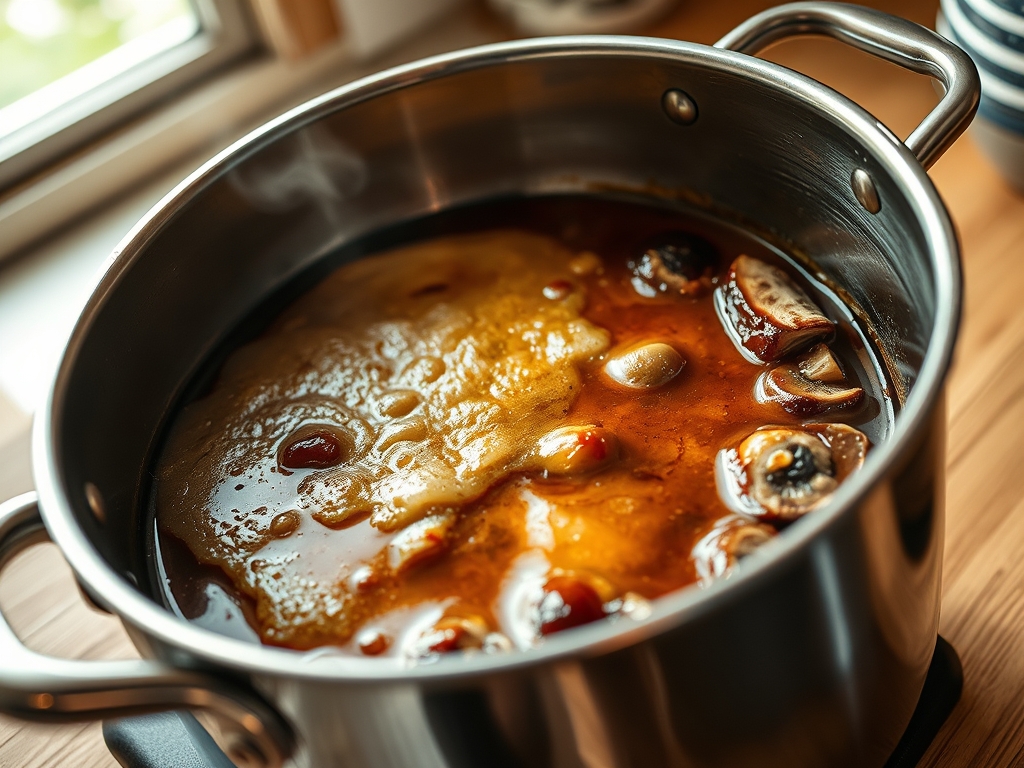
Remove the stems by applying a gentle twisting motion to avoid fracturing the main cap. Use a spoon to gently scrape out the dark gills if you desire a cleaner presentation, though keeping them intact provides more surface area for the marinade to infuse. Place the cleaned caps on a clean workstation and use a bench scraper to clear away any debris.
Pro Tip: The gills contain the highest concentration of spores and moisture. Removing them allows for a more predictable Roasted Portobello Audit because you are eliminating the primary source of "muddiness" in the final texture.
2. The Emulsion Engineering
In a small saucier or mixing bowl, combine the olive oil, balsamic vinegar, soy sauce, and aromatics. Whisk vigorously to aerate the mixture and create a temporary emulsion. This ensures that the fats and acids are evenly distributed across the porous surface of the mushroom.
Pro Tip: Using a saucier with rounded edges allows your whisk to reach every corner, ensuring the smoked paprika doesn't settle at the bottom. A stable emulsion prevents the oil from soaking in too quickly, which can lead to a greasy mouthfeel.
3. Surface Saturation and Loading
Place the caps on a heavy-duty rimmed baking sheet. Using a silicone brush, paint the marinade onto both sides of the caps, focusing heavily on the interior cavity. Let them sit for exactly ten minutes; any longer and the salt will begin to render the internal moisture prematurely, leading to a collapsed structure.
Pro Tip: Always use a heavy-gauge baking sheet. Thin pans warp under high heat, causing the marinade to flow to one side and resulting in uneven caramelization across your batch.
4. Thermal Application
Slide the tray into a preheated oven at 220C / 425F. This high-heat environment is essential to trigger the Maillard reaction before the interior turns to mush. Roast for 20 to 25 minutes, flipping once at the halfway mark to ensure both sides experience direct heat transfer.
Pro Tip: Use an infrared thermometer to verify your oven's true temperature. Most home ovens fluctuate by 15 degrees; precision is the difference between a roasted mushroom and a steamed one.
5. The Rest and Deglaze
Once the caps are firm and the edges are slightly charred, remove them from the heat. Transfer the caps to a warm plate and let them rest for three minutes. If there are concentrated juices on the pan, use a splash of water or wine to deglaze the tray, scraping up the browned bits to pour back over the mushrooms.
Pro Tip: Resting allows the internal juices to redistribute. If you cut into the cap immediately, you lose the viscous internal essence that gives the portobello its meaty reputation.
Section B: Prep & Timing Fault-Lines:
The most common failure in this protocol is overcrowding the pan. If the mushrooms are touching, they will trap steam between them, resulting in a rubbery texture rather than a roasted one. Ensure at least two inches of space between each cap. If your timing is off and the mushrooms finish before your side dishes, do not leave them in the oven. The residual heat will continue to cook the chitin, turning the texture from "meaty" to "slimy" within minutes. Move them to a wire rack to stop the cooking process immediately.
THE VISUAL SPECTRUM
Section C: Thermal & Visual Troubleshooting:
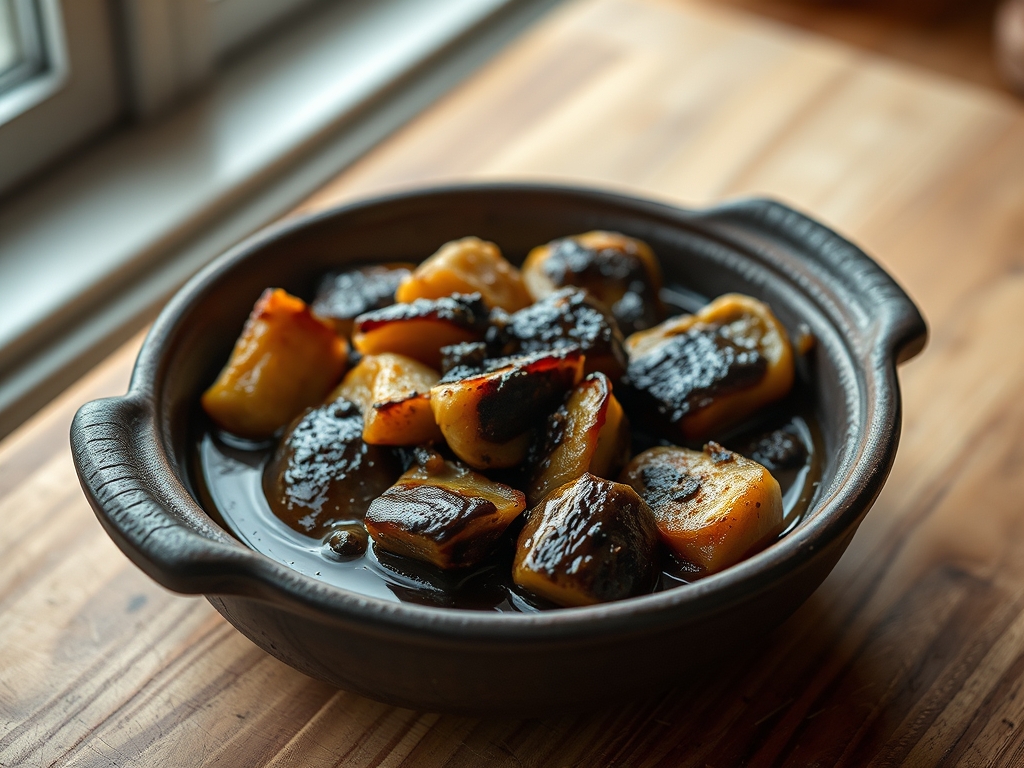
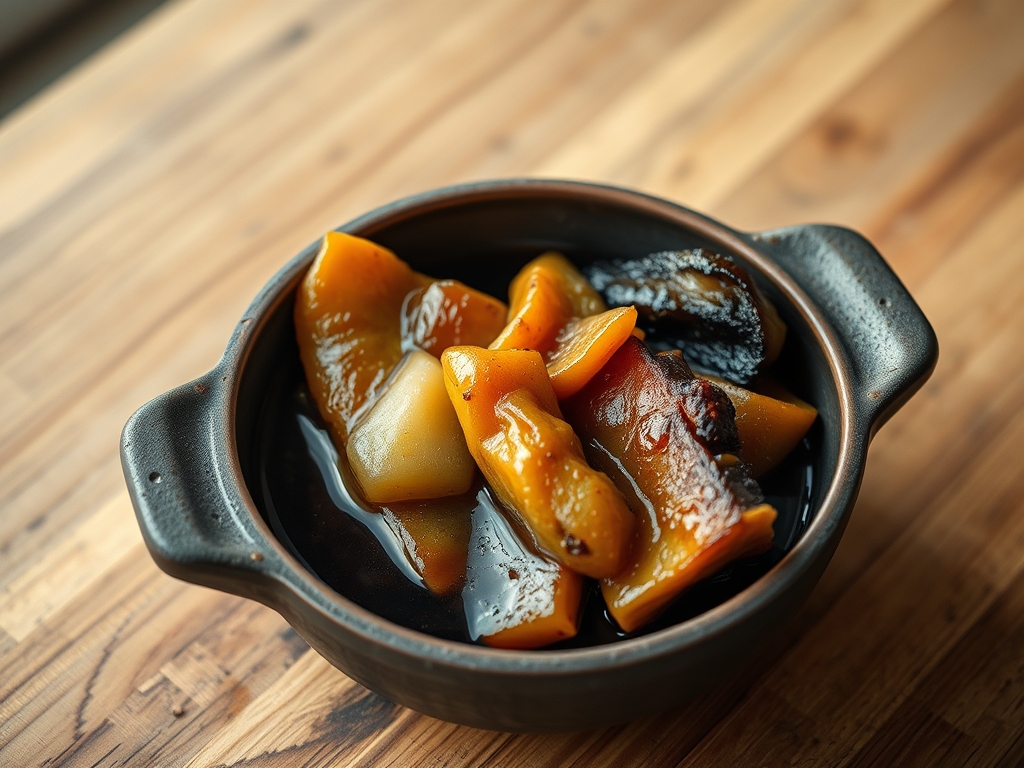
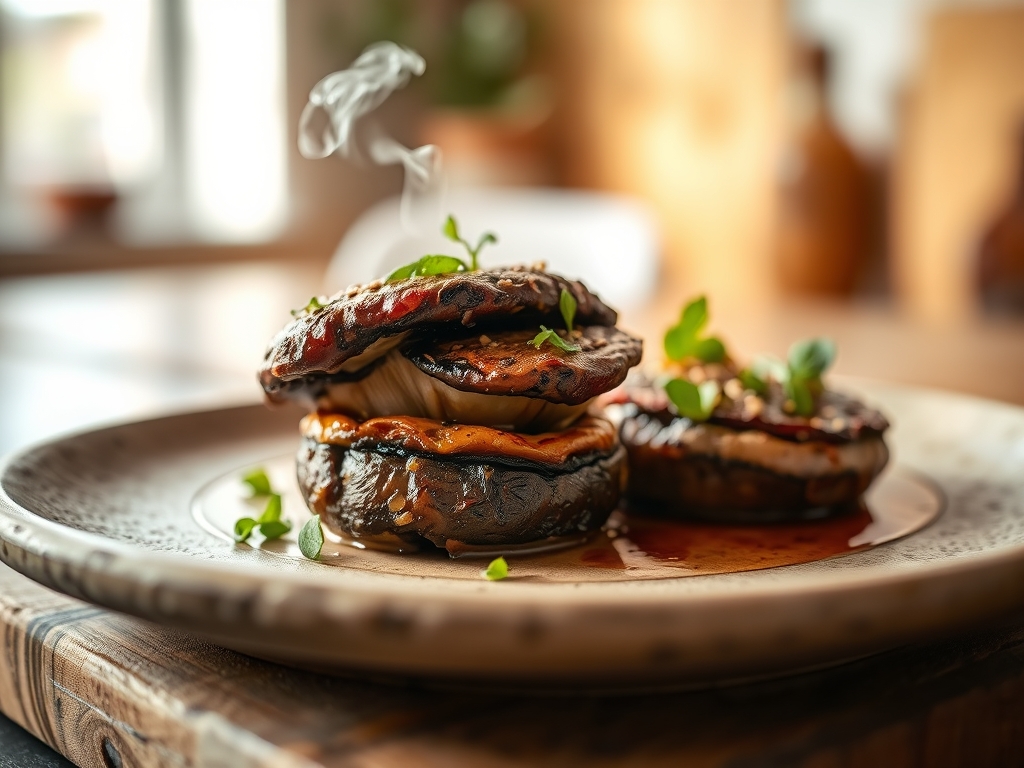
Referencing our audit photo, you should see a variegated surface ranging from deep amber to near-black at the edges. If your mushrooms look pale and grey, your oven temperature was too low or you washed the mushrooms under running water, introducing excess hydration. If the surface looks dry and dusty, you failed to apply enough oil to facilitate heat transfer. The ideal visual cue is a "shimmering" surface where the oil and balsamic have reduced into a lacquer-like coating. If you see pools of black liquid on the tray, the mushrooms were not fresh enough or were salted too early.
THE DEEP DIVE
- Macro Nutrition Profile: Each roasted cap provides approximately 120 calories, 9g of healthy fats, 4g of protein, and 6g of carbohydrates. They are an excellent source of selenium and riboflavin.
- Dietary Swaps: For a Keto-compliant version, swap the balsamic vinegar for red wine vinegar and a drop of liquid stevia. To keep it strictly Vegan, ensure your soy sauce is certified or use coconut aminos.
- Meal Prep & Reheating Science: To maintain molecular structure, do not reheat in a microwave. The rapid agitation of water molecules will turn the mushroom into a rubber disc. Instead, use a dry skillet over medium heat for three minutes per side to re-crisp the exterior.
THE KITCHEN TABLE
Why are my mushrooms always watery?
You likely washed them or crowded the pan. Mushrooms are porous; use a damp cloth to clean them instead of a soak. High heat and ample spacing are the only ways to evaporate internal moisture effectively during the roasting process.
Can I marinate these overnight?
Negative. An overnight soak will compromise the cellular walls, leading to a structural collapse. The salt and acid will break down the chitin too much. A ten to fifteen minute window is the maximum duration for a successful Roasted Portobello Audit.
What is the best way to slice them?
Always slice against the grain of the gills at a slight bias. This creates more surface area for any residual sauce to cling to and provides a more aesthetically pleasing "steak" appearance on the final plating assembly.
Should I use a fan-forced oven setting?
Yes. Convection or fan-forced settings are superior for moisture loss. The moving air strips away the steam boundary layer surrounding the mushroom, accelerating the dehydration of the exterior and leading to a much more concentrated, piquant flavor profile.