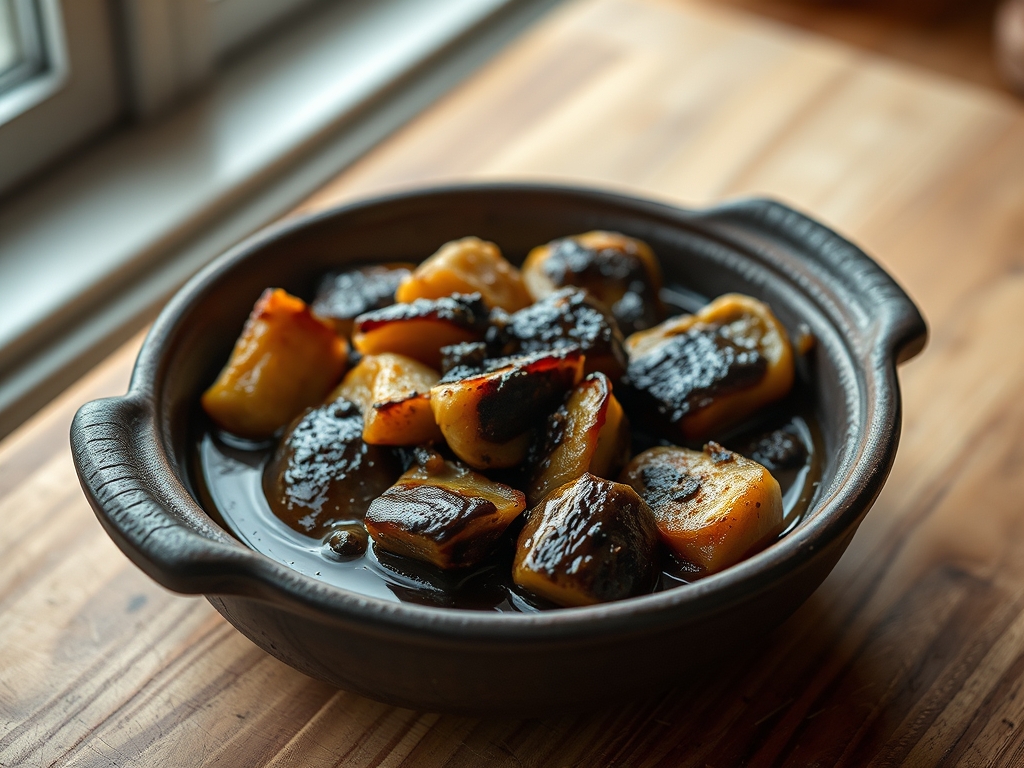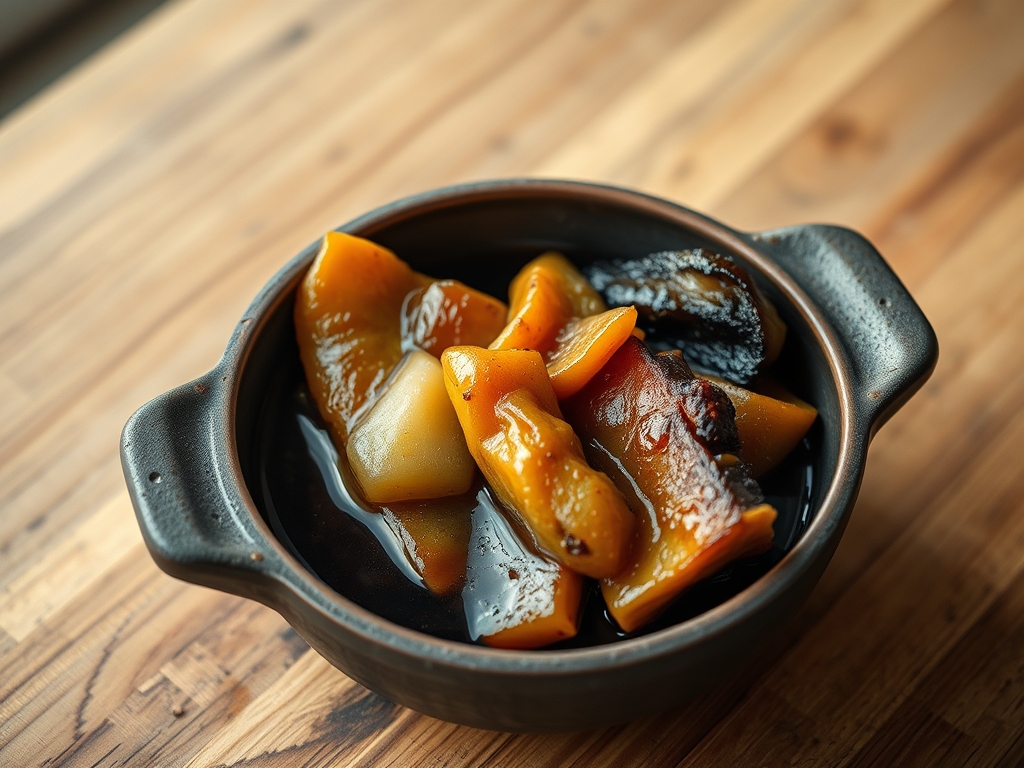
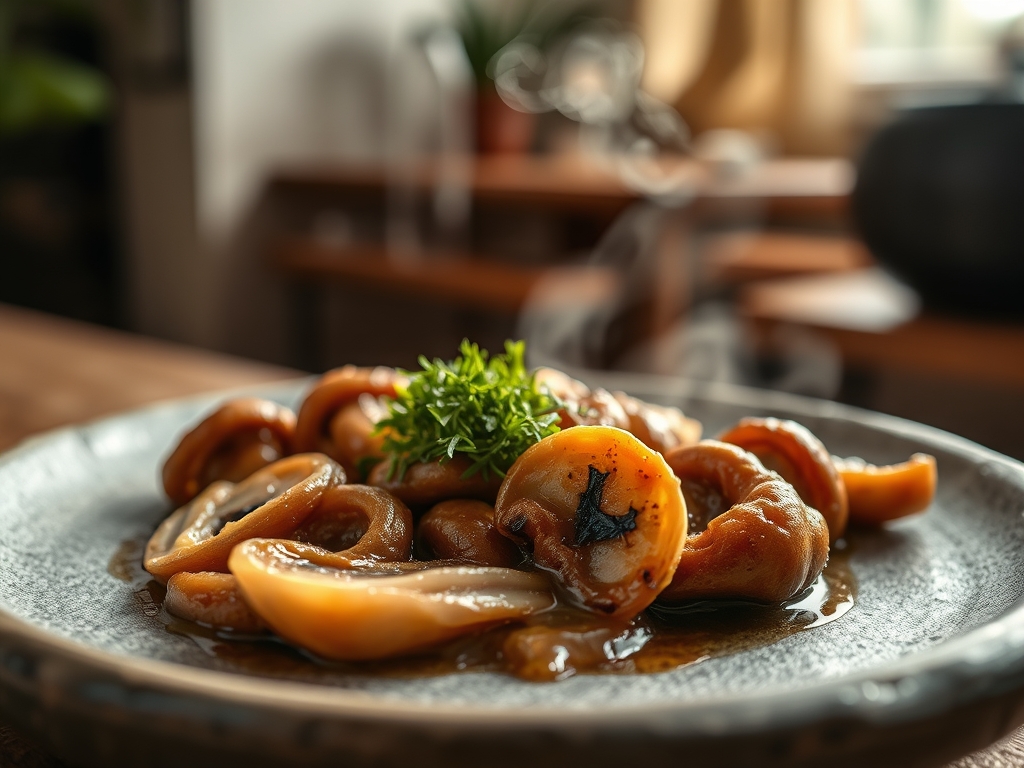
Forget everything you know about watery, translucent vegetable stocks that taste like sad celery and unfulfilled promises. We are entering the realm of the Lentinula edodes, a biological powerhouse capable of producing a liquid gold so rich it rivals the deepest beef consommés. When we discuss Shiitake Broth Density, we are not merely talking about thickness; we are talking about a molecular payload of guanylate and glutamate that coats the palate like velvet. This is culinary infrastructure. It requires a foundational understanding of cellular breakdown and the precise extraction of umami compounds. A proper broth should possess a viscous quality that catches the light, shimmering with suspended particulates of flavor that have been coaxed out through controlled thermal agitation. We are building a high-performance liquid engine here. If your stock looks like tea, you have failed the audit. If it looks like melted mahogany and smells like a forest floor after a thunderstorm, you are finally playing in the big leagues. Strap in; we are about to re-engineer your liquid assets.
THE DATA MATRIX
| Metric | Specification |
|---|---|
| Prep Time | 20 Minutes |
| Execution Time | 90 Minutes |
| Yield | 2 Liters / 8.5 Cups |
| Complexity (1-10) | 4 |
| Estimated Cost per Serving | $0.85 |
THE GATHERS
Ingredient Protocol:
- 500g / 1.1 lbs Fresh Shiitake Mushrooms (Stems removed and reserved)
- 50g / 1.7 oz Dried Shiitake Mushrooms (High-grade)
- 2 Large Yellow Onions (Quartered, skins on for color)
- 300g / 10.5 oz Carrots (Roughly chopped)
- 150g / 5.3 oz Celery Stalks (Including leaves)
- 4 Liters / 17 Cups Filtered Water
- 60ml / 4 tbsp Toasted Sesame Oil
- 30ml / 2 tbsp Tamari or Soy Sauce
- 10g / 0.35 oz Kombu (Dried Kelp)
- 5g / 1 tsp Black Peppercorns (Whole)
Section A: Ingredient Quality Audit:
If your fresh shiitakes feel slimy or have a fishy odor, the enzymatic breakdown has already begun; discard them immediately. Sub-par dried mushrooms often lack the white "flower" patterns on the cap, indicating a lower concentration of flavor. To fix a weak batch of dried mushrooms, flash-toast them in a dry saucier for 60 seconds before adding liquid to wake up the dormant volatile oils. If your onions are pale, your broth will lack the deep amber hue required for high-level Shiitake Broth Density. The fix is simple: leave the skins on during the simmer. The skins contain tannins and natural pigments that provide a structural color profile without adding bitterness.
THE MASTERCLASS
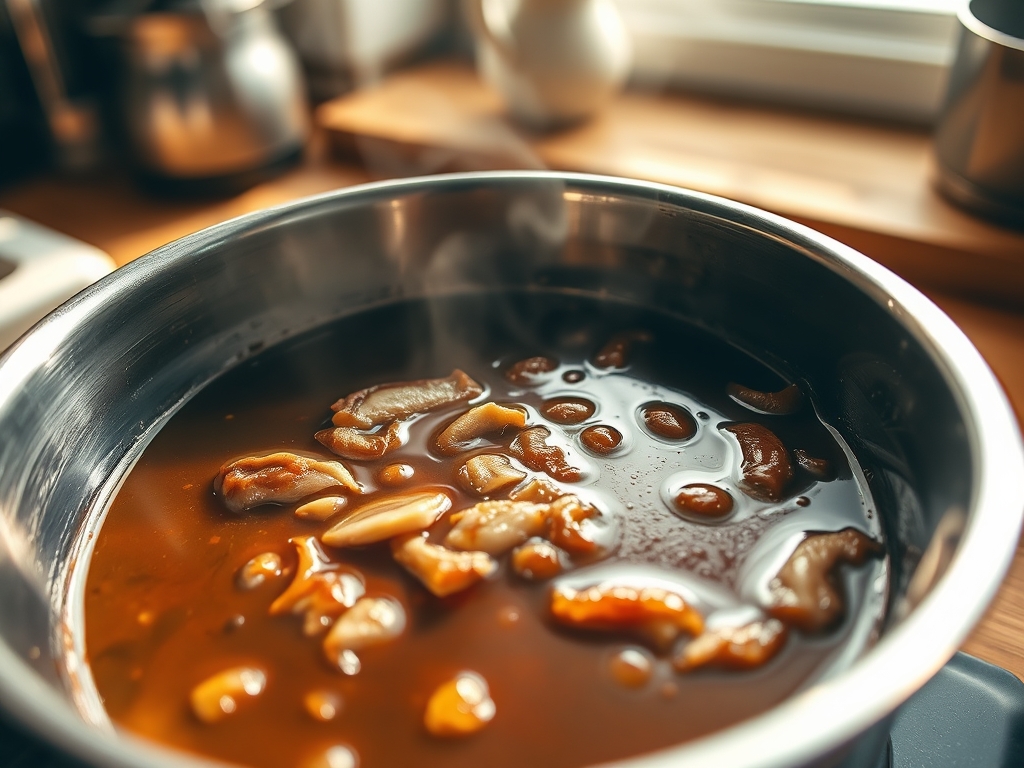
Step 1: The Maillard Initiation
Begin by heating your sesame oil in a heavy-bottomed saucier or stockpot over medium-high heat. Add the fresh shiitake caps and onions. You are looking for a deep, aggressive sear. Do not crowd the pan; work in batches if necessary to ensure the mushrooms render their moisture and begin to brown rather than steam.
Pro Tip: Use a bench scraper to keep the bottom of the pot clean during this phase. The brown bits, or fond, are the architectural blueprints of your flavor profile. The science here is the Maillard reaction, where amino acids and reducing sugars transform into complex flavor compounds.
Step 2: Hydration and Extraction
Add the dried mushrooms and the remaining vegetables to the pot. Pour in your filtered water. Bring the mixture to a boil, then immediately drop the heat to a whisper-quiet simmer. Add the kombu and peppercorns now.
Pro Tip: Never boil your stock aggressively. Excessive agitation emulsifies fats and particulates into the liquid, resulting in a cloudy, muddy mess. A gentle simmer ensures that the Shiitake Broth Density remains clean and the liquid stays crystal clear while extracting maximum solutes. Use a digital scale to weigh your kombu; too much will make the broth slimy due to excess alginate release.
Step 3: The Long Infusion
Allow the broth to reduce by roughly one-third. This typically takes 60 to 75 minutes. During this time, the dried mushrooms will rehydrate and release a concentrated blast of guanylate, which works synergistically with the glutamate in the fresh mushrooms to explode the umami perception on the tongue.
Pro Tip: Use a fine-mesh spider or slotted spoon to skim any gray foam that rises to the surface. This foam consists of denatured proteins that can mute the piquant clarity of your finished product. Monitoring the temperature with an infrared thermometer can help maintain a steady 190 degrees Fahrenheit.
Step 4: Filtration and Polishing
Once the liquid has achieved a deep mahogany color, remove it from the heat. Strain the solids through a chinois or a fine-mesh sieve lined with cheesecloth. Press the mushrooms firmly to extract every drop of concentrated essence.
Pro Tip: For an ultra-refined finish, pass the broth through a coffee filter. This removes the microscopic "dust" from the dried mushrooms, leaving you with a liquid that has incredible viscous mouthfeel and professional-grade clarity. This is where your infrastructure audit concludes with a passing grade.
Section B: Prep & Timing Fault-Lines:
The most common failure in stock production is impatience. If you rush the simmer by increasing the heat, you will lose volume through evaporation before the cellular walls of the mushrooms have fully collapsed. This results in a thin, watery liquid. Conversely, simmering for over three hours will cause the vegetables to disintegrate, creating a "vegetable puree" texture that ruins the Shiitake Broth Density. Always use a digital timer. If your kitchen is too hot, the cooling process can become a biohazard zone; use an ice bath to bring the broth temperature down to 40 degrees Fahrenheit within two hours to prevent bacterial bloom.
THE VISUAL SPECTRUM
Section C: Thermal & Visual Troubleshooting:
Referencing the Masterclass photo, your broth should exhibit a "stained glass" effect. If the liquid looks opaque or milky, you likely boiled the mushrooms too hard, causing the fats to aerate and emulsify. To fix this, you can perform a "raft" technique using egg whites to clarify the liquid, though this is a last resort. If the color is too light, you failed to deglaze the pan properly during the initial sear. You can rescue the color by adding a teaspoon of dark soy sauce or a few extra onion skins to a quick ten-minute simmer. The texture should be slightly "tacky" on the lips; if it feels like water, you need to reduce the liquid further to concentrate the natural pectins and proteins.
THE DEEP DIVE
Macro Nutrition Profile:
This broth is a nutritional powerhouse with minimal caloric overhead. Per 250ml serving, expect approximately 45 calories, 2g of protein, 1g of fat, and 6g of carbohydrates. It is exceptionally high in Vitamin D and B-vitamins, particularly B5, which is essential for energy metabolism.
Dietary Swaps:
- Vegan: This recipe is naturally vegan. Ensure your tamari is certified.
- Keto: Replace the carrots with additional celery to lower the net carb count.
- Gluten-Free: Use Tamari instead of standard soy sauce to avoid wheat-based stabilizers.
Meal Prep & Reheating Science:
To maintain the molecular structure, store the broth in glass containers rather than plastic to avoid chemical leaching from the hot liquid. When reheating, do not microwave on high. Use a small saucepan over medium heat to gently infuse the heat back into the liquid. This prevents the delicate aromatic compounds from "flashing off" and disappearing before the broth reaches your bowl.
THE KITCHEN TABLE
How do I maximize the umami in my broth?
The secret is the synergy between dried and fresh mushrooms. Dried shiitakes contain much higher levels of guanylate. When combined with the glutamate in fresh vegetables, they create a flavor explosion that is mathematically more intense than either alone.
Why is my mushroom broth bitter?
Bitterness usually stems from scorched onions or leaving the kombu in the boiling liquid for too long. Kombu should be removed after 30 minutes of simmering, as prolonged exposure to high heat releases bitter tannins and excess mucilage.
Can I reuse the mushrooms after straining?
Absolutely. The strained shiitake caps are "umami sponges." Chop them up and sauté them with garlic and ginger for a potent stir-fry base or a garnish for the broth itself. Waste is a failure of kitchen infrastructure.
How long does this broth stay shelf-stable?
In a standard refrigerator, the broth will maintain its peak sensory profile for 5 to 7 days. For long-term storage, freeze it in silicone molds for up to six months. The high solute concentration prevents large ice crystal formation.