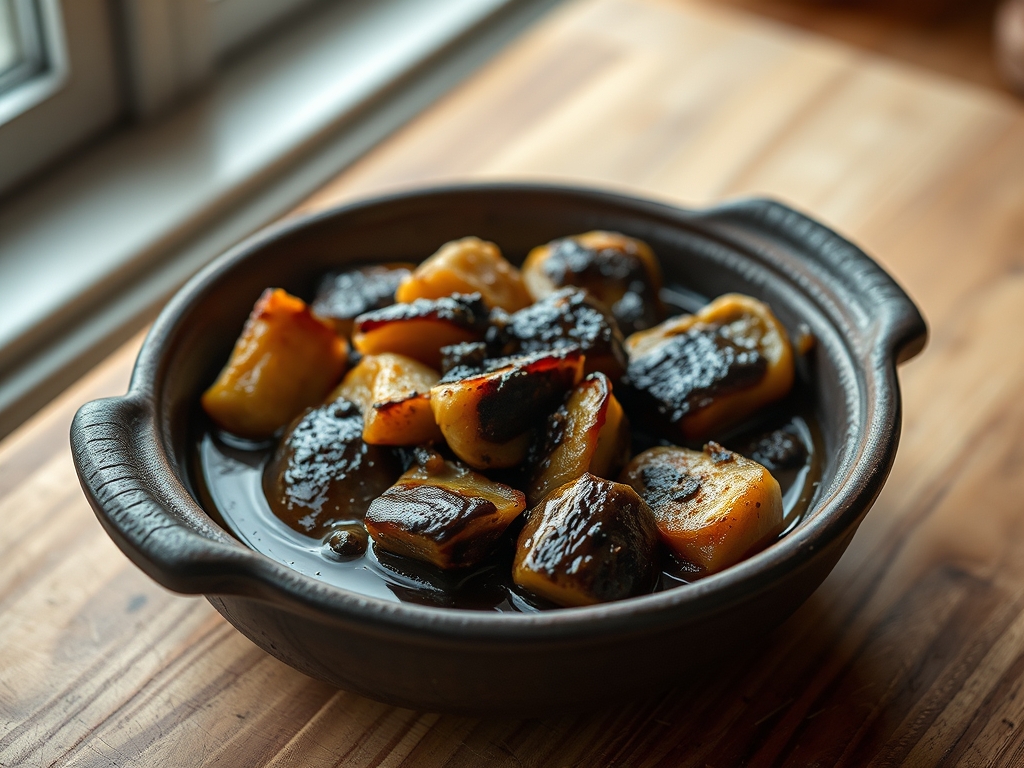
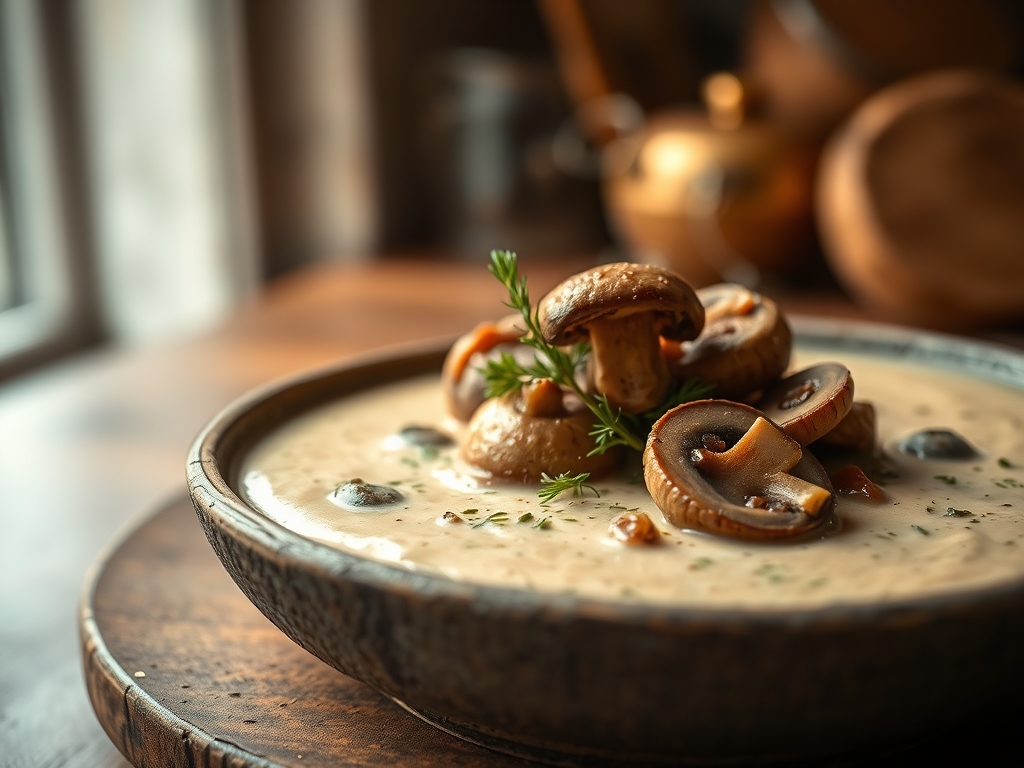
Forget the tepid, gelatinous slurry sliding out of a tin can with a metallic thud. We are not here to discuss convenience; we are here to architect a masterpiece of fluid dynamics. Real Cream of Mushroom Soup is a masterclass in the suspension of fungal proteins within a lipid-heavy emulsion. It is an exercise in the Maillard reaction, where the humble spore-bearer transforms from a spongy, water-logged entity into a concentrated bomb of savory depth. When executed with precision, this soup provides a visceral sensory assault. Imagine the smell of damp earth and toasted butter colliding with the piquant bite of fresh thyme. The texture should be velvet, not glue. It must possess enough body to coat the back of a silver spoon while remaining fluid enough to swirl with elegance. We are building a bridge between the forest floor and the fine-dining saucier station. Prepare to calibrate your palate for a high-velocity infusion of umami that will redefine your understanding of what a "cream" soup can actually achieve.
THE DATA MATRIX
| Metric | Specification |
|---|---|
| Prep Time | 25 Minutes |
| Execution Time | 35 Minutes |
| Yield | 1.5 Liters / 6 Servings |
| Complexity (1-10) | 4 |
| Estimated Cost per Serving | $1.85 USD |
THE GATHERS
Ingredient Protocol:
- 680g / 1.5 lbs Mixed Mushrooms (Cremini, Shiitake, Oyster)
- 115g / 1/2 cup Unsalted High-Fat Butter
- 150g / 1 large Yellow Onion, finely diced
- 30g / 4 cloves Garlic, minced
- 30g / 1/4 cup All-Purpose Flour
- 120ml / 1/2 cup Dry Sherry or White Wine
- 950ml / 4 cups Fortified Chicken or Vegetable Stock
- 240ml / 1 cup Heavy Cream (minimum 36% milkfat)
- 5g / 1 tbsp Fresh Thyme leaves
- 10g / 2 tsp Kosher Salt (adjust to taste)
- 2g / 1/2 tsp Freshly cracked Black Pepper
Section A: Ingredient Quality Audit:
The primary failure point in this infrastructure is water content. Standard supermarket button mushrooms are often hyper-hydrated. If your mushrooms feel slimy or "spongy" rather than firm, they will steam instead of sear. Technical Fix: Slice them thin and spread them on a wire rack in the refrigerator for two hours before cooking to air-dry the surface. If your heavy cream lacks the necessary fat percentage, the emulsion will break when it hits the acidic wine. Always opt for "Manufacturer's Cream" or heavy whipping cream to ensure a stable viscous finish. If your stock is thin, supplement it with a teaspoon of powdered porcini or dashi to boost the umami baseline.
THE MASTERCLASS
1. The Fungal Sear
Clean and slice your mushrooms using a sharp chef's knife or a mandoline for uniformity. Heat a heavy-bottomed saucier or Dutch oven over medium-high heat. Add the mushrooms to a dry pan first. This allows the cellular water to evaporate before adding fat. Once the pan is dry and the mushrooms begin to squeak, add half of your butter.
Pro Tip: This is the "Dry-Sauté" method. By removing moisture before adding lipids, you accelerate the Maillard reaction. This ensures the mushrooms render their essence into the pan rather than boiling in their own juices.
2. The Aromatics Matrix
Once the mushrooms are deeply browned and reduced in volume by half, use a bench scraper to clear a space in the center of the pan. Add the remaining butter, the diced onions, and the garlic. Sauté until the onions are translucent and have absorbed the mushroom pigments.
Pro Tip: Use a digital scale to measure your aromatics. Consistency in the onion-to-garlic ratio ensures that the pungent notes do not overwhelm the delicate fungal earthy tones.
3. The Roux Foundation
Sprinkle the flour over the fat-slicked vegetables. Stir constantly for three minutes. You are looking for a "blonde roux" stage. The flour must lose its raw cereal scent but should not turn dark brown. This creates the starch network required to aerate and thicken the fluid later.
Pro Tip: A flat whisk is the superior professional tool here. It allows you to scrape the corners of the pot, preventing the flour from scorching and creating bitter "hot spots" in your soup base.
4. Deglaze and Hydrate
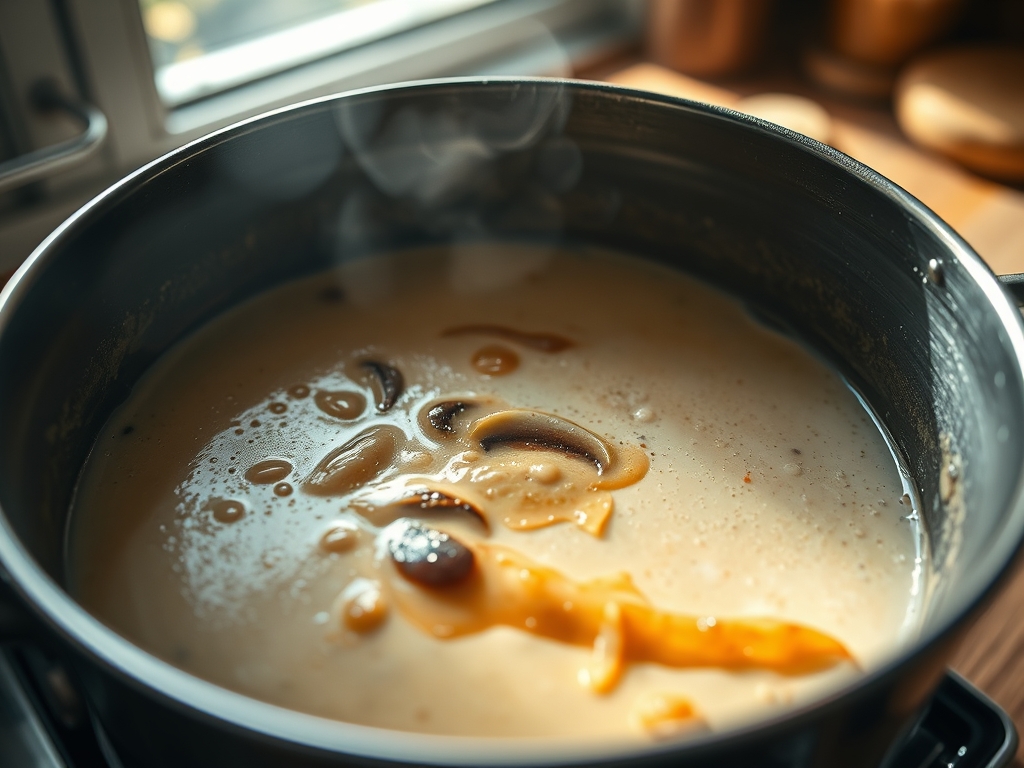
Pour in the sherry. Use a wooden spoon to deglaze the bottom of the pot, scraping up every bit of the brown "fond." This is concentrated flavor. Once the liquid has reduced to a thick syrup, slowly whisk in the stock in three stages. Bring to a simmer and allow the starch to gelatinize.
Pro Tip: Adding stock in stages prevents clumping. The first addition creates a thick paste; the subsequent additions thin it into a smooth, homogenized liquid.
5. Lipid Integration and Infusion
Lower the heat to a bare simmer. Stir in the heavy cream and fresh thyme. Do not allow the soup to reach a rolling boil once the dairy is added, as this can cause the proteins to denature and graininess to occur. Season with salt and pepper.
Pro Tip: Use an immersion blender to pulse approximately 25% of the soup. This releases more mushroom particles into the liquid, deepening the color and creating a naturally viscous mouthfeel without adding more flour.
Section B: Prep & Timing Fault-Lines:
The most common human error is the "Rushed Sear." If you add the stock before the mushrooms have achieved a dark, mahogany hue, your soup will be grey and bland. Timing is everything. Another fault-line is the "Dairy Scald." If you add cold cream to boiling stock, the thermal shock can cause the fats to separate. Always temper your cream by mixing it with a small amount of hot broth before pouring the whole volume into the pot.
THE VISUAL SPECTRUM
Section C: Thermal & Visual Troubleshooting:
Look at the Masterclass photo. Notice the deep, golden-brown hue of the liquid and the visible flecks of herbs. If your soup looks pale or "milky," you likely under-cooked the mushrooms or the roux. Solution: Simmer a handful of dried porcini in a separate cup of broth and add that dark liquid to the pot. If the texture looks "broken" or oily on top, your emulsion has failed. Solution: Rapidly whisk in a "slurry" of one tablespoon of heavy cream and a pinch of xanthan gum to re-bind the fats. The final product should have a matte sheen, not a greasy gloss.
THE DEEP DIVE
Macro Nutrition Profile:
Per serving: 320 Calories, 28g Fat, 14g Carbohydrates, 6g Protein. This is a high-satiety fluid designed for caloric density and comfort.
Dietary Swaps:
- Vegan: Substitute butter with avocado oil and heavy cream with full-fat coconut milk or cashew cream. Use a high-quality mushroom bouillon.
- Keto: Eliminate the flour. Use a pinch of xanthan gum to thicken and double the cream.
- Gluten-Free: Replace all-purpose flour with a 1:1 GF baking blend or cornstarch slurry.
Meal Prep & Reheating Science:
To maintain the molecular structure, do not freeze this soup. The ice crystals will puncture the starch cells, leading to a watery, separated mess upon thawing. Store in glass containers for up to four days. Reheat on the stovetop over low heat, whisking constantly to re-emulsify the fats. If the soup has thickened too much in the fridge, infuse it with a splash of fresh stock to restore the original viscosity.
THE KITCHEN TABLE
Why is my soup grey instead of brown?
Grey soup is the result of un-seared mushrooms. Without the Maillard reaction, the fungal pigments remain dull. Next time, ensure the mushrooms are browned in butter until they look like small bits of steak before adding any liquid.
Can I use milk instead of heavy cream?
You can, but the infrastructure will be compromised. Milk lacks the fat content to create a stable emulsion, resulting in a thinner, less luxurious mouthfeel. If using milk, you must increase the roux to compensate for the loss of body.
How do I fix a soup that is too salty?
Do not add water; it dilutes the flavor. Instead, add a splash of acid like lemon juice or more sherry vinegar. The acidity cuts through the salt perception. Alternatively, add a touch more cream to coat the palate.
What are the best mushrooms to use?
A blend is superior. Cremini provide the bulk, Shiitakes provide the savory "meatiness," and a few dried Porcini (rehydrated) provide the deep, forest-like aromatic profile that defines a professional-grade Cream of Mushroom Soup.