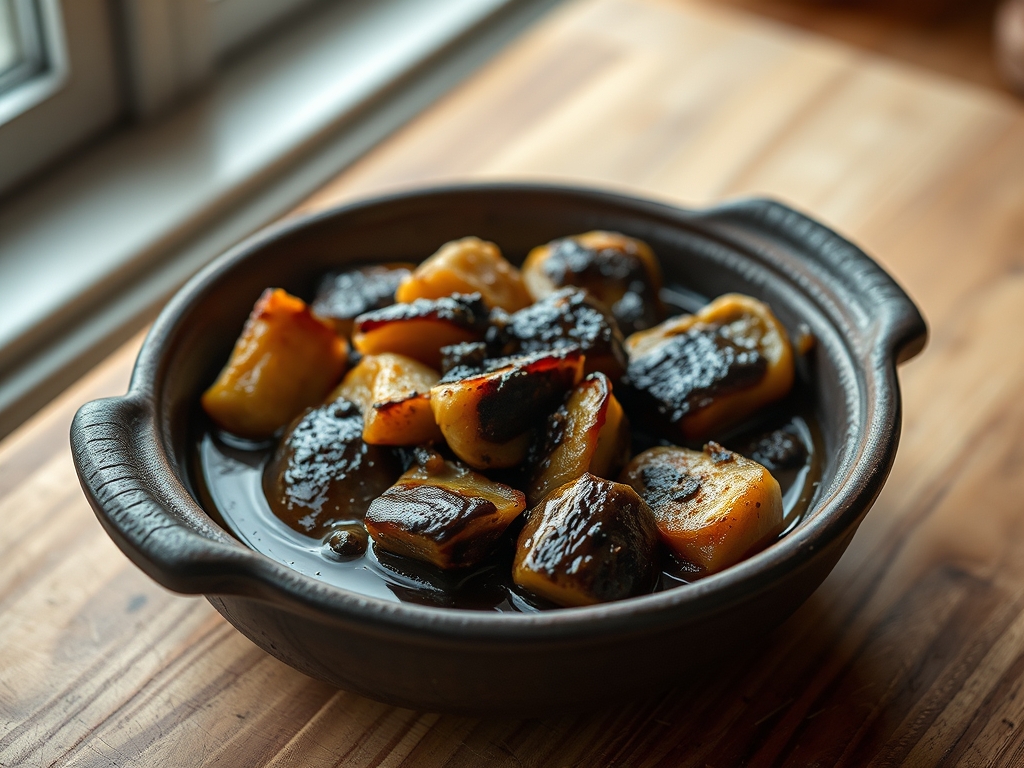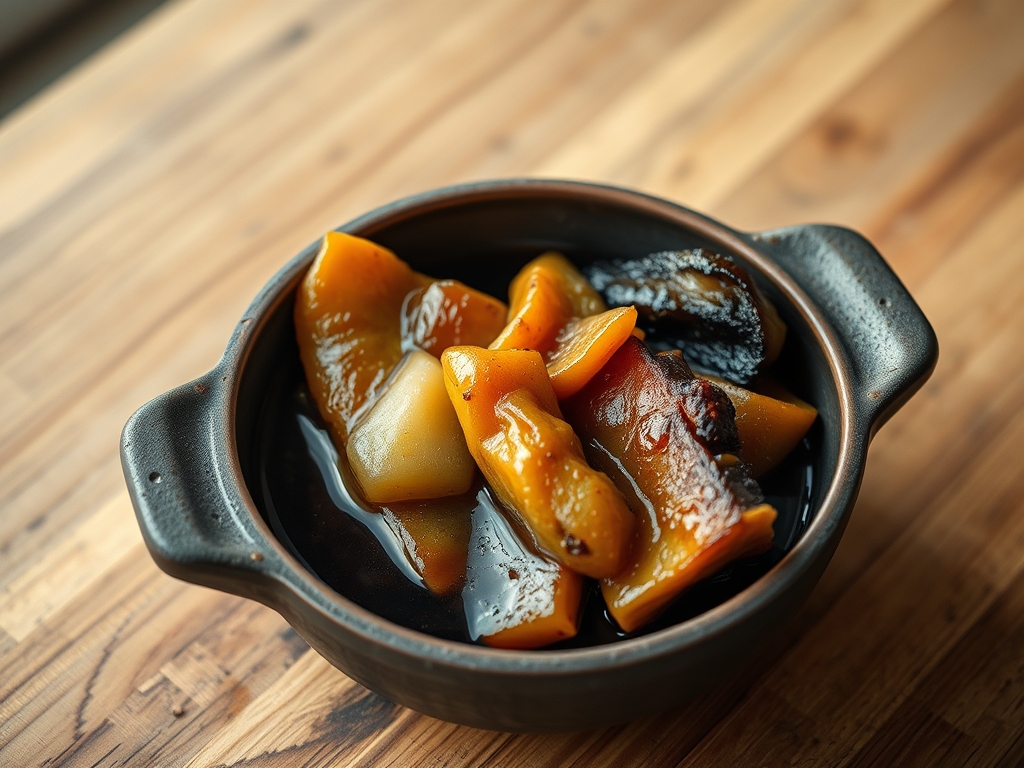
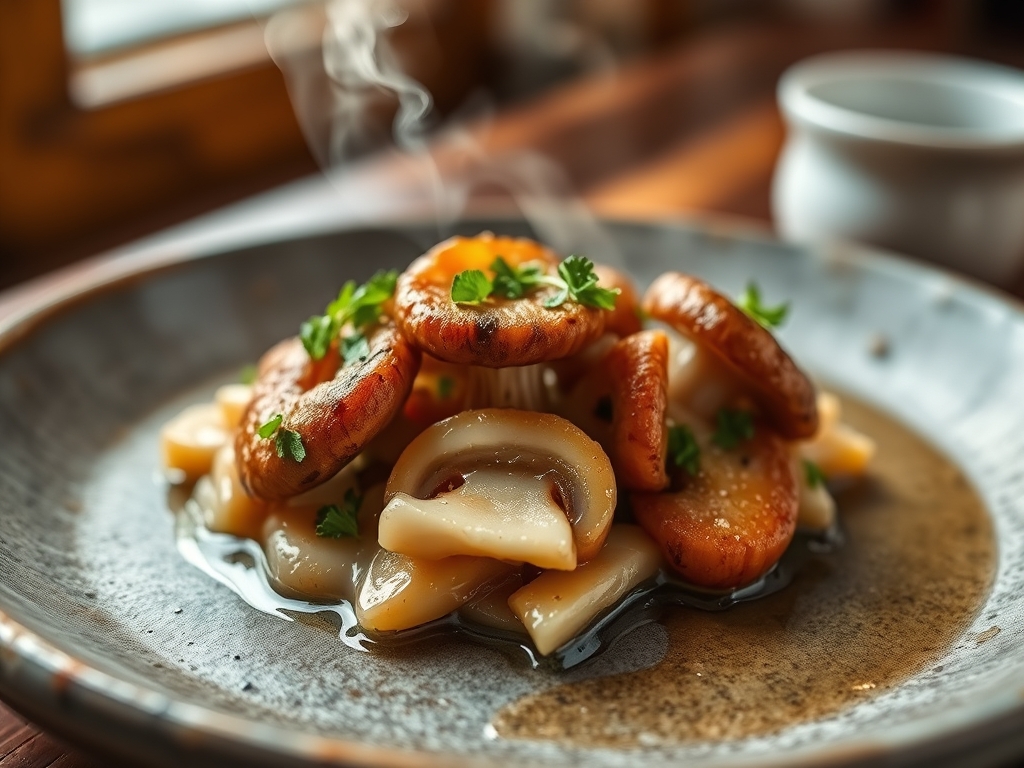
Forget everything you know about watery vegetable stocks and the limp, gray liquids masquerading as broth in the back of your pantry. We are entering the realm of the high-performance culinary engine. When we discuss Mushroom Dashi Logic, we are not just talking about soup; we are talking about a strategic extraction of guanylate and glutamate molecules designed to trigger a primal savory response. This is the infrastructure of vegan umami. We are looking for a liquid that is dark, viscous, and carries the weight of a slow-rendered bone broth without a single animal protein in sight. To achieve this, we must manipulate temperature and time with surgical precision. If you treat your dried fungi like a tea bag, you have already lost the war. We require a low-temperature, long-duration soak followed by a controlled thermal spike to unlock the deep, piquant notes hidden within the cellular walls of the shiitake. Prepare for a sensory overhaul where the forest floor meets the laboratory.
THE DATA MATRIX
| Metric | Specification |
|---|---|
| Prep Time | 20 Minutes |
| Execution Time | 12 Hours (Cold Steep) + 45 Minutes (Active) |
| Yield | 1.5 Liters / 6 Cups |
| Complexity (1-10) | 4 |
| Estimated Cost per Serving | $1.15 USD |
THE GATHERS
Ingredient Protocol:
- 50g / 1.75 oz Dried Shiitake Mushrooms (High-grade, thick caps)
- 15g / 0.5 oz Dried Kombu (Kelp)
- 30g / 1 oz Dried Porcini Mushrooms
- 1.5L / 6.3 cups Filtered Water
- 60ml / 0.25 cup Light Soy Sauce (or Tamari for GF)
- 15ml / 1 tbsp Mirin
- 5g / 1 tsp Toasted Sesame Oil
- 20g / 0.7 oz Fresh Ginger (Sliced into thick coins)
- 3 Garlic Cloves (Smashed)
Section A: Ingredient Quality Audit:
If your dried shiitakes look like dusty cardboard, your broth will taste like a basement. Audit your mushrooms for "cap thickness." Thin, brittle caps lack the concentrated sugars needed for a deep extraction. If you find yourself stuck with low-grade fungi, perform a flash-rinse in cold water to remove surface impurities, then toast them lightly in a dry saucier for two minutes before soaking. This thermal shock wakes up the volatile aromatics. For the kombu, if you see white powder on the surface, do not wash it off. That is mannitol, a natural sugar that provides a subtle sweetness and rounds out the salt profile. If the kombu is overly brittle and snaps like a cracker, it is stale; counteract this by increasing the cold-soak time by four hours to ensure full hydration of the cellular structure.
THE MASTERCLASS
1. The Cold Steep Extraction
Place your dried shiitakes, porcini, and kombu into a large glass vessel with the filtered water. Seal it and place it in the refrigerator for at least 12 hours. This is the cornerstone of Mushroom Dashi Logic. Cold extraction prevents the bitter tannins in the mushrooms and the slimy mucilage in the kombu from releasing into the water.
Pro Tip: Use a digital scale to ensure your water-to-mushroom ratio is exact. Precision here prevents a diluted profile. Cold extraction allows the water to infuse slowly, pulling out the umami-rich glutamates without the interference of heat-driven bitterness.
2. The Aromatics Activation
In a heavy-bottomed saucier, add the sesame oil, smashed garlic, and ginger. Heat over medium-low until the garlic begins to render its fragrance and turns a pale golden hue. You are creating a fat-soluble flavor base that will carry the water-soluble mushroom notes across the palate.
Pro Tip: Use a bench scraper to cleanly transfer your aromatics from the cutting board to the pan. Keeping the garlic cloves whole but smashed allows them to release flavor without burning or clouding the final broth.
3. The Controlled Thermal Rise
Pour the cold-steeped liquid and the mushrooms into the saucier with the aromatics. Remove the kombu just as the liquid begins to quiver. Do not let it reach a rolling boil. Bring the temperature to exactly 80 degrees Celsius (176 degrees Fahrenheit) and hold it there for 30 minutes.
Pro Tip: Use an infrared thermometer or a probe to monitor the temperature. If you exceed 90 degrees Celsius, the delicate mushroom aromatics begin to break down, and the broth will lose its clarity and become unpleasantly viscous.
4. The Deglaze and Seasoning
Add the soy sauce and mirin. Use a wooden spoon to gently scrape the bottom of the pot, ensuring any concentrated mushroom solids are reintegrated. This is a mini-deglaze that captures the "fond" of the vegetable world. Simmer for an additional 10 minutes to allow the alcohol in the mirin to evaporate.
Pro Tip: Seasoning at the end is vital. As the liquid reduces, the salt concentration increases. By adding soy sauce late in the process, you maintain total control over the sodium levels and prevent the broth from becoming overly saline.
5. The Final Filtration
Strain the liquid through a fine-mesh sieve lined with cheesecloth into a clean container. Press down on the mushroom caps with the back of a spoon to extract every last drop of concentrated essence.
Pro Tip: Do not discard the rehydrated mushrooms. They are now perfectly textured for a stir-fry or as a garnish. Use your bench scraper to slice them into thin ribbons for a professional presentation.
Section B: Prep & Timing Fault-Lines:
The most common failure in Mushroom Dashi Logic is the "Heat Rush." If you attempt to boil the mushrooms from the start to save time, you will end up with a murky, bitter liquid. The molecular structure of kombu contains alginic acid, which turns into a thick, unpleasant gel when boiled. If you miss the window and the broth boils with the kombu inside, immediately "shock" the liquid by adding a handful of ice cubes to drop the temperature. This won't fix the flavor entirely, but it will stop the texture from becoming a total loss.
THE VISUAL SPECTRUM
Section C: Thermal & Visual Troubleshooting:
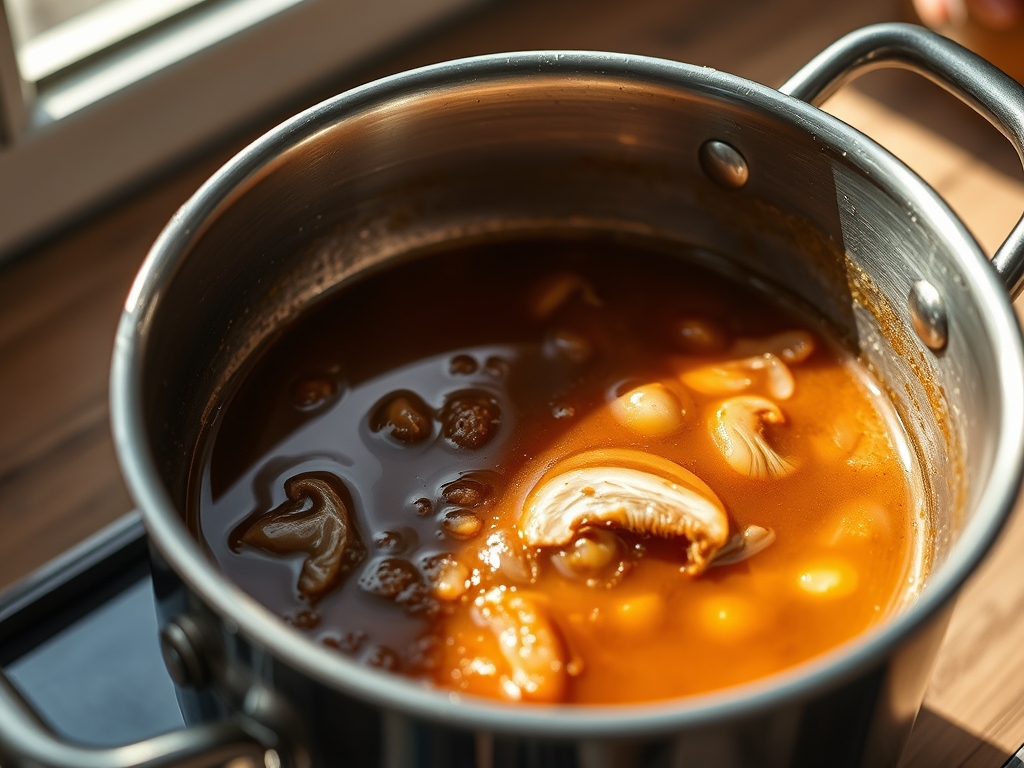
Referencing the Masterclass photo, your broth should possess a "tea-like" clarity with a deep amber hue. If your liquid looks muddy or gray, you likely agitated the mushrooms too much during the simmer or used tap water with high mineral content. For a dull color, a teaspoon of dark soy sauce can provide a cosmetic fix, but the real solution is a cleaner extraction next time. If you see fat droplets pooling unevenly on the surface, use a whisk to aerate the broth slightly before serving; this creates a temporary emulsion that gives the liquid a silkier mouthfeel. The visual cue for success is a slight "sheen" on the surface, indicating the sesame oil and mushroom fats have properly integrated.
THE DEEP DIVE
Macro Nutrition Profile
This broth is a nutritional powerhouse with minimal caloric density. A single serving contains approximately 45 calories, 2g of protein, 1g of fat, and 6g of carbohydrates. It is exceptionally high in Vitamin D and B-vitamins derived from the fungi, along with trace minerals like iodine from the kombu.
Dietary Swaps
- Vegan: Already compliant.
- Keto: Replace mirin with a splash of rice vinegar and a pinch of monk fruit sweetener to eliminate the sugar content.
- Gluten-Free: Swap standard soy sauce for liquid aminos or certified gluten-free tamari.
Meal Prep & Reheating Science
To maintain the molecular structure, cool the broth rapidly in an ice bath before refrigerating. This prevents "carry-over cooking" of the delicate aromatics. When reheating, never use a microwave on high power. Instead, warm it in a small pot over medium-low heat until it reaches 70 degrees Celsius. This preserves the viscous quality and prevents the flavors from flattening out.
THE KITCHEN TABLE
Why is my dashi bitter?
You likely boiled the kombu or the mushrooms too long. High heat releases tannins and iodine compounds. Always stick to the low-temperature extraction method to keep the flavor profile clean and savory.
Can I use fresh mushrooms instead?
Fresh mushrooms lack the concentrated guanylate found in dried ones. You can use them, but the "umami punch" will be significantly weaker. If using fresh, roast them until browned before simmering to develop flavor.
How long does this stay fresh?
In an airtight container, the broth will maintain its structural integrity for 5 days in the fridge. You can also freeze it in ice cube trays for an instant umami boost in future sauces.
What is the best way to serve this?
Keep it simple. Pour over silken tofu, blanched bok choy, or thin soba noodles. The broth is the star; do not crowd it with heavy fats or overpowering spices that mask the mushroom logic.