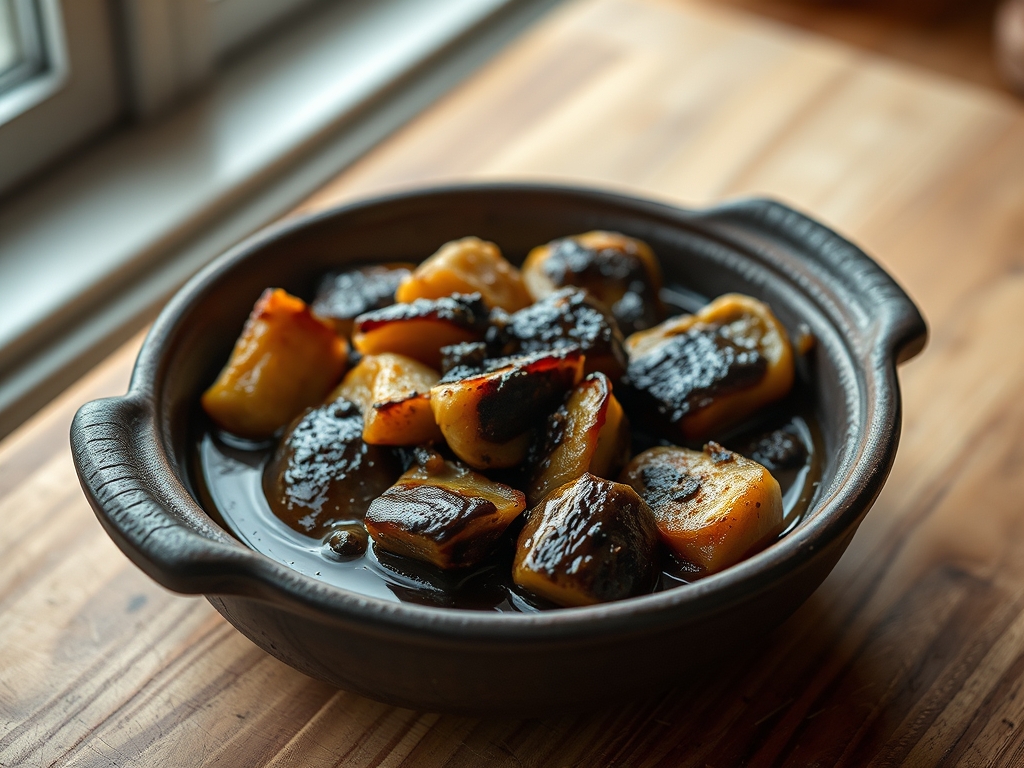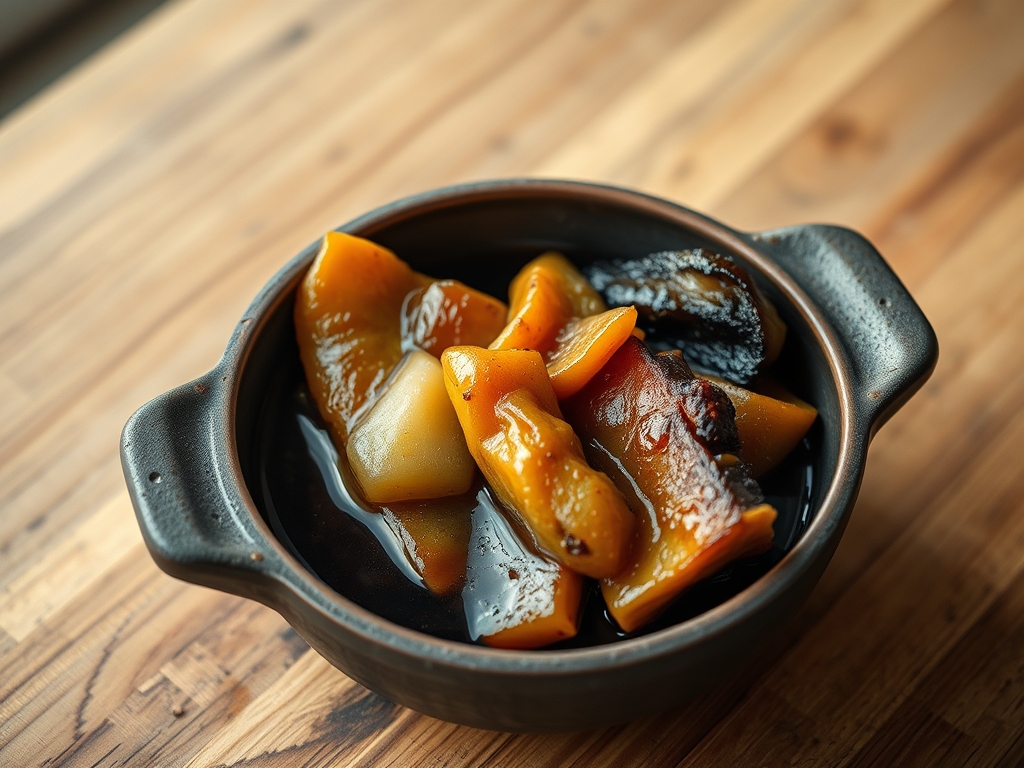
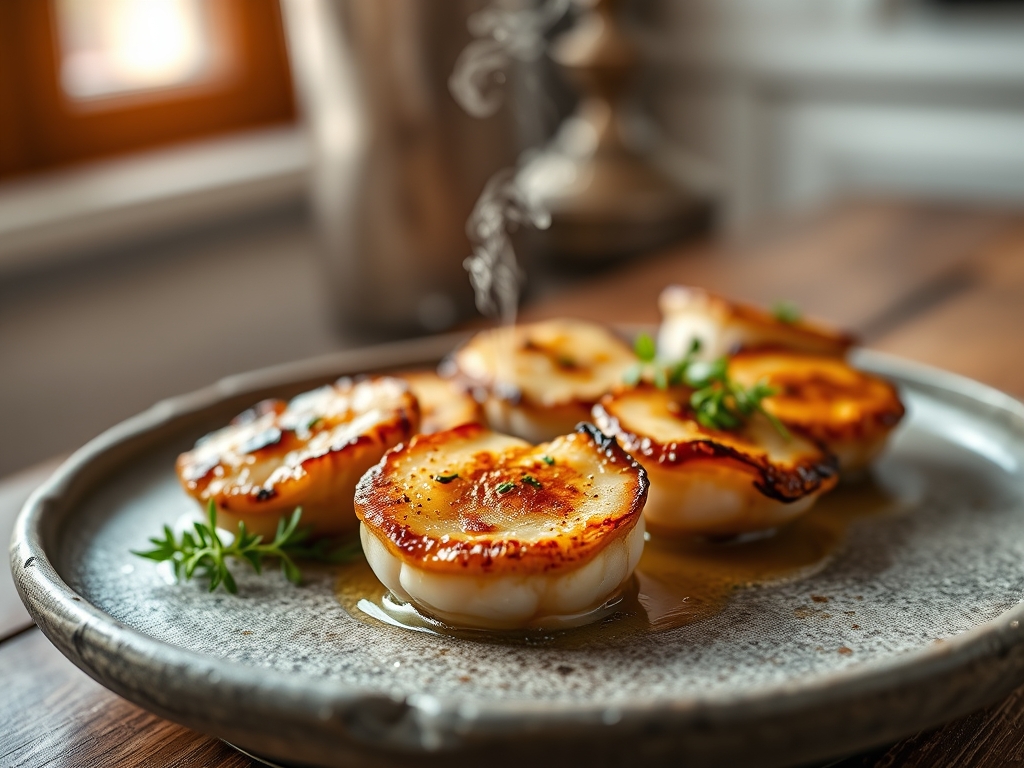
Forget everything you know about the rubbery, flavorless fungi of the past. We are entering the realm of high-fidelity protein simulation where the King Oyster Scallops take center stage as the ultimate culinary doppelganger. When you slice through the thick, dense stipe of a Pleurotus eryngii, you are not just prepping a vegetable; you are harvesting a structural marvel capable of mimicking the delicate, buttery resistance of a premium sea scallop. The goal here is a total sensory hijack. We want a golden-brown crust that shatters under the fork, giving way to a succulent, tender interior that has been pressurized with a deeply savory brine. This is about more than just a meal; it is an architectural feat of moisture management and thermal precision. We are going to deglaze the pan until the aromatics sing and the Maillard reaction reaches its peak intensity. If you are looking for a limp side dish, turn back now. We are here to engineer a masterpiece that defies its botanical origins and demands a permanent seat at the high-end gastronomic table.
THE DATA MATRIX
| Metric | Specification |
|---|---|
| Prep Time | 15 Minutes |
| Execution Time | 12 Minutes |
| Yield | 2 – 3 Servings |
| Complexity (1-10) | 4 |
| Estimated Cost per Serving | $3.50 – $5.00 |
THE GATHERS
Ingredient Protocol:
- 340g / 12oz King Oyster Mushroom Stems (Caps reserved for other use)
- 475ml / 2 cups Warm Water (For the primary brine)
- 15ml / 1 tbsp White Miso Paste (For umami depth)
- 5ml / 1 tsp Soy Sauce or Tamari (For color and salinity)
- 30g / 2 tbsp Unsalted Butter or Vegan Butter Alternative
- 15ml / 1 tbsp Neutral High-Smoke Point Oil (Avocado or Grapeseed)
- 2 cloves Garlic (Smashed for infusion)
- 1 sprig Fresh Thyme
- 2g / 0.5 tsp Flaky Sea Salt (For finishing)
- 1/2 Lemon (For acidity)
Section A: Ingredient Quality Audit:
If your King Oyster stems feel spongy or hollow, they are past their prime and will not hold the necessary structural integrity during the render phase. High-quality specimens should be firm, heavy for their size, and ivory-white. If the miso paste is overly oxidized and dark, it may impart a bitter note rather than a sweet, savory one; counteract this by adding a pinch of sugar. If your mushrooms have been refrigerated in plastic, they may have absorbed excess moisture. To fix this, let them sit uncovered on a wire rack for 30 minutes before slicing to allow the surface to dehydrate slightly. This ensures the oil can effectively sear the surface without being dampened by surface-level steam.
THE MASTERCLASS
1. Precision Sectioning
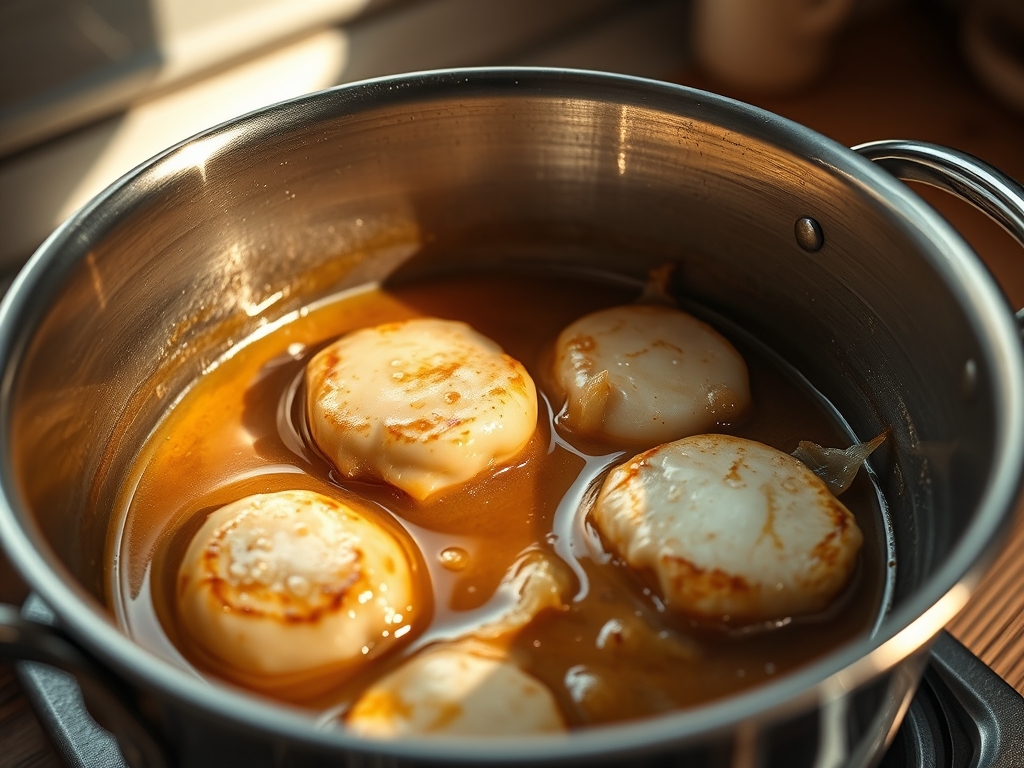
Using a sharp chef knife or a bench scraper to stabilize the fungi, slice the stems into 1-inch thick rounds. Ensure every piece is uniform in height to guarantee even thermal contact across the pan surface. Discard the woody base and save the caps for a stir-fry.
Pro Tip: Uniformity is the soul of consistency. Use a digital scale to ensure your "scallops" are roughly the same weight, which prevents smaller pieces from overcooking while larger ones remain raw in the center.
2. The Osmotic Brine
Whisk the miso, soy sauce, and warm water in a bowl. Submerge the mushroom rounds for 10 to 15 minutes. This process allows the saline solution to penetrate the dense cellular walls, seasoning the fungi from the inside out and softening the tough chitin fibers.
Pro Tip: Do not exceed 20 minutes in the brine. Excessive soaking leads to cellular collapse, turning your firm protein simulation into a viscous, mushy mess that refuses to sear.
3. Surface Dehydration
Remove the rounds from the brine and pat them bone-dry with paper towels. Any residual moisture on the surface will instantly turn to steam, preventing the Maillard reaction and ruining your crust.
Pro Tip: For a professional-grade crust, place the dried rounds in front of a small fan for five minutes. This creates a "pellicle" or a dry skin that browns more efficiently in the saucier.
4. The High-Heat Sear
Heat your oil in a heavy stainless steel or cast-iron pan until it begins to shimmer. Place the rounds in the pan, ensuring they do not touch. Sear undisturbed for 3 to 4 minutes per side until a deep golden-brown crust forms.
Pro Tip: Use a saucier with a thick base to maintain a constant temperature. If the temperature drops, the mushrooms will release juice and boil rather than sear.
5. The Butter Baste
Lower the heat and add the butter, garlic, and thyme. As the butter foams, tilt the pan and use a large spoon to continuously bathe the mushrooms in the infused fat. This adds a nutty aroma and fills the nooks and crannies with flavor.
Pro Tip: This is called "arroser." The butter acts as a heat transfer medium, ensuring the sides of the "scallops" are cooked through while the garlic and thyme aerate the fat with aromatics.
Section B: Prep & Timing Fault-Lines:
The most common failure in this protocol is "crowding the pan." If you add too many units at once, the ambient temperature of the cooking surface plummets. This triggers a massive moisture release, resulting in grey, rubbery mushrooms. Always cook in batches if necessary. Another fault-line is the "premature flip." If the mushroom sticks to the pan, the proteins haven't finished bonding and browning; wait until it releases naturally. Finally, if your butter burns before the basting is complete, your heat is too high. Remove the pan from the burner immediately and add a splash of cold oil to stabilize the temperature.
THE VISUAL SPECTRUM
Section C: Thermal & Visual Troubleshooting:
Referencing the Masterclass photo, your goal is a distinct "scallop" aesthetic: a flat, caramelized top and bottom with creamy, pale sidewalls. If your scallops look dull or grey, your pan was not hot enough at the start. If the edges are burnt but the center is white, your heat was too aggressive. To achieve the piquant brightness seen in the image, finish with a squeeze of fresh lemon juice just before serving; the acid will cut through the fat and make the golden colors "pop" visually. If the texture is too tough, increase the brining time by two minutes in your next attempt to further break down the fibers.
THE DEEP DIVE
Macro Nutrition Profile:
King Oyster Scallops are a nutritional powerhouse. A standard serving contains approximately 120 calories, 8g of fat (primarily from the basting process), 15g of carbohydrates, and 4g of protein. They are rich in ergothioneine, a potent antioxidant, and provide a significant dose of Vitamin B3 and B5.
Dietary Swaps:
- Vegan: Replace butter with a high-quality vegan butter or a refined coconut oil flavored with a pinch of nutritional yeast.
- Keto: This dish is naturally keto-friendly. Ensure your miso paste does not contain added sugars or high-fructose corn syrup.
- GF: Use Tamari or liquid aminos instead of traditional soy sauce to ensure the dish is 100% gluten-free.
Meal Prep & Reheating Science:
To maintain the molecular structure, do not microwave these. Reheating in a microwave causes the internal moisture to steam the mushroom from the inside, resulting in a rubbery texture. Instead, flash-fry them in a hot pan for 60 seconds per side or use an air fryer at 375F for 3 minutes to crisp the exterior while keeping the interior succulent.
THE KITCHEN TABLE
Can I use regular button mushrooms for this?
No. Button mushrooms lack the dense, fibrous stipe required to mimic the texture of a scallop. They will shrink significantly and fail to provide the necessary "bite" that defines this specific culinary simulation.
Why is my miso brine so salty?
Miso varieties vary in salinity. If your brine is overpowering, dilute it with more water or add a teaspoon of mirin. The goal is a savory background note, not a total salt assault on the palate.
My scallops are sticking to the stainless steel pan!
This is a sign of "thermal bonding." Wait. As the sugars and proteins caramelize, they will naturally release from the metal. If you force it, you will tear the beautiful crust you worked so hard to build.
How do I get that perfect "cross-hatch" pattern?
Before brining, use a sharp paring knife to lightly score a diamond pattern into the flat ends of the mushroom rounds. This increases surface area for the Maillard reaction and allows the brine to penetrate even deeper.