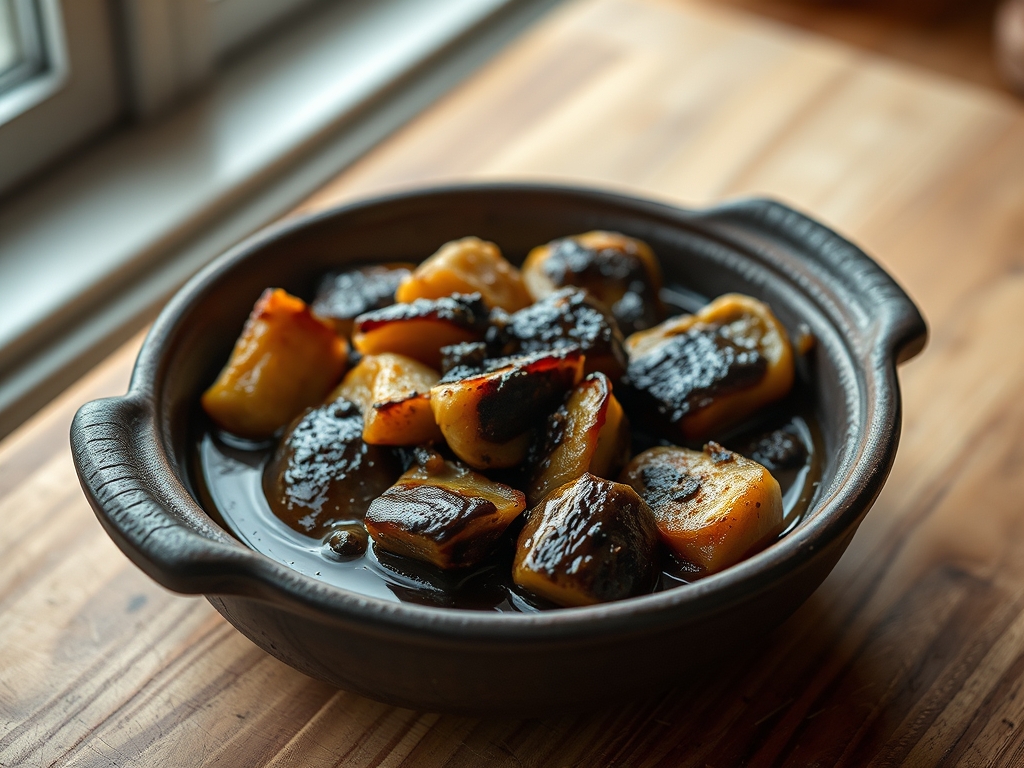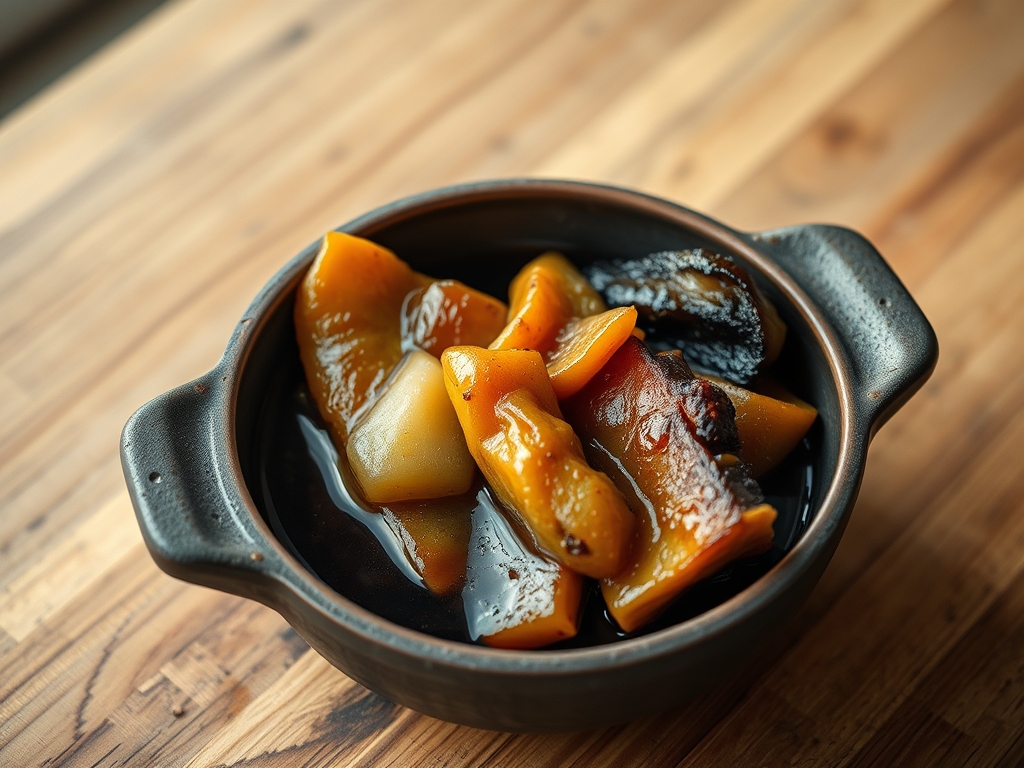
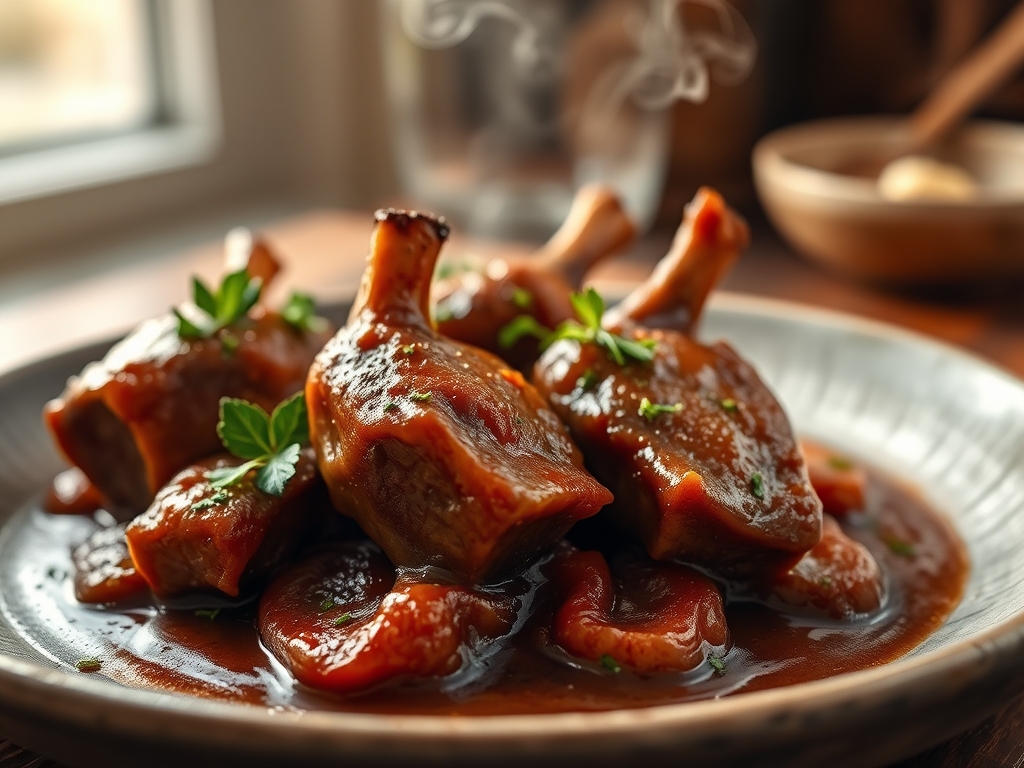
Forget the dainty, over-refined plates of minimalist bistros; we are here for the structural integrity of the bone. When you commit to Beef Osso Buco, you are not just making dinner; you are conducting a high-stakes engineering project involving connective tissue, collagen, and the glorious extraction of marrow. This is the industrial-strength version of the classic Milanese shank. By substituting traditional veal for the more robust, mature beef shank, we are opting for a deeper flavor profile and a significantly higher density of intramuscular fat. The goal is simple but demanding: we must transform a tough, fibrous cross-section of leg muscle into a fork-tender masterpiece that clings to the bone until the very moment of impact. We are looking for a sauce so viscous it coats the back of a spoon like liquid velvet and a marrow core that has softened into a buttery, spreadable gold. Prepare your station. This is a technical audit of the braise, and there is zero room for structural failure.
THE DATA MATRIX
| Metric | Specification |
|---|---|
| Prep Time | 45 Minutes |
| Execution Time | 3.5 to 4 Hours |
| Yield | 4 Substantial Servings |
| Complexity (1-10) | 7 (Precision Heat Management) |
| Estimated Cost per Serving | $12.00 – $15.00 |
THE GATHERS
Ingredient Protocol:
- 4 Center-cut beef shanks (approx. 450g / 1 lb each)
- 60ml / 4 tbsp High-smoke point oil (Grapeseed or Avocado)
- 120g / 1 cup All-purpose flour (for dredging)
- 200g / 1.5 cups Yellow onion, finely diced
- 150g / 1 cup Carrots, small dice
- 150g / 1 cup Celery, small dice
- 45g / 3 tbsp Tomato paste (double concentrated)
- 350ml / 1.5 cups Dry red wine (Nebbiolo or Cabernet)
- 750ml / 3 cups High-quality beef bone broth
- 3 sprigs Fresh thyme
- 2 Bay leaves
- 1 head Garlic, halved horizontally
- Gremolata: 1 bunch Parsley, 2 Garlic cloves, Zest of 2 Lemons
Section A: Ingredient Quality Audit:
The most common failure point in Beef Osso Buco is the selection of the shank itself. If the butcher provides end-cuts, the bone-to-meat ratio will be skewed, and the marrow cavity will be negligible. Insist on center-cut shanks of uniform thickness to ensure even thermal penetration. If your beef broth lacks body, it is likely a commercial "stock" that is mostly salted water. Technical fix: simmer the store-bought broth with an extra pound of roasted marrow bones or a tablespoon of unflavored gelatin before starting the recipe to ensure a rich mouthfeel. If your wine is too acidic or "corked," it will ruin the sauce. Always use a wine you would actually drink; the reduction process concentrates flavors, meaning flaws become magnified.
THE MASTERCLASS
1. Structural Reinforcement and Seasoning
Pat the shanks bone-dry with paper towels. Use kitchen twine to tie the circumference of each shank; this prevents the meat from detaching from the bone during the long braise. Season aggressively with kosher salt and cracked black pepper using a digital scale to ensure a 1.5 percent salt-to-weight ratio. Dredge lightly in flour, shaking off any excess to prevent gummy buildup in the pan.
Pro Tip: Drying the meat is essential for the Maillard reaction. Moisture is the enemy of browning; any residual surface water will cause the meat to steam rather than sear, robbing you of deep umami compounds.
2. The High-Heat Sear
Heat your oil in a heavy-bottomed saucier or Dutch oven over medium-high heat. Sear the shanks until a deep, mahogany crust forms on all sides. Do not crowd the pan. Work in batches if necessary to maintain a high surface temperature. Remove the meat and set it aside on a wire rack.
Pro Tip: Use a bench scraper to clear any burnt bits between batches if the flour starts to scorch. The goal is a controlled render of the exterior fat without carbonizing the flour.
3. Aromatics and Fond Integration
Reduce heat to medium. Add the onions, carrots, and celery (the mirepoix). Sauté until the onions are translucent and the vegetables have softened. Add the tomato paste and cook for 3 minutes, stirring constantly, until the paste turns a dark rust color. This process, known as "pincé," mellows the acidity and develops sweetness.
Pro Tip: The brown bits stuck to the bottom of the pan are called "fond." This is concentrated flavor gold. Use a wooden spoon to scrape them up as the vegetables release their moisture.
4. The Deglaze and Submersion
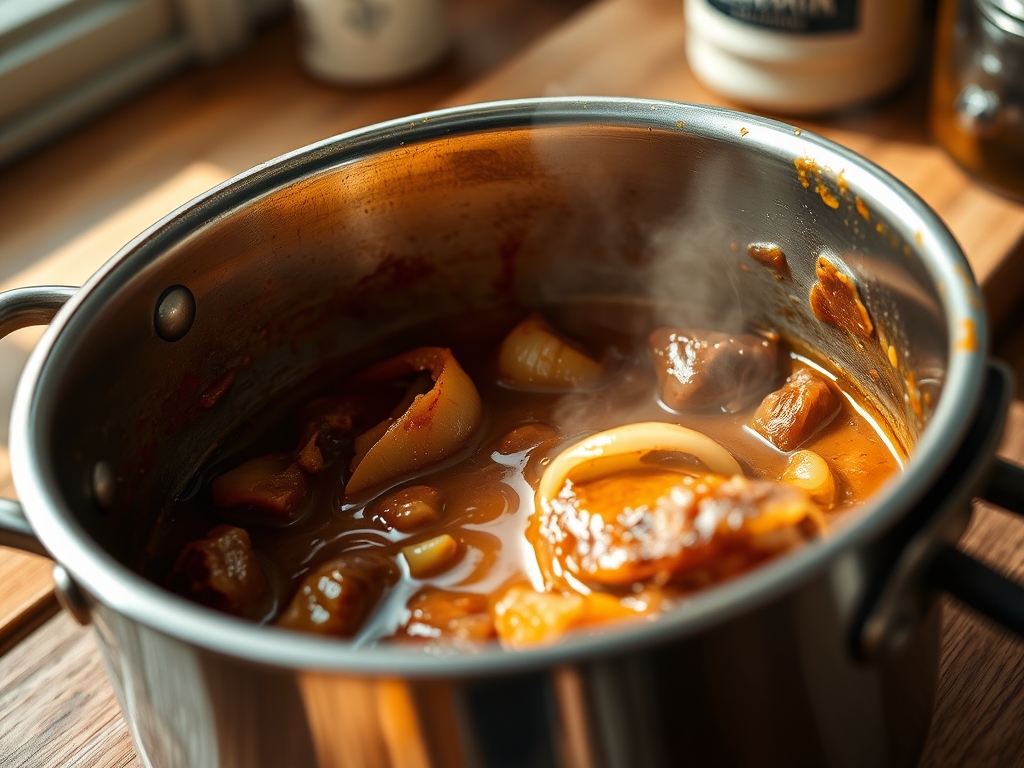
Pour in the red wine to deglaze the pan. Increase the heat to high and reduce the liquid by half. Return the shanks to the pot, nestling them into the vegetables. Pour in the beef broth until the liquid reaches halfway up the sides of the meat. Add the thyme, bay leaves, and the halved garlic head.
Pro Tip: Do not fully submerge the meat. A partial braise allows the exposed top of the meat to roast slightly, creating a more complex flavor profile than a total immersion.
5. The Low and Slow Transition
Cover the pot with a tight-fitting lid or a piece of parchment paper followed by foil. Transfer to a 325 degree Fahrenheit (165 Celsius) oven. Braise for 3 to 3.5 hours. The meat is done when it offers zero resistance to a paring knife but still holds its shape.
Pro Tip: Use an oven thermometer to verify your appliance's accuracy. A variance of 25 degrees can mean the difference between succulent meat and a dry, stringy disaster.
6. Sauce Refinement
Carefully remove the shanks and keep them warm. Strain the braising liquid through a fine-mesh sieve into a clean saucepan, discarding the solids. Simmer the liquid over medium heat, skimming any fat that rises to the top, until it reaches a viscous consistency that coats a spoon.
Pro Tip: If the sauce is too thin, whisk in a small amount of cold butter (monter au beurre) just before serving to aerate and emulsify the liquid for a glossy finish.
Section B: Prep & Timing Fault-Lines:
The most frequent human error is rushing the sear or the braise. If you pull the meat too early, the collagen has not yet converted to gelatin, resulting in a rubbery texture. Conversely, if the oven temperature is too high, the muscle fibers will contract and squeeze out all moisture before the breakdown occurs. Another timing fault involves the gremolata. Do not chop your parsley and lemon zest hours in advance; the volatile oils will dissipate, leaving you with a dull garnish. Prepare the gremolata while the sauce is reducing for maximum piquant impact.
THE VISUAL SPECTRUM
Section C: Thermal & Visual Troubleshooting:
Referencing the Masterclass photo, your Beef Osso Buco should exhibit a deep, uniform browning on the exterior of the meat. If your dish looks grey or "boiled," your initial sear was insufficient or your braising liquid level was too high. The sauce should be a dark, translucent amber, not a cloudy brown. If the sauce appears broken or greasy, you failed to skim the fat during the reduction phase. Use a fat separator or a chilled spoon to remove the oil slick. The marrow in the center should be pale and soft; if it has completely melted away, your oven was likely too hot, causing the marrow to liquefy and escape into the sauce.
THE DEEP DIVE
Macro Nutrition Profile:
A single serving of Beef Osso Buco is a protein powerhouse, providing approximately 45g of protein and 35g of fat. While high in calories (roughly 600-700 per serving depending on the sauce reduction), it is an excellent source of zinc, B12, and bioavailable collagen.
Dietary Swaps:
- Vegan: This dish is structurally dependent on the bone. However, a "Lion's Mane Mushroom Roast" using the same red wine and vegetable base can mimic the texture.
- Keto: Naturally keto-friendly. Serve over cauliflower purée instead of risotto.
- GF: Replace the flour dredge with arrowroot powder or simply omit it and thicken the final sauce with a cold butter emulsion.
Meal Prep & Reheating Science:
Osso Buco actually improves after 24 hours in the refrigerator. As it cools, the flavors infuse more deeply into the muscle fibers. To reheat, do not use a microwave; it will turn the meat into leather. Instead, place the shanks and sauce in a covered dish in a 300 degree Fahrenheit oven until the internal temperature reaches 165 degrees. This preserves the molecular structure of the gelatin.
THE KITCHEN TABLE
Why is my meat still tough after three hours?
You likely have a particularly "hard" cut of beef. Continue braising in 20-minute increments. The collagen conversion is a chemical reaction that requires consistent heat over time; it cannot be rushed, but it will eventually yield.
Can I make this in a slow cooker?
Yes, but you must perform the sear and the deglaze in a separate pan first. Transfer everything to the slow cooker and cook on low for 6 to 8 hours. The flavor depth will be slightly reduced.
What is the best side dish for this?
Tradition dictates Risotto alla Milanese (saffron risotto). The creaminess of the rice and the floral notes of the saffron provide a perfect structural counterpoint to the heavy, savory notes of the beef and marrow.
How do I eat the marrow?
Use a small espresso spoon or a specialized marrow scoop. Spread the warm marrow onto a piece of toasted baguette with a pinch of sea salt. It is the richest part of the experience; do not waste it.