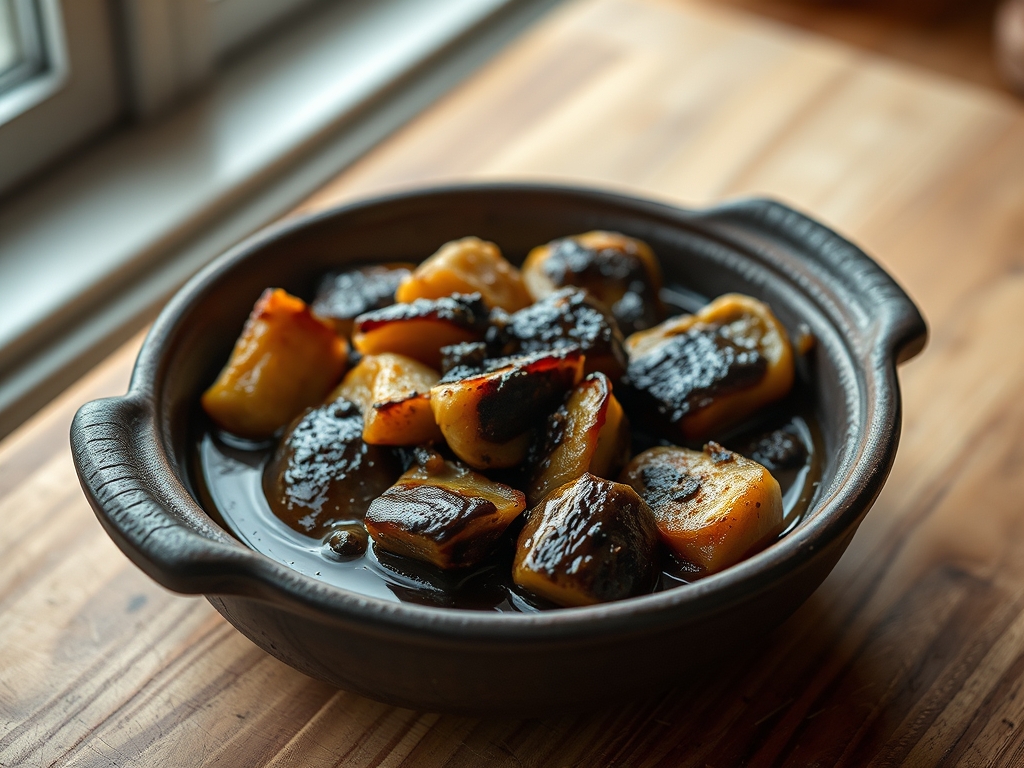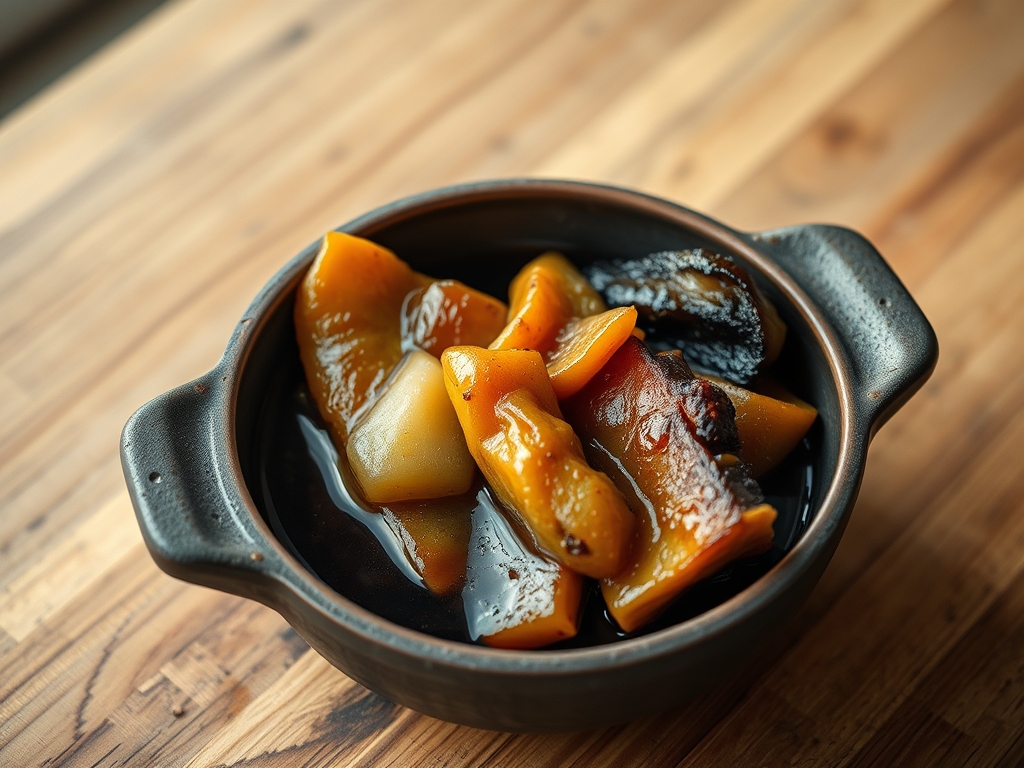
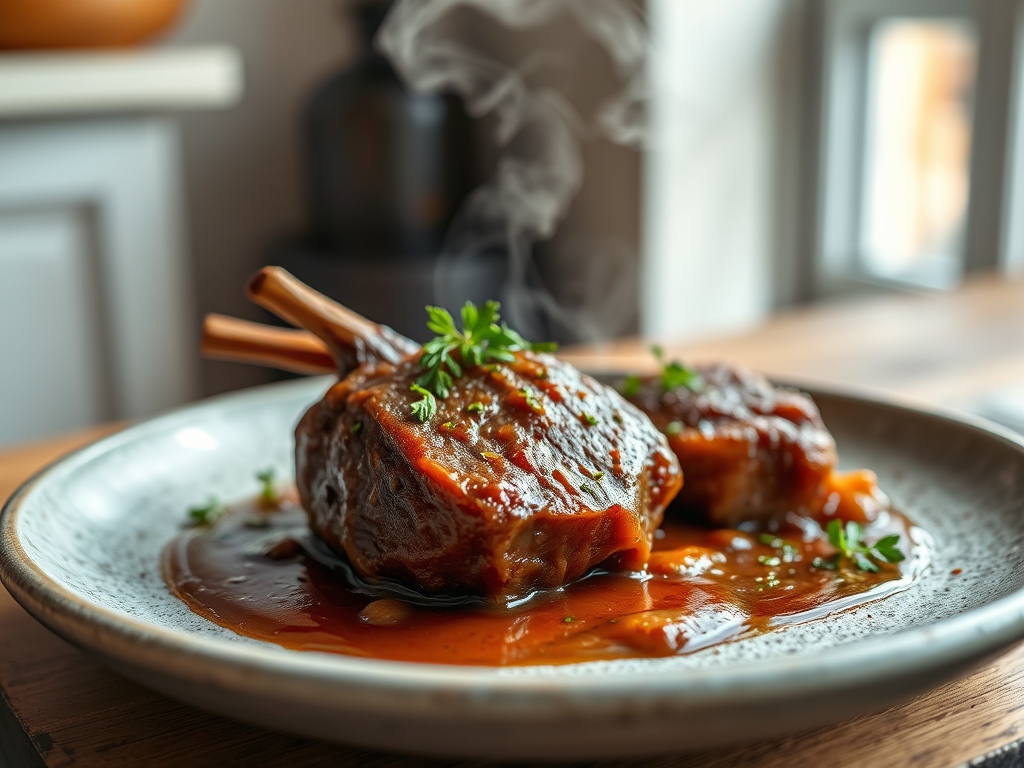
Listen closely because your standard leg of lamb is a predictable bore compared to the structural complexity of the neck. We are not just cooking; we are performing a high-stakes audit of connective tissue and intramuscular lipid deposits. The Lamb Neck Braise is the ultimate test of a chef's patience and technical precision. This cut is a chaotic map of bone, sinew, and fat that, when subjected to the correct thermal trajectory, transforms into a viscous masterpiece of culinary engineering. You can feel the tension in the raw muscle fibers, a coiled spring of potential energy waiting for the Maillard reaction to unlock its secrets. When that first sear hits the pan, the aroma is not just food; it is a chemical signal of impending success. We are looking for a total breakdown of collagen into gelatin, creating a mouthfeel so luxurious it borders on the illicit. Forget the lean cuts that dry out if you blink. We want the grit, the marrow, and the relentless depth of a perfectly executed slow roast.
THE DATA MATRIX
| Metric | Specification |
|---|---|
| Prep Time | 45 Minutes |
| Execution Time | 4.5 Hours |
| Yield | 4 Standard Servings |
| Complexity | 7/10 |
| Estimated Cost per Serving | $8.50 USD |
THE GATHERS
Ingredient Protocol:
- 1.4kg / 3.1 lbs Bone-in Lamb Neck (sliced into 1-inch rounds)
- 30ml / 2 tbsp High-smoke point oil (Avocado or Grapeseed)
- 250g / 2 cups Yellow Onion (small dice)
- 150g / 1.2 cups Carrots (brunoise)
- 150g / 1.2 cups Celery (brunoise)
- 45g / 3 tbsp Tomato Paste
- 500ml / 2.1 cups Dry Red Wine (Cabernet or Syrah)
- 750ml / 3.2 cups Fortified Veal or Beef Stock
- 4 cloves Garlic (smashed)
- 3 sprigs Fresh Thyme
- 2 sprigs Fresh Rosemary
- 10g / 2 tsp Kosher Salt
- 5g / 1 tsp Cracked Black Peppercorns
Section A: Ingredient Quality Audit:
If your lamb neck arrives with a greyish hue or a "wet" surface texture, your sear is doomed before you begin. Sub-par meat with high surface moisture prevents the Maillard reaction. Technical fix: Pat the meat aggressively dry with lint-free towels and allow it to air-dry in the refrigerator for two hours on a wire rack. If your stock is thin and lacks body, it will not produce a viscous sauce. Technical fix: Whisk in 5g of unflavored gelatin per 250ml of stock before adding it to the pot to simulate the mouthfeel of a long-term collagen breakdown.
THE MASTERCLASS
1. Thermal Priming and Surface Desiccation
Season the lamb aggressively with salt and pepper. Heat your heavy-bottomed Dutch oven or saucier over medium-high heat until the oil reaches its shimmer point. Sear the lamb rounds in batches to avoid crowding the pan, which drops the temperature and causes the meat to steam rather than brown.
Pro Tip: Use an infrared thermometer to ensure the pan surface is at least 205C (400F). This ensures immediate protein denaturation and optimal crust formation without overcooking the interior.
2. The Aromatics Integration
Remove the meat and discard all but two tablespoons of the render. Add the onions, carrots, and celery. Use a bench scraper or wooden spoon to scrape the fond (the brown bits) from the bottom of the pan. Sauté until the vegetables are translucent and slightly caramelized.
Pro Tip: The fond contains concentrated flavor compounds created during the sear. Deglazing these bits back into the liquid phase is essential for a piquant and complex sauce profile.
3. Deglazing and Molecular Suspension
Add the tomato paste and cook for three minutes until it turns a rusty brick red. Pour in the red wine to deglaze. Use your digital scale to measure the liquid precisely. Reduce the wine by half to cook off the harsh ethanol notes, leaving behind only the acidity and fruit esters.
Pro Tip: Reducing the wine concentrates the tartaric acid, which helps to further tenderize the tough muscle fibers during the long braise.
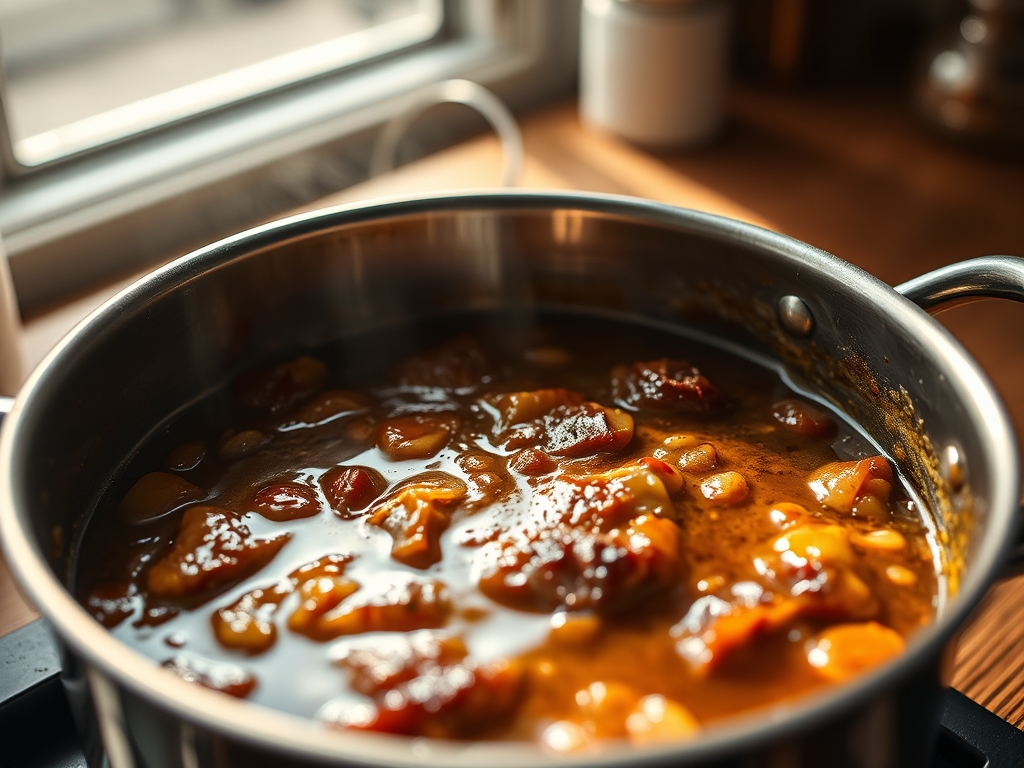
4. The Low-Slow Submersion
Return the lamb to the pot and pour in the stock until the meat is three-quarters submerged. Add the garlic and herbs. Cover with a tight-fitting lid or a cartouche (parchment paper lid) and place in a 150C (300F) oven for 3.5 to 4 hours.
Pro Tip: A cartouche prevents a skin from forming on the surface of the liquid and ensures even heat distribution, allowing the steam to gently infuse the meat without turbulent boiling.
5. Final Emulsification and Glaze
Remove the meat carefully. Strain the braising liquid through a fine-mesh chinois into a clean saucepan. Reduce the liquid over high heat until it coats the back of a spoon. Whisk in a knob of cold butter to aerate and stabilize the sauce.
Pro Tip: This final reduction creates a glaze with high surface tension, ensuring the sauce clings to the lamb rather than pooling at the bottom of the plate.
Section B: Prep & Timing Fault-Lines:
The most common failure is the "rushed render." If the internal temperature of the lamb rises too quickly, the muscle fibers will contract and squeeze out moisture before the collagen has a chance to melt. This results in "stringy" meat. Technical fix: If the meat feels tough at the 3-hour mark, do not increase the heat. Instead, check your oven calibration with a secondary probe. Patience is a non-negotiable ingredient in the braising protocol.
THE VISUAL SPECTRUM
Section C: Thermal & Visual Troubleshooting:
Referencing the Masterclass photo, you are looking for a deep mahogany crust contrasted against a glistening, dark amber sauce. If your lamb looks "pale" or "boiled," you failed the initial sear phase. Fix: You can attempt a high-heat "flash" under the broiler for 2 minutes, but be wary of drying the meat. If the sauce looks broken or oily, the fat was not properly skimmed. Fix: Use a fat separator or the "ice cube trick" (dipping a cold metal spoon into the sauce) to attract and remove excess lipids. The meat should pull away from the bone with minimal resistance from a fork, indicating a total structural collapse of the connective tissues.
THE DEEP DIVE
Macro Nutrition Profile
A standard serving of Lamb Neck Braise (approx. 200g meat + 50ml sauce) contains roughly 450 calories. It is high in protein (35g) and fat (32g), with minimal carbohydrates (6g) primarily from the mirepoix and wine reduction. It is an excellent source of Vitamin B12 and Zinc.
Dietary Swaps
- Vegan: Replace lamb with thick-cut "steaks" of Lion's Mane mushroom or Celery Root. Use vegetable bouillon and a splash of soy sauce for umami depth.
- Keto: Replace the carrots with daikon radish and ensure the tomato paste is sugar-free.
- GF: This recipe is naturally gluten-free; just ensure your stock is not thickened with flour-based roux.
Meal Prep & Reheating Science
Braises actually improve after 24 hours. As the dish cools, the gelatin sets into a semi-solid matrix, trapping flavor molecules. When reheating, do so slowly over low heat to prevent the proteins from tightening. Avoid the microwave; it agitates water molecules too violently, which can rupture the delicate fat-protein emulsion of your sauce.
THE KITCHEN TABLE
Why is lamb neck better than lamb shank?
Neck contains a higher ratio of fat to lean muscle and more intricate bone structures. This results in a more viscous sauce and a richer flavor profile that shanks simply cannot match in a long-term braise.
Can I do this in a slow cooker?
You can, but you sacrifice the Maillard reaction. Always sear the meat and sauté the vegetables in a separate pan first. Transferring those caramelized compounds is the only way to avoid a flat, one-dimensional flavor profile.
What if my sauce is too salty?
Do not add water; it dilutes the body. Instead, add a small amount of unsalted stock or a teaspoon of honey. The sweetness counters the perception of salt without compromising the structural integrity of the reduction.
How do I know the collagen has fully rendered?
The "probe test" is definitive. A skewer should slide into the thickest part of the meat with zero resistance. If you feel a "pop" or "grip," the connective tissue is still in its crystalline state.