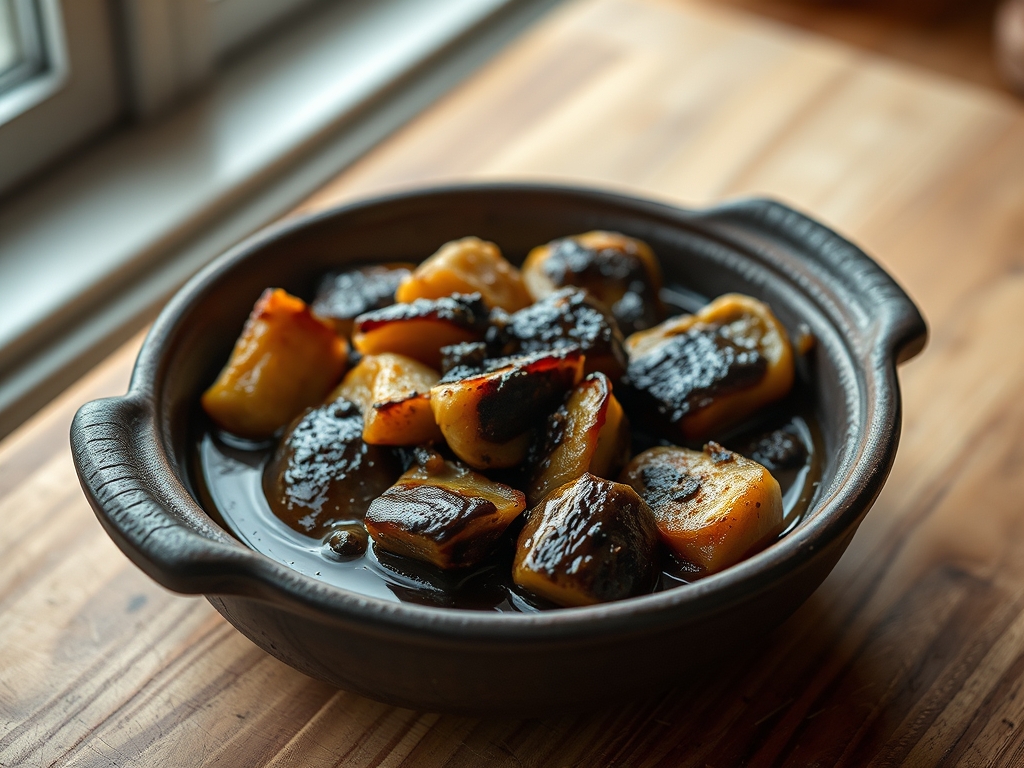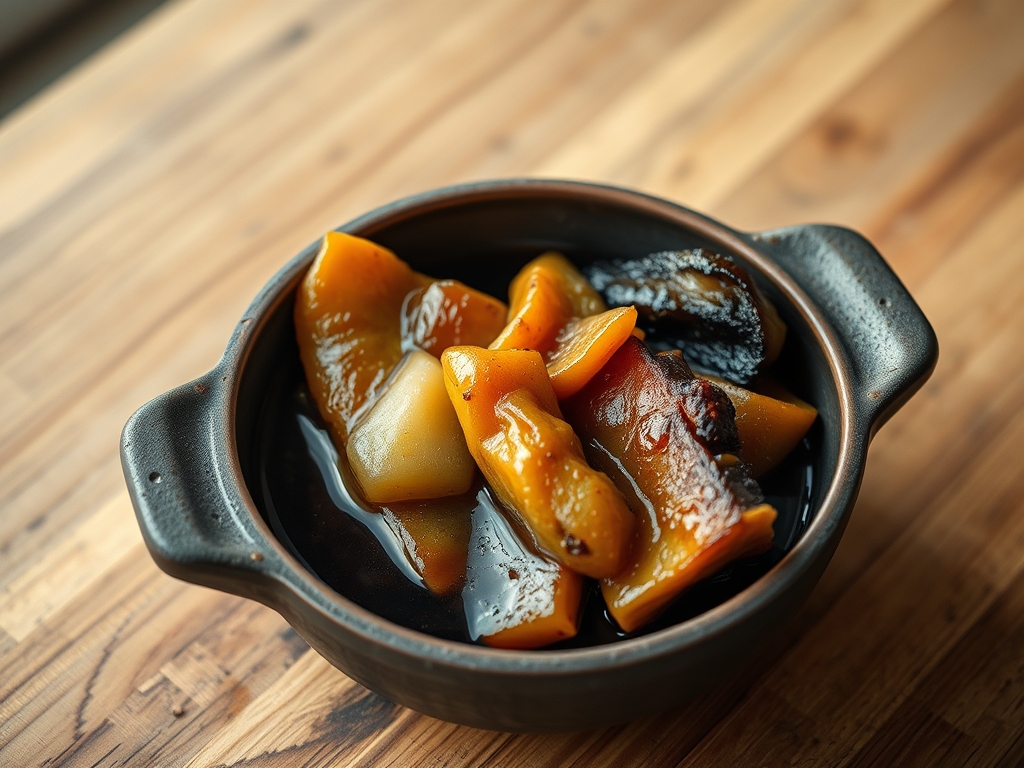
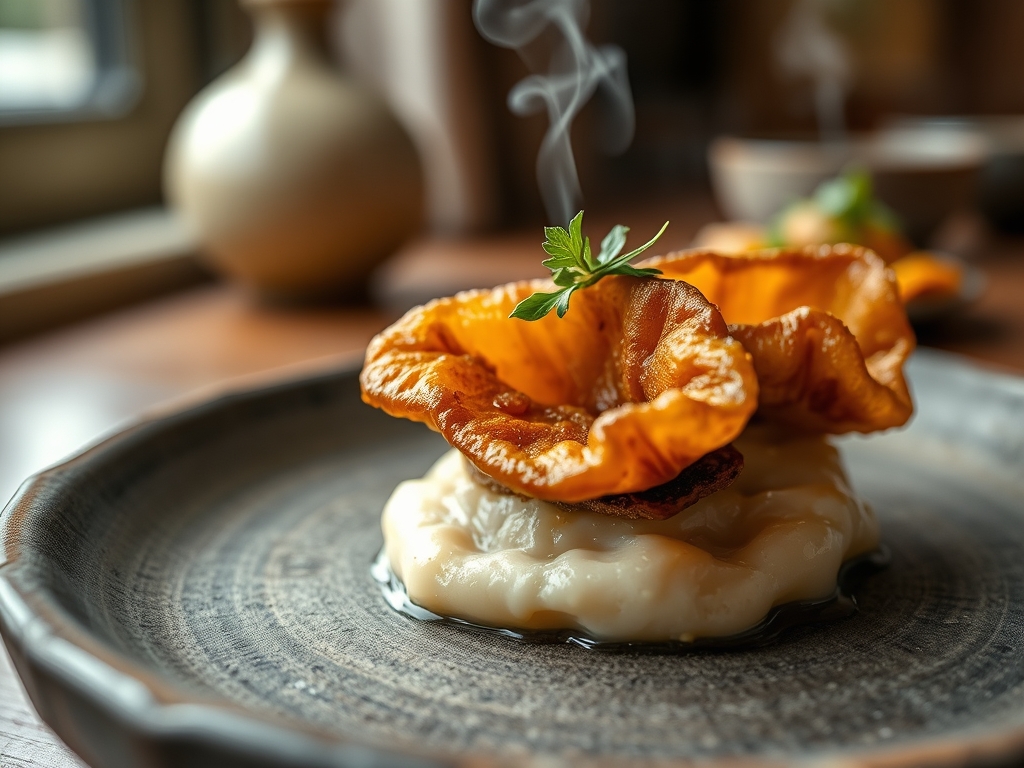
Listen to the sound of a thousand tiny crystals shattering against a porcelain bowl. That is not just noise; it is the sonic signature of high density glutamic acid. When you hold a premium Hokkaido conpoy between your thumb and forefinger, you are not merely holding seafood. You are gripping a dehydrated pillar of maritime infrastructure. This is the gold standard of the pantry. It is a concentrated puck of oceanic power that has undergone months of controlled desiccation to reach its final, architectural form. We are here to conduct a rigorous Dried Scallop Audit. We will strip away the fluff of home cooking and replace it with the cold, hard metrics of culinary engineering. If your scallops look like shriveled raisins rather than amber jewels, your protocol is flawed. We are looking for that specific, vitreous sheen and a scent that bridges the gap between salt air and aged ham. Prepare to dismantle the scallop to its fibrous core and rebuild it into a liquid asset of pure umami.
THE DATA MATRIX
| Metric | Specification |
|---|---|
| Prep Time | 12 Hours (Rehydration Phase) |
| Execution Time | 45 Minutes |
| Yield | 500ml Concentrated Base |
| Complexity (1-10) | 7 |
| Estimated Cost per Serving | $8.50 USD |
THE GATHERS
Ingredient Protocol:
- 200g / 7oz Premium Dried Scallops (Medium Grade)
- 500ml / 2 cups Filtered Water (Room Temperature)
- 60ml / 4 tbsp Shaoxing Rice Wine (Aged 5+ Years)
- 30g / 1.05oz Fresh Ginger (Smashed)
- 20g / 0.7oz Scallion Whites (Crushed)
- 15ml / 1 tbsp Neutral Oil (High Smoke Point)
- 2g / 0.5 tsp Fine Sea Salt
Section A: Ingredient Quality Audit:
If your raw material lacks the characteristic amber transparency, you are likely dealing with "adulterated" grains. Inferior scallops often contain excessive moisture or salt fillers to increase weight. To fix this, perform a "snap test." A high quality conpoy should be difficult to break with bare hands. If it feels rubbery or soft before soaking, it has not been cured correctly. The fix is a pre-toast; flash-sear the dry scallops in a hot saucier for 30 seconds to drive off surface impurities before you begin the rehydration cycle. If the aroma is fishy rather than savory, increase your rice wine ratio by 15 percent to neutralize trimethylamine.
THE MASTERCLASS
1. The Hydration Submersion
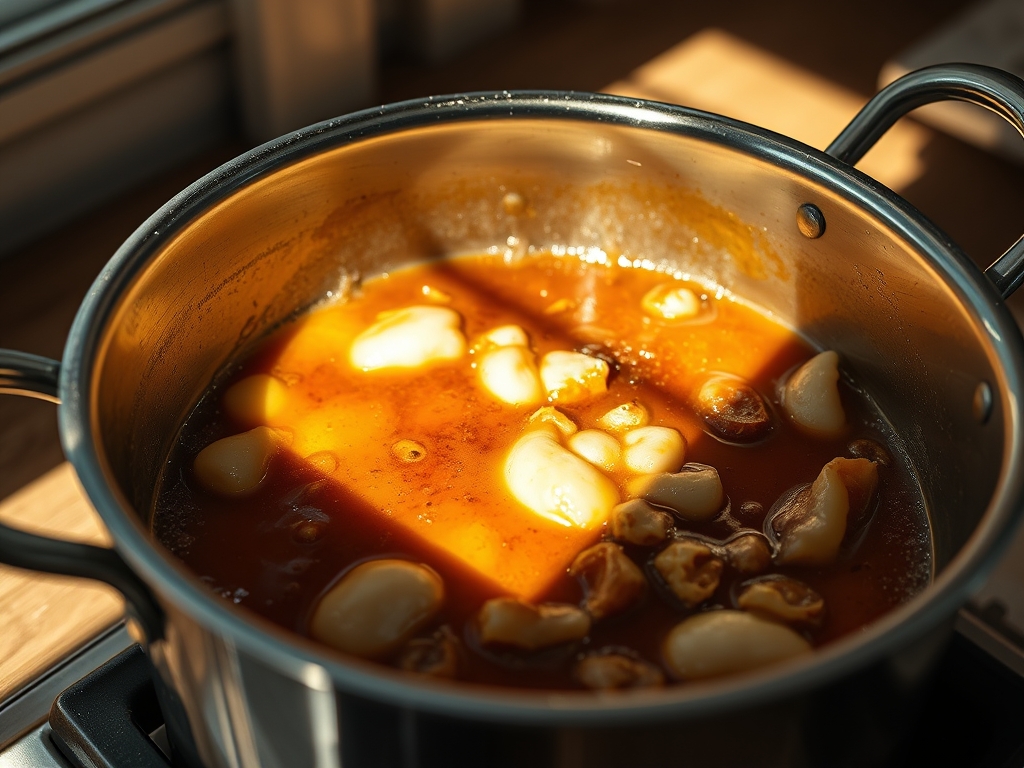
Place the scallops in a deep glass vessel and cover with the filtered water and rice wine. Allow them to sit for at least 12 hours. This is not a suggestion; it is a structural necessity to ensure the core fibers infuse with liquid.
Pro Tip: Use a digital scale to ensure the water-to-scallop ratio is exactly 2.5:1. This precision prevents the dilution of the natural amino acids while ensuring full saturation of the protein matrix.
2. The Aromatics Infusion
Place the soaked scallops and their soaking liquid into a stainless steel steaming rack. Top with the smashed ginger and scallion whites. Steam on high heat for 40 minutes until the scallops can be easily crushed between two fingers.
Pro Tip: Use a bench scraper to move the softened scallops to a clean workspace. The wide blade prevents the delicate, rehydrated fibers from tearing prematurely during the transfer process.
3. The Fibrous Shredding
Once cooled slightly, use your hands or the side of a fork to pull the scallops apart into fine, hair-like threads. The goal is to maximize surface area for the upcoming Maillard reaction.
Pro Tip: If the fibers are stubborn, your steaming time was insufficient. Return them to the heat. Professional kitchens often use a heavy-duty whisk to agitate the scallops in a bowl, which shreds them efficiently without damaging the cellular structure.
4. The Thermal Rendering
Heat the neutral oil in a heavy-bottomed saucier. Add the shredded scallop fibers and sauté over medium-low heat. You are looking to render out the remaining moisture until the fibers become crisp and golden.
Pro Tip: Watch the bubbles. When the vigorous bubbling subsides, it means the water has evaporated and the temperature of the oil is rising above 212 degrees Fahrenheit. This is the trigger for browning.
5. The Final Deglaze
Add a splash of additional rice wine to the pan to deglaze the concentrated sugars stuck to the bottom. Stir constantly until the liquid has evaporated and the scallops are evenly coated in a viscous, savory glaze.
Pro Tip: Use a silicone spatula to scrape every millimeter of the pan. Those browned bits are the crystallized essence of the scallop and contain the highest concentration of succinic acid.
Section B: Prep & Timing Fault-Lines:
The most common failure in this Dried Scallop Audit is "Thermal Shock." If you add ice-cold soaking liquid to a hot pan, you will toughen the proteins instantly. Always ensure your liquids are at room temperature before they hit the heat. Another fault-line is the "Rush Job." Attempting to shred scallops that have only soaked for two hours will result in chunky, uneven fragments that fail to aerate when fried. If you are short on time, use a pressure cooker for 15 minutes to force hydration into the center of the grains.
THE VISUAL SPECTRUM
Section C: Thermal & Visual Troubleshooting:
Referencing the Masterclass photo above, notice the gradient of color. The ideal output should be a deep "Old Oak" brown, not black. If your scallops look pale and grey, you have failed to reach the caramelization threshold. Increase the heat slightly and continue to stir. If the fibers appear clumped and "muddy" rather than distinct and wiry, you likely used too much oil. To correct this, spread the scallops on a paper towel-lined tray and use a second tray to press out the excess lipids. The visual cue for success is a "halo" effect; when held to the light, the edges of the shredded fibers should appear translucent and glowing.
THE DEEP DIVE
- Macro Nutrition Profile: Per 50g serving, expect 120 calories, 22g protein, 2g fat, and 3g carbohydrates. This is a high-density protein source with significant levels of zinc and magnesium.
- Dietary Swaps: For a Vegan alternative, use shredded King Oyster mushroom stems treated with liquid aminos and dulse flakes. For Keto/GF, this recipe is naturally compliant as it avoids starches and sugars.
- Meal Prep & Reheating Science: To maintain the molecular structure, store the finished conpoy in its own oil in a glass jar. When reheating, do not use a microwave; the localized radiation will cause the fibers to become "rubbery." Instead, gently warm them in a small pan over low heat to re-liquefy the fats.
THE KITCHEN TABLE
How do I store leftover dried scallops?
Keep them in a vacuum-sealed bag or an airtight glass jar in a cool, dark place. For long-term storage over six months, the freezer is your best friend to prevent oxidation of the natural oils.
Can I use the soaking liquid?
Absolutely. That liquid is "liquid gold" filled with dissolved proteins. Use it to deglaze pans or as a base for a piquant seafood stock. Never discard the results of your rehydration phase.
Why are my scallops so salty?
Lower-grade scallops are often cured with excess salt. If your Dried Scallop Audit reveals high salinity, perform a "double soak." Discard the first 30 minutes of soaking water and replace it with fresh, filtered water.
What is the best tool for shredding?
While a fork works, a professional bench scraper or even a clean meat tenderizer (flat side) can be used to crush the grains before pulling them apart. This breaks the internal bonds more effectively.