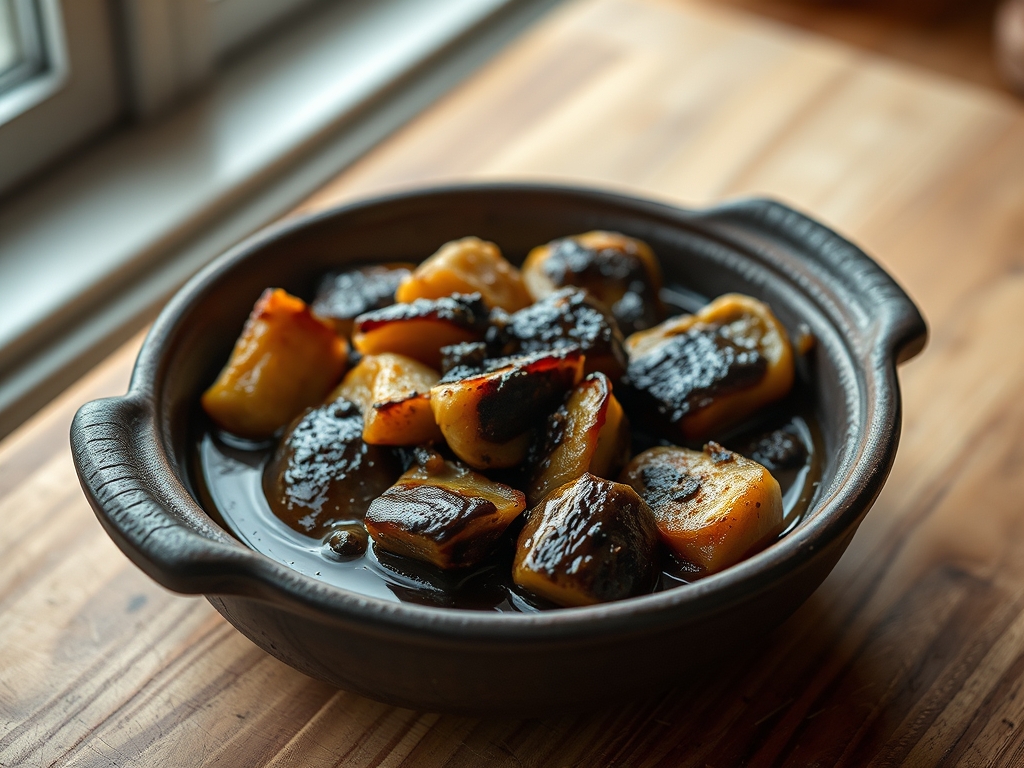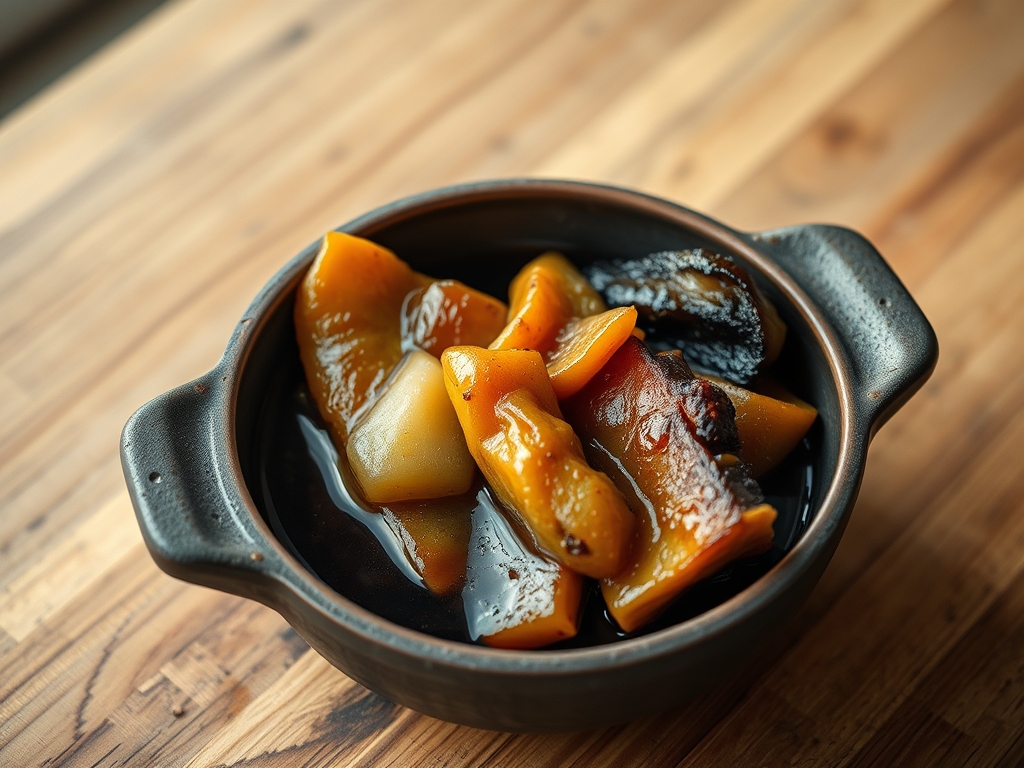
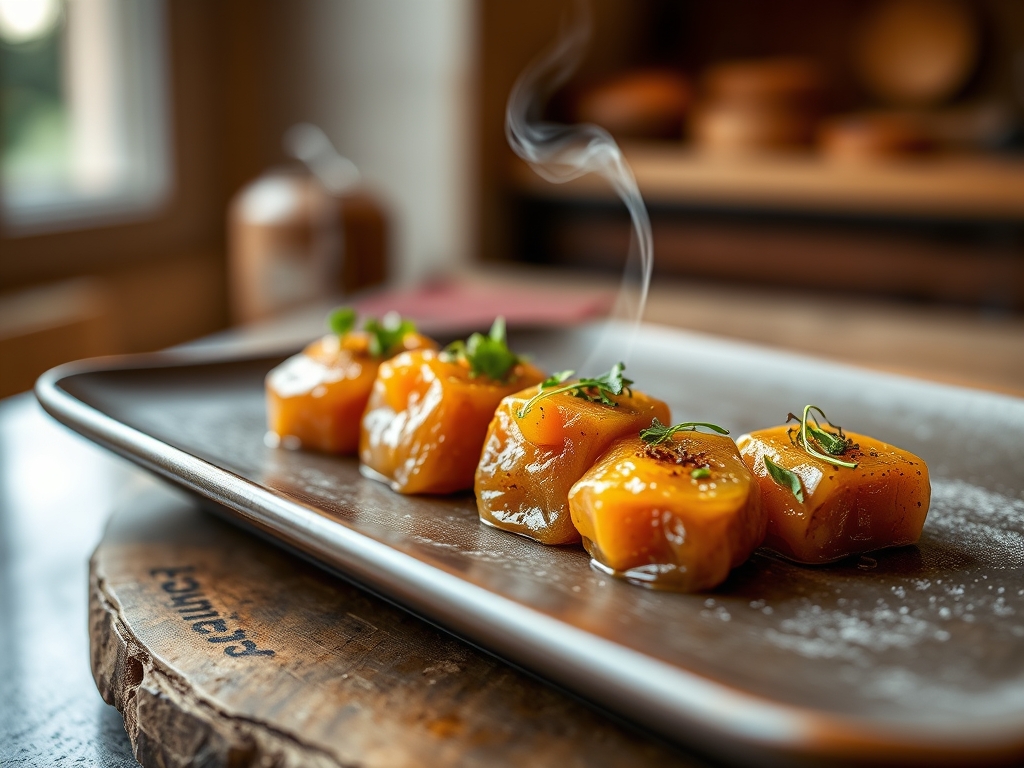
Imagine a concentrated brick of oceanic gold; a dense, waxy monolith of pure umami that shatters under the knife like cold fudge. This is the zenith of Salt Cured Roe Data. We are not merely talking about food; we are auditing the structural transformation of lipid-rich protein through the aggressive application of osmotic pressure. Whether you call it Bottarga in the Mediterranean or Karasumi in the East, the objective remains a singular pursuit of moisture extraction and enzymatic maturation. The process is a high-stakes gamble against spoilage where salt acts as the primary firewall. As an auditor of culinary infrastructure, I demand precision in the cure. We are looking for a specific translucency, a piquant aroma that suggests sun-drenched brine, and a texture that offers zero resistance to the tooth while maintaining a firm, sliceable integrity. If your roe feels like a wet sponge or a brittle rock, your data points are misaligned. We are here to calibrate the equilibrium between salt and time to ensure every gram of this cured treasure yields maximum sensory ROI.
THE DATA MATRIX
| Metric | Specification |
|---|---|
| Prep Time | 45 Minutes (Cleaning & Initial Salting) |
| Execution Time | 14 to 21 Days (Curing & Drying) |
| Yield | 70% of Initial Raw Weight |
| Complexity (1-10) | 8 (Requires constant environmental monitoring) |
| Estimated Cost per Serving | $12.00 – $18.00 (Market Dependent) |
THE GATHERS
Ingredient Protocol:
- 500g / 1.1 lbs Fresh Grey Mullet Roe Sacs (Must be intact)
- 1kg / 2.2 lbs High-Purity Sea Salt (Non-iodized)
- 100ml / 0.4 cup Extra Virgin Olive Oil (For sealing)
- 50ml / 3.5 tbsp Grappa or Rice Wine (For sterilization)
Section A: Ingredient Quality Audit:
The most frequent failure in the Salt Cured Roe Data cycle begins with the raw material. If the membrane of the roe sac is torn, the salt will penetrate too quickly; this leads to an oversalted, crumbly interior that lacks the desired viscous mouthfeel. To fix a minor tear, use a sterilized needle and food-grade thread to suture the membrane before the first salt application. If the roe smells overly "fishy" rather than like clean seawater, it has already begun oxidative rancidity. There is no fix for rot. Always source roe that is bright orange or yellow with no dark bruising. If bruising is present, use the back of a spoon to gently massage the blood toward the exit vein before curing to prevent bitter "off" notes in the final product.
THE MASTERCLASS
Step 1: The Vein Extraction and Sterilization
Before the salt touches the protein, you must clear the vascular system. Use a small bench scraper or the back of a knife to gently push any remaining blood out of the central vein toward the stem of the sac. Once cleared, rinse the sacs in the Grappa or Rice Wine. This acts as a surface antimicrobial agent.
Pro Tip: Alcohol reduces the surface tension of the membrane, allowing the salt to initiate osmosis more efficiently. This is a critical step in preventing the growth of anaerobic bacteria during the long drying phase.
Step 2: The Primary Salt Burial
In a non-reactive glass tray, create a 2cm bed of sea salt. Place the roe sacs down and cover them completely with another 2cm layer. Use a digital scale to ensure you are using at least twice the weight of the roe in salt. Place a weighted board on top to provide even pressure.
Pro Tip: The weight forces the internal moisture to the surface. This is the "rendering" of water. Without physical pressure, the center of the roe remains too hydrated, leading to internal spoilage while the outside appears cured.
Step 3: The Desiccation Cycle
After 12 to 24 hours of salting, remove the roe and rinse quickly with cold water. Pat bone-dry with lint-free towels. Place the roe on a wire rack in a cool, ventilated area (ideally 12-15 degrees Celsius). You must flip the roe every 12 hours to ensure even airflow.
Pro Tip: Use a hygrometer to monitor humidity. If the air is too dry, the exterior "case hardens," trapping moisture inside. If it is too humid, mold will bloom. Aim for 55% to 65% relative humidity for optimal enzymatic breakdown.
Step 4: The Lipid Seal
Once the roe has lost approximately 30% of its weight and feels like semi-firm clay, it is time to infuse the exterior with a light coating of olive oil. This prevents further moisture loss and creates a protective barrier against oxidation.
Pro Tip: Vacuum seal the finished product or wrap it tightly in parchment paper. This allows the internal moisture to redistribute evenly through the sac, a process known as "tempering," which ensures a consistent texture from edge to center.
Section B: Prep & Timing Fault-Lines:
Timing is the variable that most amateur auditors mismanage. If you pull the roe too early, it will be "jammy" and impossible to grate; if you leave it too long, it becomes a salt-brick. Use your digital scale as the ultimate truth. A 30% to 35% weight loss is the "Goldilocks" zone for Salt Cured Roe Data. If your kitchen temperature exceeds 20 degrees Celsius, you must move the operation to a dedicated wine fridge or a modified curing chamber. Heat accelerates lipid oxidation, which will turn your beautiful orange roe into a brown, rancid mess.
THE VISUAL SPECTRUM
Section C: Thermal & Visual Troubleshooting:
Referencing the Masterclass photo, observe the deep amber hue and the slight "glow" of the roe. This is the result of proper lipid suspension. If your roe looks dull or matte, it is likely over-salted or under-pressed. If you see white crystalline spots on the surface, do not panic; this is usually salt precipitation, not mold. Wipe it with a cloth dipped in white wine. However, if you see fuzzy green or black spots, the structural integrity has been compromised by high humidity; discard the batch immediately. To achieve the deglaze effect when serving, ensure the roe is at room temperature before grating over hot pasta; the heat will slightly melt the fats, creating a self-emulsifying sauce.
THE DEEP DIVE
Macro Nutrition Profile:
Salt cured roe is a nutritional powerhouse of healthy fats and concentrated protein. Per 30g serving, expect approximately 110 calories, 8g of fat (primarily Omega-3 fatty acids), and 10g of protein. The sodium content is high, often exceeding 800mg per serving, so it should be treated as a seasoning rather than a primary protein source.
Dietary Swaps:
- Vegan: There is no direct molecular equivalent for the complex lipids of roe. However, a "Dehydrated Miso-Tomato" block can mimic the umami and salt profile.
- Keto/GF: Naturally compatible. It is the ultimate keto "parmesan" replacement for those avoiding dairy.
Meal Prep & Reheating Science:
Never reheat the roe directly. High heat will render the delicate oils and turn the flavor bitter and metallic. To maintain the molecular structure, always grate the roe over a finished dish at the very last second. For storage, keep the block whole; only grate what you need. A whole block will last 6 months in the fridge if kept dry and sealed.
THE KITCHEN TABLE
How do I know if it is done?
Use the "Finger Press" test. The roe should feel like a firm eraser. If your finger leaves a permanent indentation, it needs more drying time. If it feels like wood, it is over-cured but still usable for fine grating.
Can I use frozen roe?
Yes, but the cell walls may be damaged by ice crystals. Ensure the roe is thawed completely in the fridge and patted extremely dry before beginning the salt cure to prevent a mushy final texture.
Why is my Bottarga bitter?
Bitterness usually stems from blood left in the veins or using salt with high mineral impurities. Ensure you "milk" the veins thoroughly during the prep phase and use high-quality, pure sea salt for the cure.
What is the best way to serve it?
Thinly shaved over a simple spaghetti with olive oil, garlic, and lemon zest. The heat of the pasta will aerate the volatile aromatic compounds, releasing the full spectrum of the Salt Cured Roe Data.