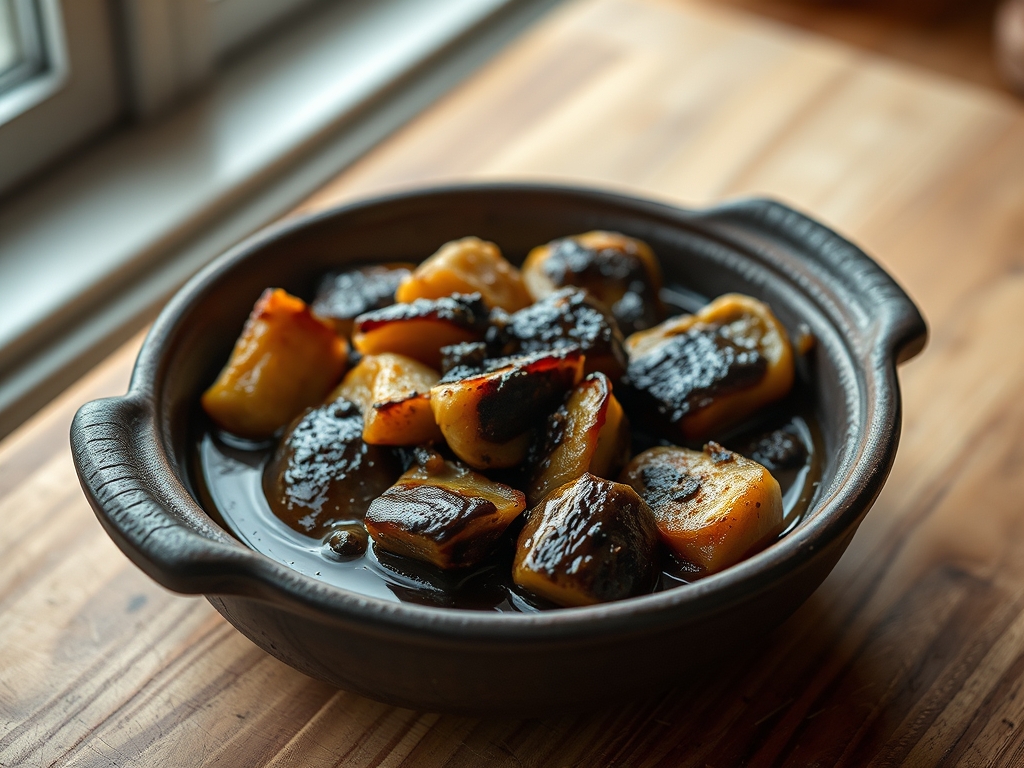
Forget the romanticized notion of a backyard grill session; we are entering the realm of high-stakes atmospheric chemistry. When you introduce an Espresso Steak Rub to a high-quality protein, you are not just seasoning meat. You are initiating a complex sequence of polyphenol layering and controlled carbonization. The goal is a crust so dark and structural that it mimics the obsidian surface of a cooling volcanic flow, yet yields to a center that remains a vibrant, edge-to-edge medium-rare. Coffee provides more than just a bitter profile; its natural acidity acts as a molecular tenderizer, breaking down stubborn muscle fibers while the fine grounds provide a massive surface area for the Maillard reaction to accelerate. We are hunting for that specific, viscous mouthfeel where the fat from a ribeye emulsifies with the roasted bean particulates. This is not for the faint of heart or the poorly calibrated. If you are ready to audit your culinary infrastructure and push your palate into the dark, bitter, and savory spectrum, then let us begin the extraction.
THE DATA MATRIX
| Metric | Specification |
|---|---|
| Prep Time | 15 Minutes |
| Execution Time | 20 Minutes |
| Yield | 4 Servings |
| Complexity | 7/10 |
| Estimated Cost per Serving | $18.50 |
THE GATHERS
Ingredient Protocol:
- 4 (approx. 450g / 16 oz) Prime Ribeye Steaks, 1.5 inches thick
- 60g / 0.5 cup Finely Ground Espresso (dark roast)
- 30g / 2 tbsp Smoked Paprika
- 30g / 2 tbsp Dark Brown Sugar (packed)
- 15g / 1 tbsp Ancho Chili Powder
- 15g / 1 tbsp Coarse Kosher Salt
- 10g / 2 tsp Freshly Cracked Black Pepper
- 5g / 1 tsp Garlic Powder
- 60ml / 4 tbsp Neutral High-Smoke Point Oil (Avocado or Grapeseed)
- 60g / 4 tbsp Unsalted Grass-fed Butter
- 3 Sprigs Fresh Thyme
Section A: Ingredient Quality Audit:
The most common failure point in this protocol is the grind size of the coffee. If your grounds are too coarse, they will fail to infuse with the rendered fat and instead create a gritty, unpleasant texture reminiscent of beach sand. If your coffee is pre-ground and stale, the volatile oils have already oxidized, leaving you with a flat, dusty flavor. Technical Fix: Use a burr grinder set to a "Fine" or "Espresso" setting. If your spices are over six months old, they have lost their piquant punch. Toast your dry spices in a small saucier for 60 seconds before mixing to reactivate the essential oils. Finally, ensure your steak is at room temperature; a cold core is the enemy of an even thermal gradient.
THE MASTERCLASS
1. The Desiccation Phase
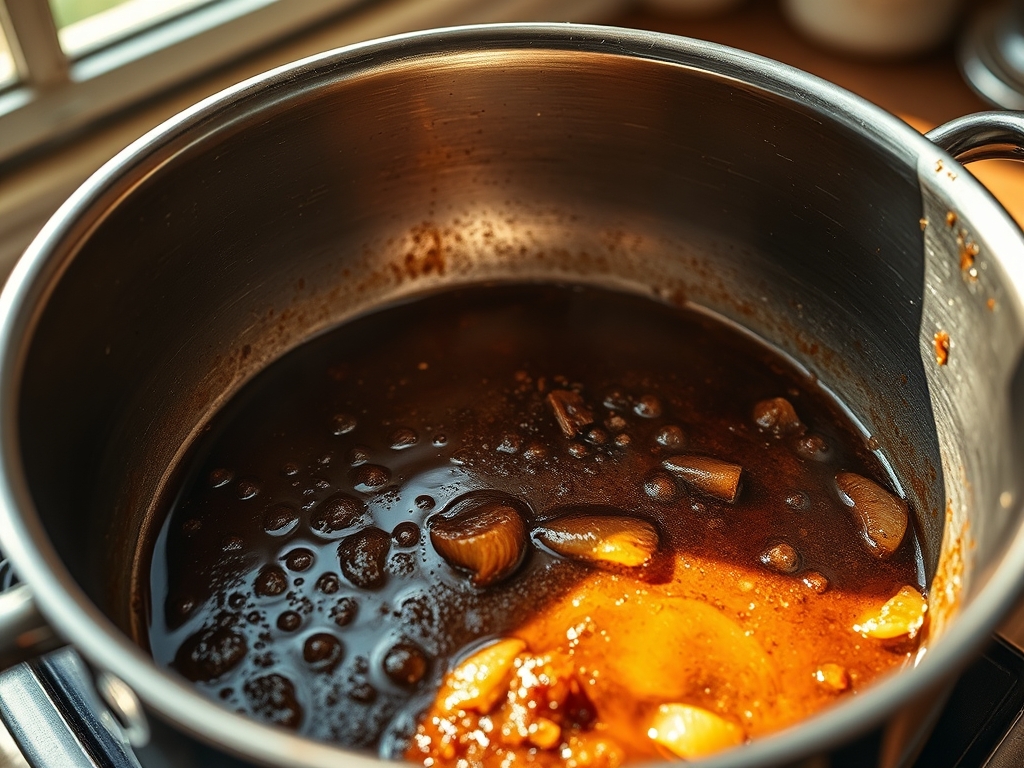
Pat the steaks dry with industrial-grade paper towels until the surface is completely devoid of moisture. Moisture is the enemy of the crust; it creates steam, and steam prevents the Espresso Steak Rub from adhering to the protein fibers. Use a bench scraper to move the steaks to a clean wire rack.
Pro Tip: Salt the meat 45 minutes prior to cooking. This allows the salt to draw out moisture, dissolve into a brine, and then be reabsorbed into the muscle via osmosis, seasoning the interior.
2. Constructing the Rub Matrix
In a stainless steel mixing bowl, combine the espresso, paprika, sugar, chili powder, salt, pepper, and garlic. Use a whisk to aerate the mixture, ensuring there are no clumps of brown sugar. The sugar is vital here; it provides the fuel for caramelization that balances the bitter coffee notes.
Pro Tip: Use a digital scale to measure your rub ingredients by weight rather than volume. Volumetric measurements are notoriously inaccurate due to the settling of powders.
3. The Application Protocol
Coat the steaks generously with the rub. Do not just sprinkle; press the mixture into the meat with the palm of your hand to ensure maximum contact. The rub should form a thick, dark "bark" on all sides, including the fat cap.
Pro Tip: Let the rubbed steaks sit for 10 minutes. The salt in the rub will draw out just enough protein-rich moisture to create a "glue" that locks the espresso grounds in place during the sear.
4. Thermal Execution
Heat a heavy cast-iron skillet over high heat until it reaches 450 degrees Fahrenheit. Add the high-smoke point oil. Carefully lay the steaks away from you to avoid splashing. Sear for 3 to 4 minutes per side without moving them. You are looking for a charred, blackened appearance that is not actually burnt, but deeply caramelized.
Pro Tip: Use an infrared thermometer to verify pan temperature. If the pan is under 400 degrees, the sugar in the rub will liquefy and run off instead of forming a crust.
5. The Butter Baste (Arrosage)
Reduce heat to medium. Add the butter and thyme sprigs to the pan. Once the butter foams, tilt the pan and use a large spoon to continuously drench the steaks in the hot, herb-infused fat for the final 2 minutes of cooking.
Pro Tip: This technique, known as arrosage, ensures the coffee grounds are fully saturated with fat, which rounds out the bitterness and adds a luxurious, viscous finish to the crust.
6. The Structural Rest
Remove the steaks from the pan and place them on a warm plate. Do not tent them tightly with foil, as this will trap steam and soften your hard-earned crust. Let them rest for at least 8 to 10 minutes.
Pro Tip: During the rest, the internal pressure of the meat drops, allowing the juices to redistribute. If you cut too early, you lose the emulsified fats and moisture to the cutting board.
Section B: Prep & Timing Fault-Lines:
The most frequent human error is "The Panic Flip." If you move the steak before the proteins have properly denatured and the sugars have caramelized, the rub will stick to the pan instead of the meat. If you notice the rub is smoking excessively or smelling acrid, your heat is too high; immediately add a cold knob of butter to the pan to drop the temperature. Another common fault is neglecting the edges. Use tongs to hold the steak upright and render the fat cap against the hot iron for at least 60 seconds.
THE VISUAL SPECTRUM
Section C: Thermal & Visual Troubleshooting:
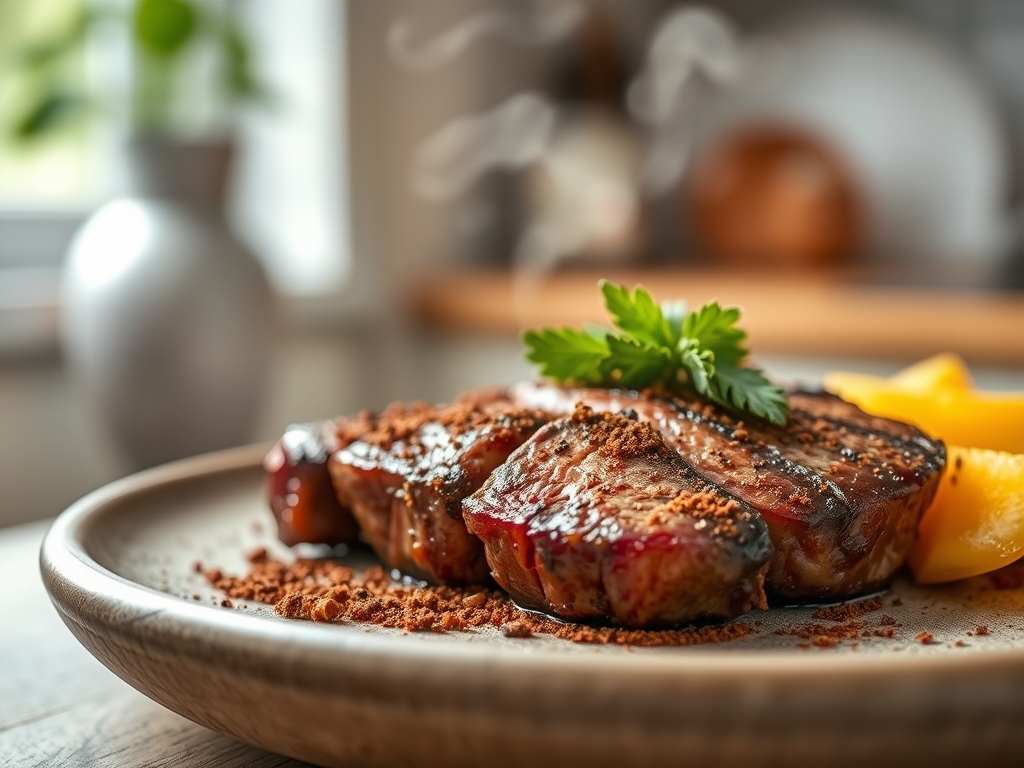
Look closely at the Masterclass photo. The crust should be a matte, dark chocolate brown with highlights of deep red from the paprika. If your steak looks grey or "wet," you either overcrowded the pan or failed to dry the meat sufficiently. If the crust is flaking off in large chunks, you didn't press the rub in firmly enough or the meat was too cold. The interior should show a sharp contrast; a thin "grey band" of overcooked meat near the surface indicates the heat was too low and the steak sat in the pan too long. A perfect audit results in a 2mm charred crust followed by a uniform pink center.
THE DEEP DIVE
Macro Nutrition Profile:
A standard 450g serving provides approximately 980 calories, 65g of protein, and 72g of fat. The carbohydrate count remains low (approx. 8g) despite the brown sugar, as much of it remains in the pan or is charred into the crust.
Dietary Swaps:
- Vegan: Apply the rub to thick-cut "steaks" of cauliflower or lion's mane mushrooms. Use vegan butter and avocado oil for the sear.
- Keto: Replace the dark brown sugar with a monk fruit-based gold sweetener to maintain the caramelization properties without the glycemic load.
- GF: This recipe is naturally gluten-free, but ensure your espresso and spices are processed in a certified GF facility to avoid cross-contamination.
Meal Prep & Reheating Science:
To maintain the molecular structure, do not microwave. Reheat in a 300 degree Fahrenheit oven until the internal temperature reaches 110 degrees. This prevents the fat from "leaking" out of the protein matrix and preserves the integrity of the espresso crust.
THE KITCHEN TABLE
Why use espresso instead of regular coffee?
Espresso is ground much finer than drip coffee. This creates a larger surface area for the Maillard reaction and ensures the rub integrates into a smooth crust rather than feeling like grit or dirt in the mouth.
Does the caffeine survive the high heat?
Most of the caffeine remains stable at cooking temperatures. While you aren't drinking a double shot, there is a trace amount of caffeine in the crust. It is negligible per serving but worth noting for the highly sensitive.
Can I use a non-stick pan?
Absolutely not. Non-stick coatings are not designed for the high-intensity heat required to render fat and char the espresso rub. They can release toxic fumes at these temperatures. Stick to cast iron or stainless steel.
My rub turned out bitter and sour. What happened?
You likely used a light-roast coffee, which has higher acidity. For this protocol, a dark, oily roast is required. The bitterness should be balanced by the brown sugar and the richness of the ribeye's intramuscular fat.