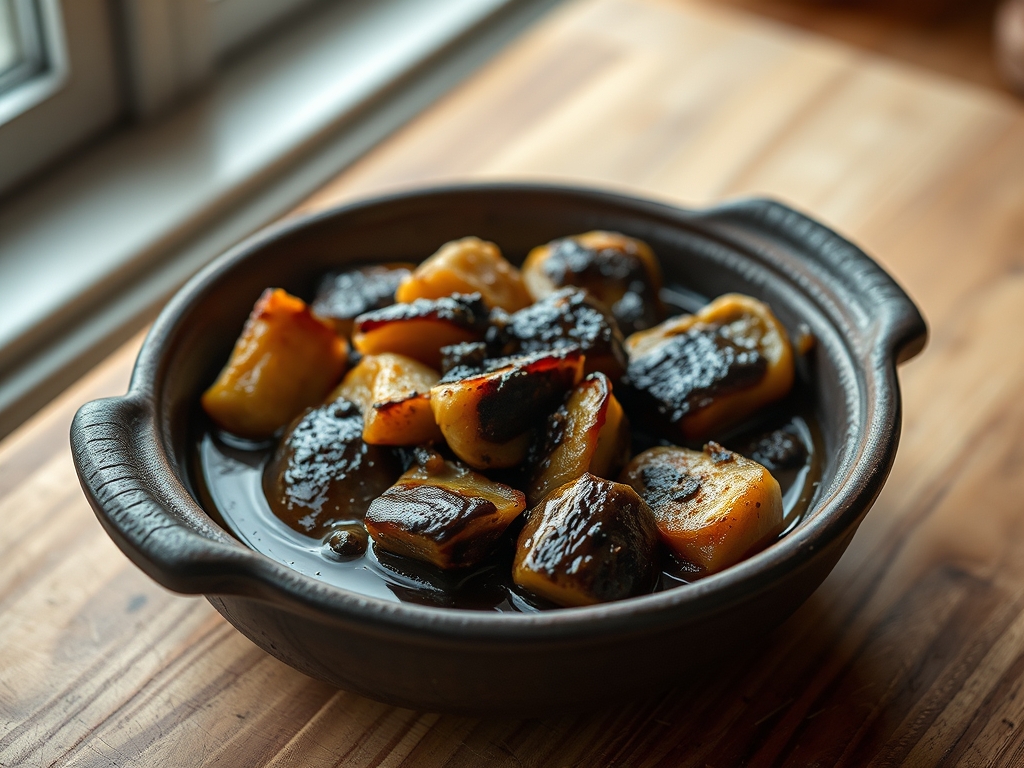
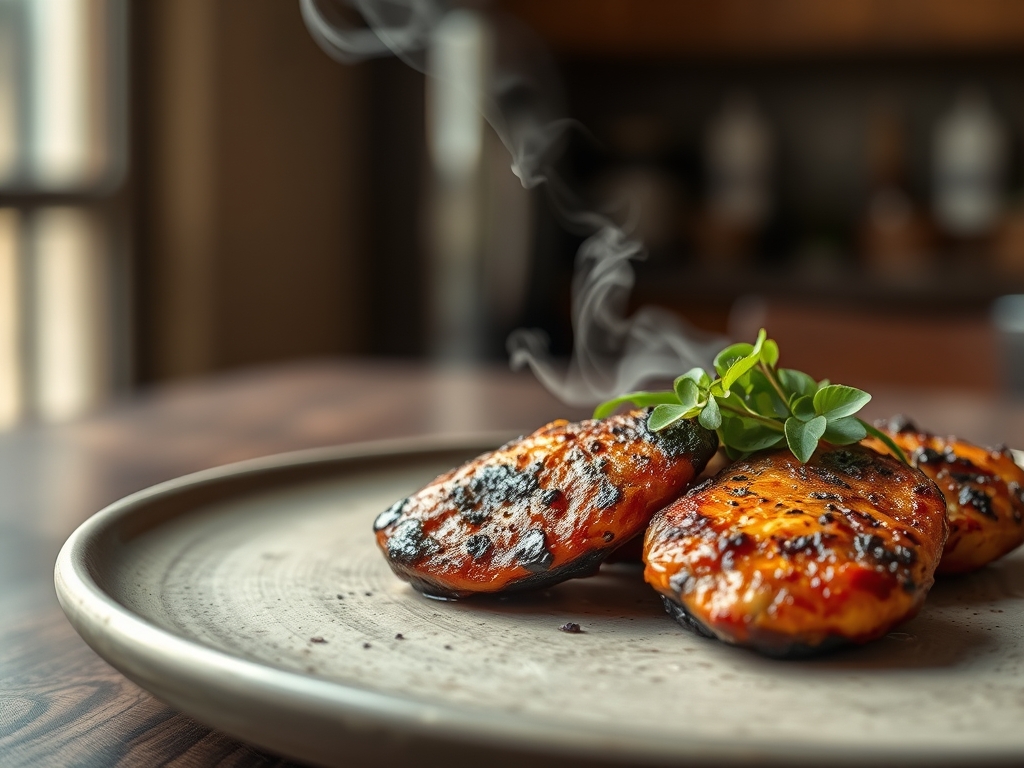
The kitchen is a battlefield of thermodynamics; the smell of scorched spices and rendering lipids is your victory march. We are not merely grilling a breast of poultry; we are initiating a high-velocity thermal event known as Blackened Chicken Tech. This is the art of the intentional char. It requires a cast iron surface screaming at five hundred degrees Fahrenheit and a protein substrate coated in a sacrificial layer of butter and piquant aromatics. When the flesh hits the metal, the Maillard reaction does not just occur; it accelerates into overdrive. You are looking for that precise moment where the milk solids in the butter carbonize alongside the paprika and cayenne to create a crust that is dark as midnight but tastes like a smoky, complex sunrise. If you do not see a plume of spice-infused steam rising to the rafters, you are not cooking; you are merely warming things up. This is infrastructure-grade culinary execution designed for those who demand maximum flavor density and a texture that snaps before it melts.
THE DATA MATRIX
| Metric | Specification |
|---|---|
| Prep Time | 15 Minutes |
| Execution Time | 8 Minutes |
| Yield | 4 Servings |
| Complexity (1-10) | 7 |
| Estimated Cost per Serving | $4.50 |
THE GATHERS
Ingredient Protocol:
- 4 (approx. 700g / 1.5 lbs) Chicken Breasts, butterflied for uniform thickness.
- 115g / 0.5 cup Unsalted Butter, clarified or high-quality European style.
- 15g / 2 tbsp Smoked Paprika (Pimenton).
- 10g / 1.5 tbsp Onion Powder.
- 10g / 1.5 tbsp Garlic Powder.
- 5g / 1 tsp Cayenne Pepper (adjust for piquant intensity).
- 5g / 1 tsp Dried Oregano.
- 5g / 1 tsp Dried Thyme.
- 10g / 2 tsp Kosher Salt.
- 5g / 1 tsp Cracked Black Pepper.
Section A: Ingredient Quality Audit:
The primary failure point in Blackened Chicken Tech is the use of "woody" chicken breasts or damp spices. If your poultry feels unnaturally firm or rubbery before cooking, it likely suffers from white striping or woody breast syndrome; a structural defect in intensive farming. To fix this, use a meat mallet to break down the tough connective tissue or opt for air-chilled organic birds. If your spice blend is clumping, it has absorbed ambient moisture and will steam rather than sear. To rectify this, toast the spices briefly in a dry saucier over low heat to drive off moisture before applying them to the protein. Finally, if using standard butter instead of clarified butter, be aware that the water content (roughly 15 percent) will cause splattering. Pat the chicken excessively dry with paper towels to ensure the butter-spice emulsion adheres to the surface rather than sliding off into a greasy pool.
THE MASTERCLASS
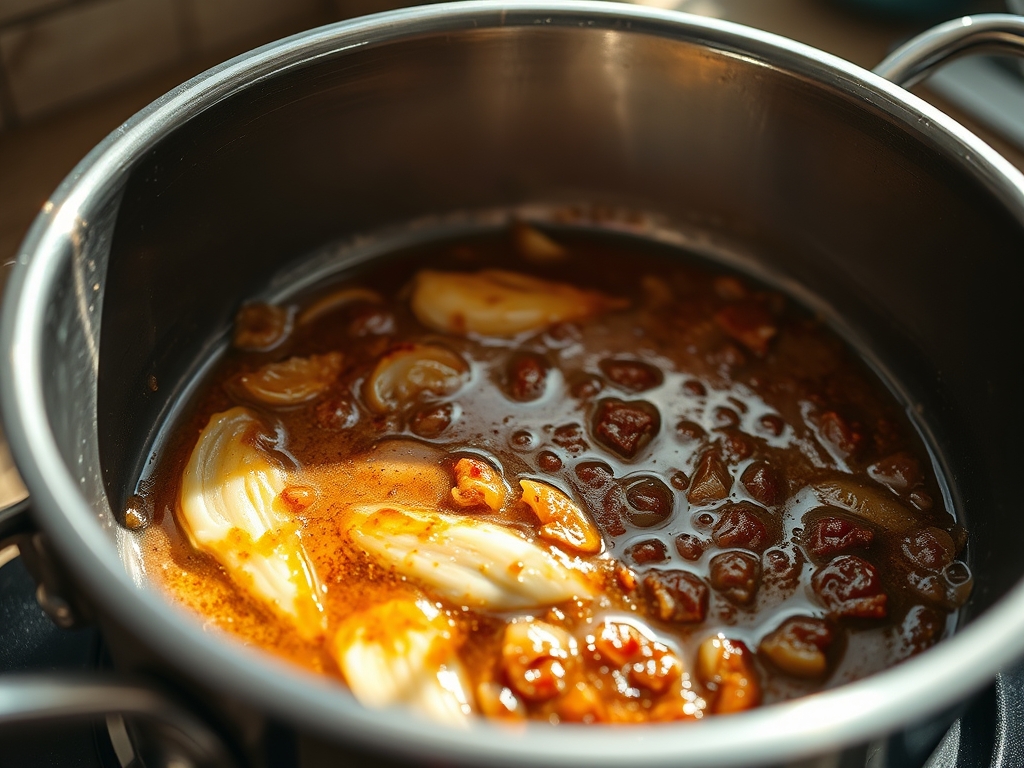
Step 1: Thermal Calibration and Surface Prep
Place a heavy-bottomed cast iron skillet over high heat for at least five minutes. While the iron absorbs energy, use a digital scale to weigh out your spices, ensuring a precise ratio for consistent flavor profiles. Butterfly the chicken breasts to a uniform thickness of 1.5cm.
Pro Tip: Uniform thickness is the secret to simultaneous internal and external perfection. A bench scraper can be used to clean your workstation of any stray protein fibers, ensuring a sterile and efficient environment for the spice application.
Step 2: The Lipid Barrier and Spice Infusion
Melt the butter in a small bowl. Dip each chicken breast into the butter, then dredge heavily through the spice mixture. You are creating a viscous paste that acts as a thermal shield. This layer will render and char, protecting the delicate proteins inside from drying out.
Pro Tip: The butter acts as a surfactant, allowing the fat-soluble compounds in the paprika and cayenne to infuse directly into the surface of the meat. This creates a more robust flavor than dry-rubbing alone.
Step 3: High-Velocity Searing
Lay the chicken into the white-hot skillet away from your body. Do not crowd the pan; overcrowding drops the surface temperature and leads to boiling rather than searing. Cook for 3 to 4 minutes per side. The goal is a dark, mahogany crust that appears almost burnt but remains aromatic.
Pro Tip: Use a heavy stainless steel press to ensure maximum surface contact between the poultry and the iron. This maximizes the Maillard reaction across the entire topography of the meat.
Step 4: Internal Temperature Verification
Use a high-quality digital probe thermometer to check for an internal temperature of 165F (74C). Once reached, immediately remove the chicken from the heat and let it rest on a wire rack for five minutes.
Pro Tip: Resting allows the muscle fibers to relax and reabsorb the internal juices. If you cut it immediately, the moisture will evacuate, leaving you with a dry, fibrous result.
Section B: Prep & Timing Fault-Lines:
The most common human error is "pan panic." When the spice-heavy butter hits the iron, it will produce a significant amount of smoke. Many home cooks lower the heat prematurely, which results in a soggy, grey coating rather than a crisp black crust. Ensure your ventilation is at maximum capacity and trust the process. Another fault-line is the "cold start." If the chicken is taken directly from the refrigerator to the pan, the exterior will char before the interior reaches safety. Temper your meat at room temperature for 20 minutes before execution. If the crust is darkening too quickly, move the skillet to a preheated 400F oven to finish the internal cook without further carbonizing the exterior.
THE VISUAL SPECTRUM
Section C: Thermal & Visual Troubleshooting:
Referencing the Masterclass photo, your target visual is a deep, textured "bark" that shows variations of dark brown and charcoal black. If your chicken looks pale or orange, your pan temperature was too low; the spices did not undergo carbonization. If the surface looks "muddy" or wet, you used too much butter or failed to pat the chicken dry. A perfect sear will show distinct, raised ridges where the spices have fused into a solid crust. If the meat appears shredded or jagged, your knife was dull during the butterflying stage; use a freshly honed boning knife for clean, aerodynamic cuts. If the colors are dull, aerate your spice mix before application to ensure the powders are not packed too tightly, which prevents even heat distribution.
THE DEEP DIVE
Macro Nutrition Profile:
A single serving of this infrastructure-grade poultry provides approximately 350 calories, 45g of protein, 18g of fat (primarily from the butter coating), and 2g of carbohydrates. It is a high-density protein source perfect for metabolic recovery.
Dietary Swaps:
- Vegan: Replace the chicken with thick-cut cauliflower steaks or firm tofu. Substitute the butter with avocado oil or a high-smoke-point vegan butter alternative.
- Keto/GF: This recipe is naturally keto-friendly and gluten-free, provided your spices do not contain anti-caking agents like cornstarch.
Meal Prep & Reheating Science:
To maintain the molecular structure during reheating, avoid the microwave, which turns the crust into a rubbery film. Instead, use an air fryer at 350F for 4 minutes. This re-activates the fats in the crust, restoring the "snap" of the blackening while gently warming the interior.
THE KITCHEN TABLE
Why is my chicken dry despite the crust?
You likely overshot the internal temperature or failed to butterfly the meat. Thick breasts require too much time on the heat to cook through, causing the outer layers to lose all moisture before the center is safe.
Can I do this on a non-stick pan?
Absolutely not. High-velocity blackening requires temperatures that will degrade non-stick coatings, releasing toxic fumes. Stick to cast iron or heavy stainless steel to ensure the structural integrity of both the pan and your lungs.
What is the best way to deglaze the pan?
After the final batch, deglaze the hot iron with a splash of chicken stock or white wine. Use a wooden spoon to scrape up the fond (browned bits). This creates a potent base for a piquant pan sauce.
Why does my spice mix taste bitter?
Bitterness occurs if the spices are actually burnt rather than charred. This usually happens if you use dried herbs with high chlorophyll content, like parsley. Stick to the woody herbs like thyme and oregano for better thermal resistance.