Close your eyes and prepare for a sensory assault that bypasses the logic centers of your brain and heads straight for the primitive core of desire. We are not just cooking; we are orchestrating a high-stakes chemical theater where the leading actor is the elusive, earthy, and unapologetically pungent fungus. Black Truffle Risotto is the gold standard of culinary saturation. It is a dish that demands respect for the laws of physics and the patience of a diamond cutter. If you fail to respect the starch, you end up with a bowl of wallpaper paste. If you disrespect the truffle, you have wasted a king's ransom on a scent that evaporates into the ether. We are looking for that perfect, viscous wave of rice that flows across the plate like molten lava, carrying with it the musky, pheromonal weight of the forest floor. This is an audit of your skill, your patience, and your ability to manage heat at a molecular level. Strap in.
THE DATA MATRIX
| Metric | Specification |
|---|---|
| Prep Time | 20 Minutes |
| Execution Time | 30 Minutes |
| Yield | 4 Servings |
| Complexity | 8 / 10 |
| Estimated Cost per Serving | $18.00 – $25.00 |
THE GATHERS
Ingredient Protocol:
- 320g / 1.5 cups Acquerello or Carnaroli Rice
- 1.2L / 5 cups Organic Chicken or Mushroom Stock (low sodium)
- 120ml / 0.5 cup Dry White Wine (Pinot Grigio or Sauvignon Blanc)
- 60g / 4 tbsp Unsalted High-Fat Butter (chilled and cubed)
- 50g / 0.5 cup Parmigiano Reggiano (aged 24 months, finely grated)
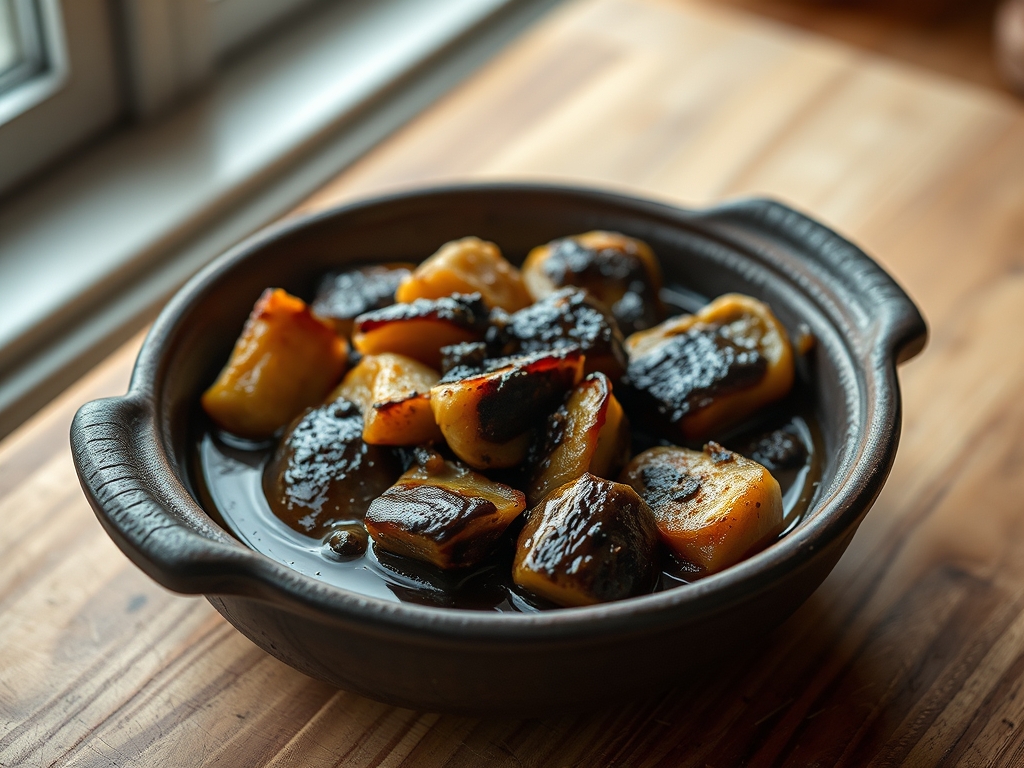
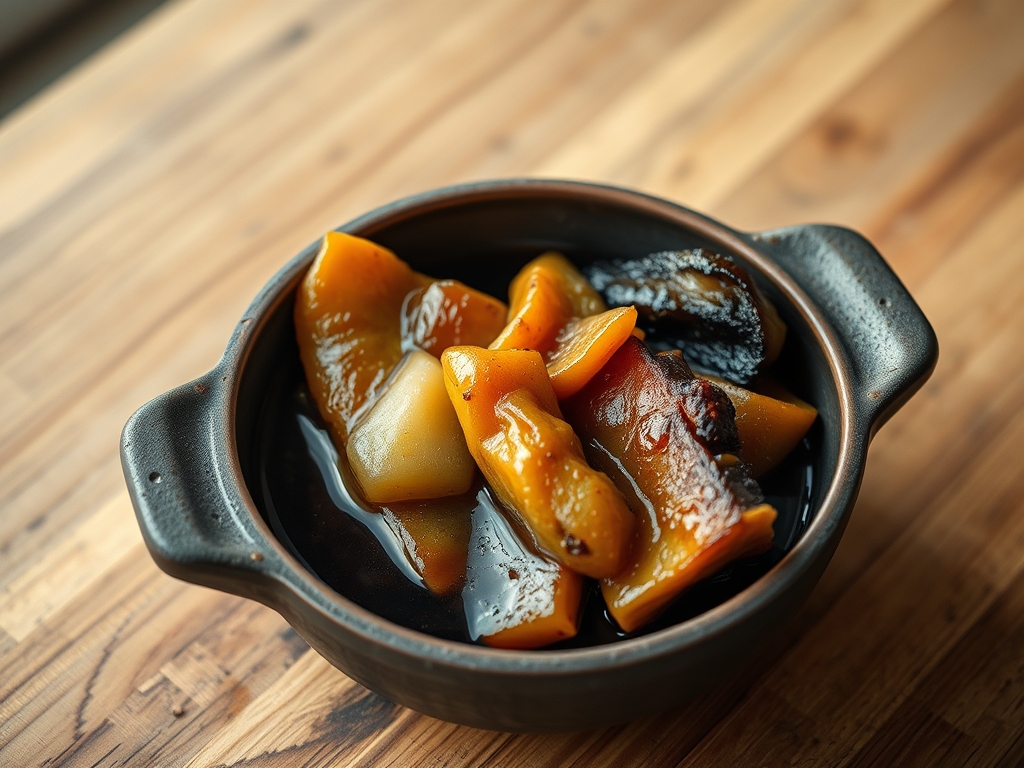
- 20g / 0.7 oz Fresh Black Winter Truffle (or high-quality truffle carpaccio)
- 2 Large Shallots (minced to a fine brunoise)
- 30ml / 2 tbsp Extra Virgin Olive Oil
- 5g / 1 tsp Maldon Sea Salt
- 2g / 0.5 tsp Freshly Cracked White Pepper
Section A: Ingredient Quality Audit:
The most common failure point in Black Truffle Risotto is the rice selection. Using Arborio is acceptable for amateurs, but the amylopectin structure in Carnaroli is superior for maintaining an al dente core while producing a luxurious creaminess. If your rice feels chalky, your stock temperature was likely too low, preventing the starch from gelatinizing correctly. If your truffles lack aroma, they have likely been exposed to oxygen for too long. Technical fix: Never use "truffle oil" that contains 2,4-dithiapentane; it is a synthetic lie. Instead, infuse your butter with truffle peelings 24 hours in advance to lock in the volatile aromatic compounds.
THE MASTERCLASS
1. The Stock Stabilization
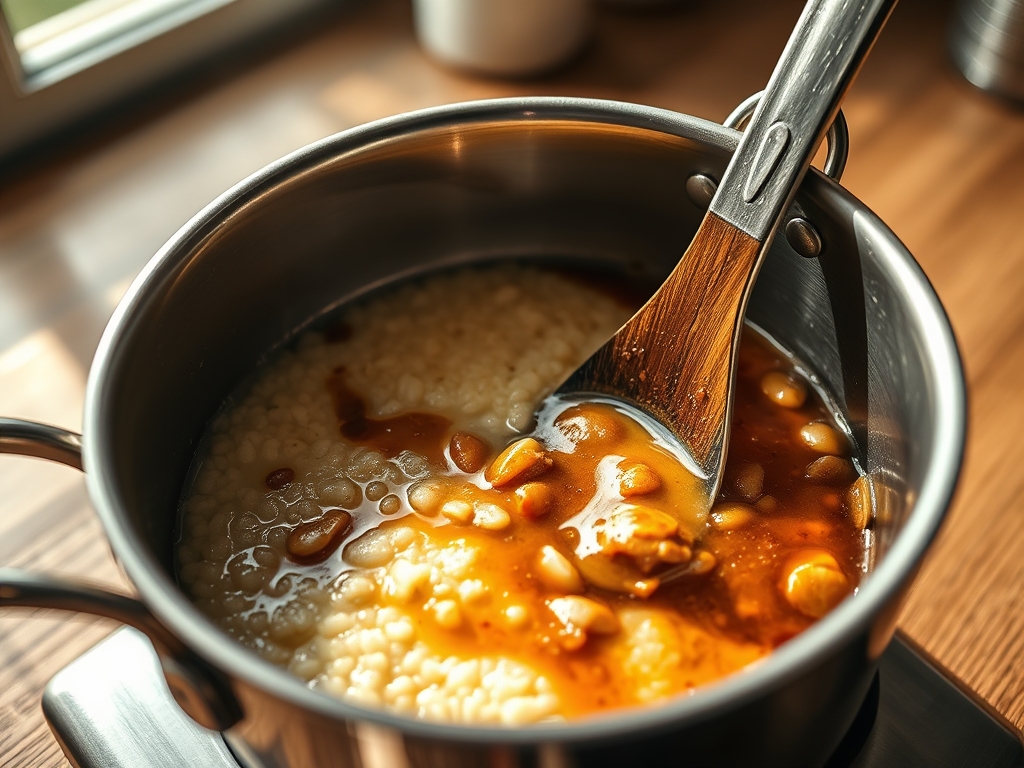
Bring your stock to a gentle simmer in a dedicated saucepan. It must remain just below the boiling point throughout the entire process. Cold stock is the enemy of the starch grain; adding it will shock the rice and stop the cooking process, leading to a broken texture.
Pro Tip: Use a digital probe thermometer to ensure the stock stays at a constant 85C (185F). This maintains the thermal mass of the rice without scorching the delicate proteins in the liquid.
2. The Soffritto and Tostatura
Heat your olive oil in a heavy-bottomed saucier. Sauté the shallots until translucent but not browned. Increase the heat and add the rice. This is the "tostatura" phase. You are toasting the exterior of the grain to create a protective shell that prevents the rice from exploding into mush.
Pro Tip: Use a silicone spatula or wooden spoon to feel the rice. When the grains are too hot to touch and smell slightly nutty, they are toasted. This step ensures the rice maintains its structural integrity during the long hydration process.
3. The Deglaze and Hydration
Pour in the white wine to deglaze the pan. Use the acidity of the wine to scrape up any sugars from the shallots. Once the wine has been fully absorbed, begin adding the stock one ladle at a time. Stir constantly. The mechanical action of stirring rubs the starch off the surface of the rice, creating the signature sauce.
Pro Tip: Do not drown the rice. The liquid should just barely cover the grains. Constant agitation with a saucier's rounded edges ensures no grains get trapped in the corners and overcook.
4. The Mantecatura (The Finish)
When the rice is al dente, remove it from the heat. This is the most critical phase. Add the chilled butter and the grated cheese. Vigorously beat the mixture to aerate the fats and create an emulsion with the remaining starchy liquid. This is what creates the "all'onda" (wavy) effect.
Pro Tip: Shave half of your black truffle directly into the rice during this phase. The residual heat will infuse the fats with the truffle's aroma without destroying the delicate flavor molecules through over-boiling.
Section B: Prep & Timing Fault-Lines:
Timing is the difference between a Michelin-star result and a cafeteria side dish. If you find your risotto is tightening up too quickly on the plate, you have over-reduced the liquid. The "carry-over" cooking will continue for 2 to 3 minutes after it leaves the pan. Technical fix: Always add one final splash of stock right before serving to ensure the dish remains fluid. If your shallots are crunchy, your knife skills failed you; use a bench scraper to clear your board and ensure a microscopic brunoise for instant softening.
THE VISUAL SPECTRUM
Section C: Thermal & Visual Troubleshooting:
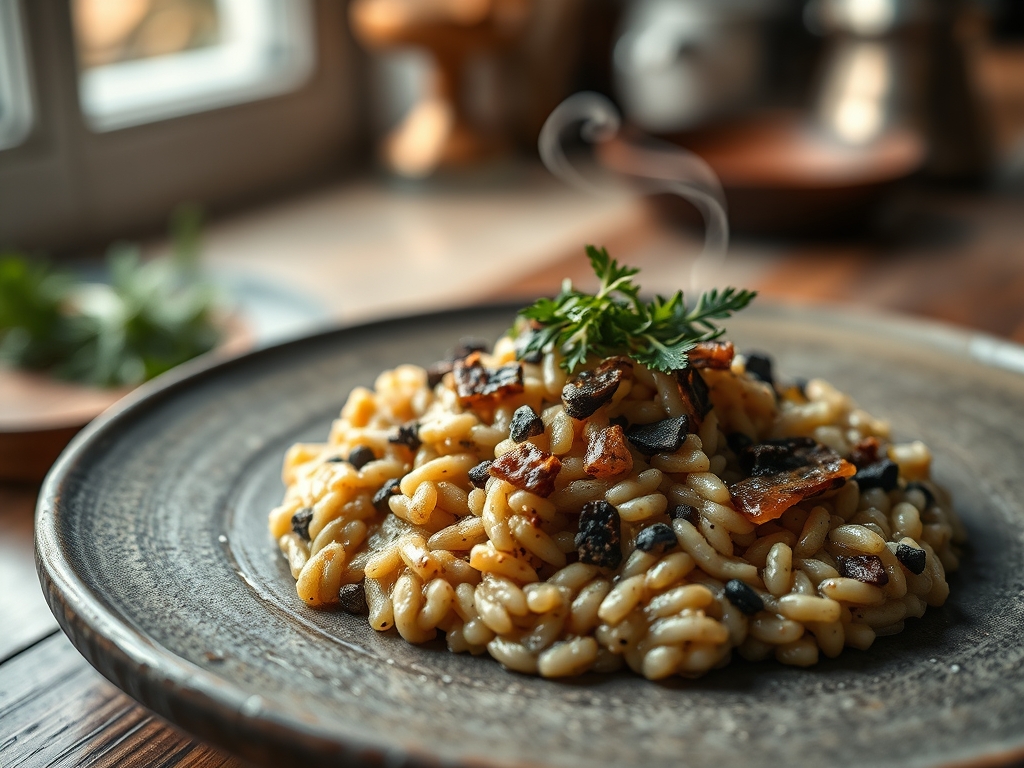
Referencing the Masterclass photo, your Black Truffle Risotto should exhibit a pale, creamy ivory hue contrasted by the dark, obsidian flecks of the truffle. If the dish looks grey, you likely used a low-quality truffle paste or over-cooked the truffles in the early stages. If the rice looks dry and stands in a heap rather than spreading, the emulsion has broken or the starch-to-liquid ratio is off. To fix a dull appearance, a final drizzle of high-polyphenol olive oil can provide a reflective sheen that catches the light. The grains should be visible and distinct, not submerged in a soup, yet connected by a viscous, glossy veil of sauce.
THE DEEP DIVE
Macro Nutrition Profile:
A standard serving of Black Truffle Risotto is calorically dense, primarily driven by complex carbohydrates and fats. Expect approximately 450-550 calories per serving, with 12g of protein, 22g of fat, and 65g of carbohydrates. The glycemic index is moderated by the fat content of the butter and cheese, providing a slower energy release than plain white rice.
Dietary Swaps:
- Vegan: Replace butter with a high-quality cashew cream and use a nutritional yeast-based "parmesan" substitute. Ensure the stock is a rich, roasted vegetable broth.
- Keto: This is a high-carb dish by nature. For a keto-friendly version, utilize riced cauliflower, though the starch-driven emulsion (the heart of the dish) will be absent. Increase fats via heavy cream.
- Gluten-Free: Naturally gluten-free, provided your stock is certified and not thickened with flour.
Meal Prep & Reheating Science:
Risotto is notoriously difficult to reheat because the starch continues to absorb moisture as it cools, turning the dish into a solid block. To revive it, add a splash of water or stock to a pan over low heat. Use a whisk to gently break up the rice and re-emulsify the fats. Never microwave on high power; the uneven heating will cause the butter to separate and leave you with a greasy mess.
THE KITCHEN TABLE
Why is my risotto gummy?
You likely over-stirred or used a rice grain with too much surface starch. Rinsing the rice is a cardinal sin here; you need that surface starch for the sauce, but too much agitation at high heat creates a glue-like consistency.
Can I use truffle oil instead of fresh truffles?
Technically yes, but the flavor profile will be one-dimensional and chemical. If fresh is unavailable, use a high-quality truffle butter or preserved carpaccio in oil. Avoid the cheap "scented" oils found in standard grocery aisles.
What wine pairs best with this dish?
Seek out an aged Nebbiolo or a buttery Chardonnay. The earthiness of the truffle demands a wine with either significant structural tannins or a malolactic creaminess that mirrors the texture of the rice.
How do I know the rice is perfectly cooked?
The "bite" should be firm but not "crunchy." If you smear a grain against a flat surface, there should be no white, unhydrated core visible. It should feel like a soft pasta with a distinct heart.