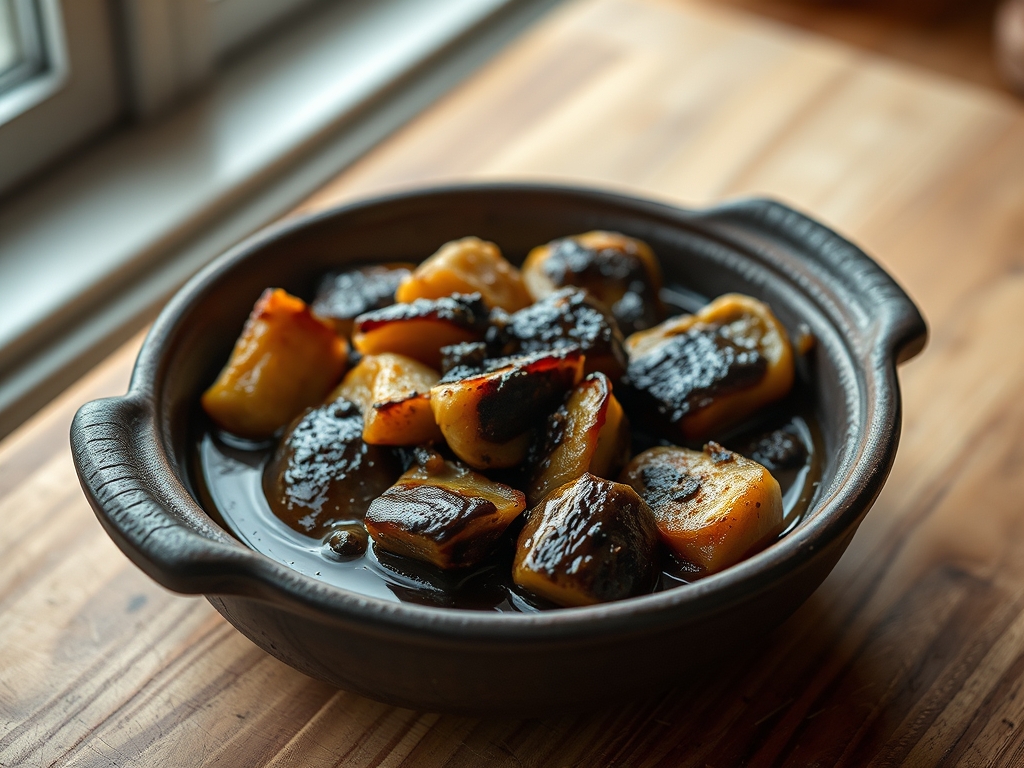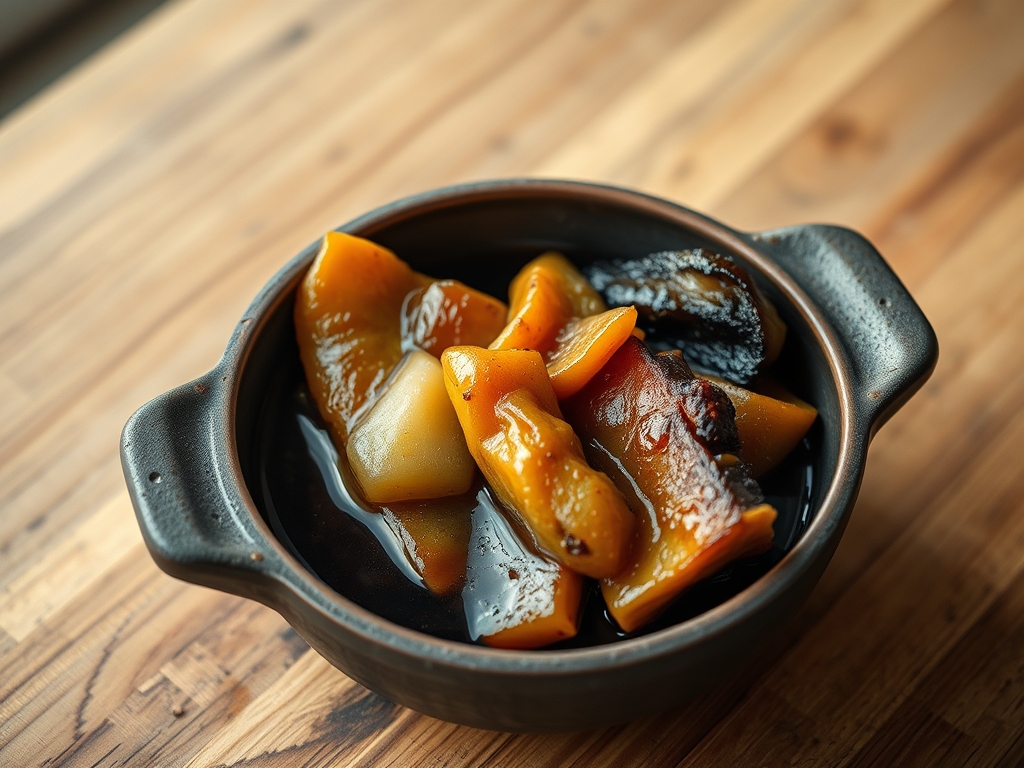
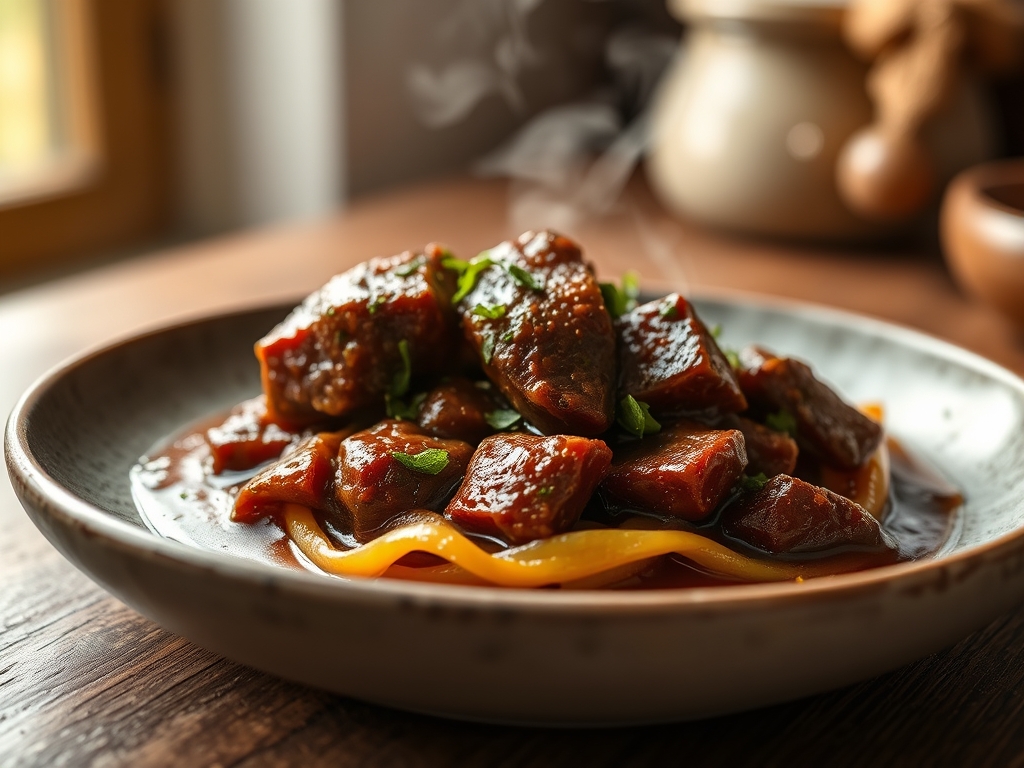
Forget everything you know about home cooking because we are entering the realm of architectural gastronomy. We are building a monument to the Maillard reaction. Braised Beef Bourguignon is not merely a stew; it is a structural masterpiece where collagen transforms into liquid gold and tannins undergo a metamorphosis into velvet. To get this right, you must think like a structural engineer and act like a chemist. We are looking for a deep, mahogany hue that borders on the obsidian. We want a sauce so viscous it coats the back of a spoon with the authority of a silk shroud. The piquant aroma of pearl onions and the earthy bass notes of sautéed mushrooms must harmonize with a red wine reduction that has been stripped of its acidity but retains its soul. This is a high-stakes operation where temperature control is your god and your heavy-bottomed Dutch oven is your sanctuary. Prepare your palate for a collision of rustic French tradition and modern culinary precision. We are about to render fat and dreams into a singular, undeniable reality.
THE DATA MATRIX
| Metric | Specification |
|---|---|
| Prep Time | 45 Minutes |
| Execution Time | 4 Hours |
| Yield | 6 Servings |
| Complexity | 8 / 10 |
| Estimated Cost per Serving | $12.50 – $15.00 |
THE GATHERS
Ingredient Protocol:
- 1.8 kg / 4 lbs Beef Chuck Roast (cut into 2-inch cubes)
- 225g / 8 oz Thick-cut Bacon or Lardon
- 750ml / 1 bottle Dry Red Burgundy (Pinot Noir)
- 500ml / 2 cups Beef Bone Broth (high gelatin content)
- 45ml / 3 tbsp Tomato Paste
- 30g / 2 tbsp All-purpose Flour
- 450g / 1 lb Carrots (peeled and diagonal cut)
- 2 Large Yellow Onions (sliced)
- 500g / 1.1 lbs Frozen Pearl Onions (thawed and patted dry)
- 500g / 1.1 lbs Cremini Mushrooms (quartered)
- 4 cloves Garlic (smashed)
- 1 Bouquet Garni (thyme, rosemary, bay leaf)
- 60g / 4 tbsp Unsalted Butter
- 15ml / 1 tbsp Extra Virgin Olive Oil
Section A: Ingredient Quality Audit:
If your beef is too lean, the result will be fibrous and dry rather than succulent. Ensure you select a chuck roast with significant intramuscular marbling. If you find your wine is too "tannic" or "oaky" after a sip, do not use it; the reduction process will concentrate those harsh flavors into a bitter mess. Use a digital scale to ensure your flour-to-fat ratio is exact. If your bone broth lacks body, fortify it with a teaspoon of unflavored gelatin to mimic the mouthfeel of a 24-hour professional stock.
THE MASTERCLASS
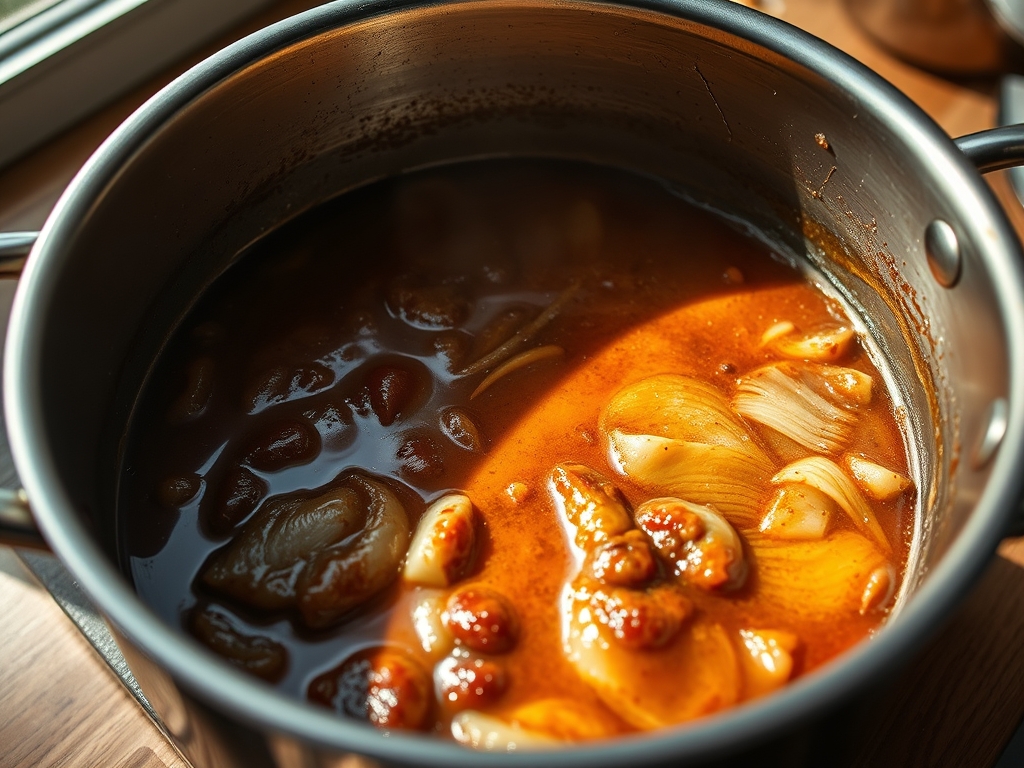
1. The Lardon Foundation
Begin by rendering the fat from your bacon in a heavy-bottomed Dutch oven over medium heat. You are looking for a crispy, golden-brown texture. Once the fat has liquefied and the bacon is crisp, remove the solids with a slotted spoon and set them aside. This rendered fat is the structural lubricant for the entire dish.
Pro Tip: Use a digital scale to measure your bacon weight; too much fat will make the final sauce greasy, while too little will fail to properly sear the beef. The science here is "rendering," which breaks down the adipose tissue to release flavor-carrying lipids.
2. The Maillard Threshold
Increase the heat to medium-high. Pat your beef cubes completely dry with paper towels. Sear the beef in batches to avoid overcrowding the pot. You want a dark, crusty exterior on all sides. This is not just browning; this is the Maillard reaction creating hundreds of new flavor compounds.
Pro Tip: Use a heavy stainless steel saucier or Dutch oven to maintain thermal mass. If the meat "steams" instead of sears, your heat is too low or your pan is too crowded. A bench scraper is excellent for clearing any stuck bits that threaten to burn.
3. The Allium Infrastructure
Remove the beef. Add the sliced onions and carrots to the remaining fat. Sauté until the onions are translucent and the carrots begin to soften. Add the garlic in the final sixty seconds to prevent burning. This layer provides the aromatic foundation that supports the heavier proteins.
Pro Tip: Use a wooden spoon to scrape the "fond" (the brown bits) from the bottom of the pot. These bits are concentrated flavor packets that will eventually infuse the entire sauce.
4. The Flour and Paste Integration
Stir in the tomato paste and cook for two minutes until it turns a rusty brick color. Sprinkle the flour over the vegetables and stir constantly for another two minutes. This creates a "roux-in-situ," which will act as the thickening agent for your Braised Beef Bourguignon.
Pro Tip: This step toasts the starch molecules in the flour, removing the "raw" taste and ensuring a smooth, non-clumpy emulsion later. Accuracy in your 30g flour measurement is critical for the final viscosity.
5. The Vinous Deglaze
Slowly pour in the red wine while scraping the bottom of the pot vigorously. Add the beef bone broth, the seared beef, the bacon bits, and the bouquet garni. The liquid should just barely cover the meat. Bring it to a simmer, then cover and move to a 325 degree F (160 degree C) oven.
Pro Tip: Deglazing is a chemical process where the acidity in the wine dissolves the caramelized proteins (fond) into the liquid. Using a high-quality Pinot Noir ensures a balanced pH level that tenderizes the meat without turning it to mush.
6. The Mushroom and Pearl Onion Finish
While the beef braises for 3 to 3.5 hours, sauté the pearl onions and mushrooms in butter in a separate skillet until browned. Add these to the pot in the last 30 minutes of cooking. This ensures they maintain their individual structural integrity and do not vanish into the sauce.
Pro Tip: Sautéing mushrooms separately allows them to release their moisture and brown via caramelization. If added raw to the stew, they would simply boil and turn rubbery.
Section B: Prep & Timing Fault-Lines:
The most common failure is rushing the braise. If the beef is tough, it simply hasn't been in the oven long enough for the collagen to convert into gelatin. Conversely, if the vegetables are disintegrated, they were likely cut too small. Aim for a "low and slow" thermal profile. If your sauce is too thin at the end, remove the lid and simmer on the stovetop for 10 minutes to aerate and reduce the liquid.
THE VISUAL SPECTRUM
Section C: Thermal & Visual Troubleshooting:
Referencing the masterclass photo, your Braised Beef Bourguignon should exhibit a glossy, deep-purple-to-brown sheen. If the sauce looks "flat" or matte, you likely missed the butter-finishing stage or didn't reduce the wine sufficiently. If the carrots look pale, they weren't sautéed long enough before the liquid was added. A "broken" sauce (where oil floats on top) indicates the heat was too high; fix this by whisking in a tablespoon of cold water or additional cold butter to re-emulsify the fats.
THE DEEP DIVE
Macro Nutrition Profile:
A standard serving contains approximately 550 calories, 35g of protein, 28g of fat, and 12g of carbohydrates. The high protein and fat content make it exceptionally satiating, though the sodium levels can be high depending on your choice of broth.
Dietary Swaps:
- Vegan: Replace beef with "lion's mane" mushrooms and use a mushroom-based dark stock with a dash of soy sauce for umami.
- Keto: Eliminate the flour and use a pinch of xanthan gum to thicken; swap carrots for radishes which lose their "bite" when braised.
- GF: Use a 1:1 gluten-free flour blend or rely solely on reduction and a cornstarch slurry for thickening.
Meal Prep & Reheating Science:
This dish is actually better on day two. As the stew cools, the flavor molecules continue to marry and the gelatin sets. To reheat, do not use a microwave; it will toughen the beef fibers. Instead, reheat slowly on the stovetop over low heat, adding a splash of broth to loosen the sauce and maintain the molecular emulsion.
THE KITCHEN TABLE
Why is my beef still tough after three hours?
You likely used a cut with low connective tissue or your oven temperature was inconsistent. Continue braising in 30-minute increments; the collagen must hit a specific thermal threshold to melt into gelatin.
Can I use white wine instead of red?
Technically yes, but you will lose the iconic "Bourguignon" profile. White wine lacks the tannins and deep color required for the traditional dark, viscous sauce that defines this specific infrastructure.
What is the best side dish for this?
Standard protocol dictates buttery mashed potatoes or wide egg noodles. The goal is to provide a neutral, starchy base that can absorb the piquant, wine-heavy sauce without competing for flavor dominance.
My sauce is too salty, how do I fix it?
Do not add water; it dilutes the flavor. Instead, add a peeled, halved potato to the pot and simmer for 15 minutes to absorb excess salt, then discard the potato before serving.