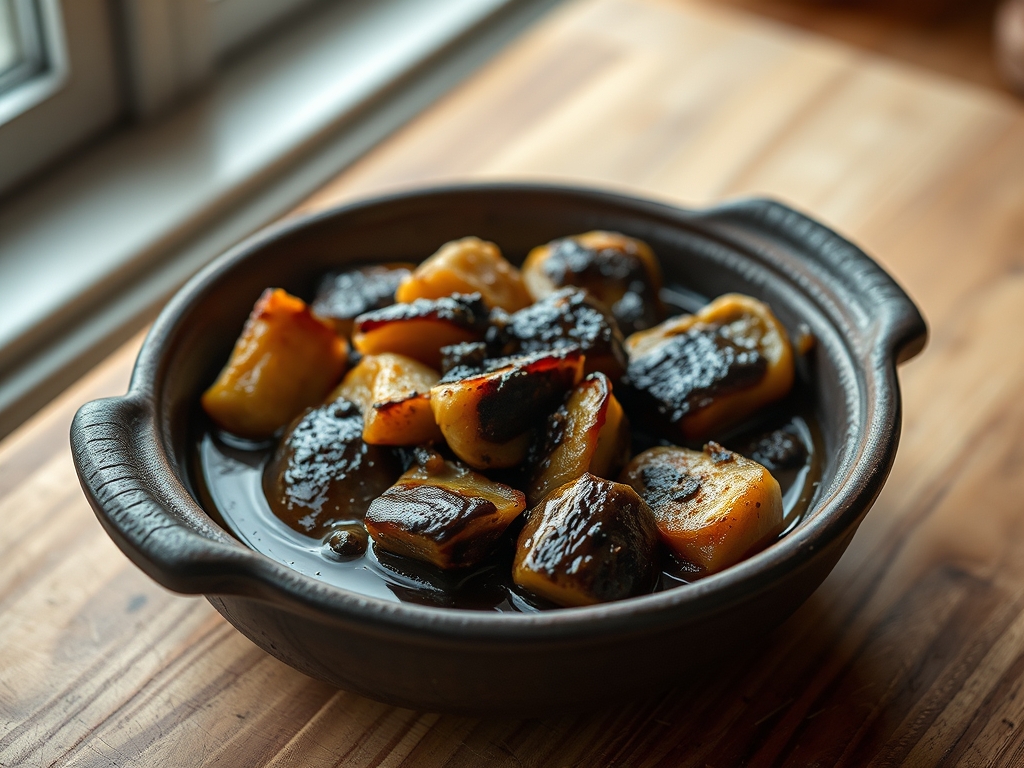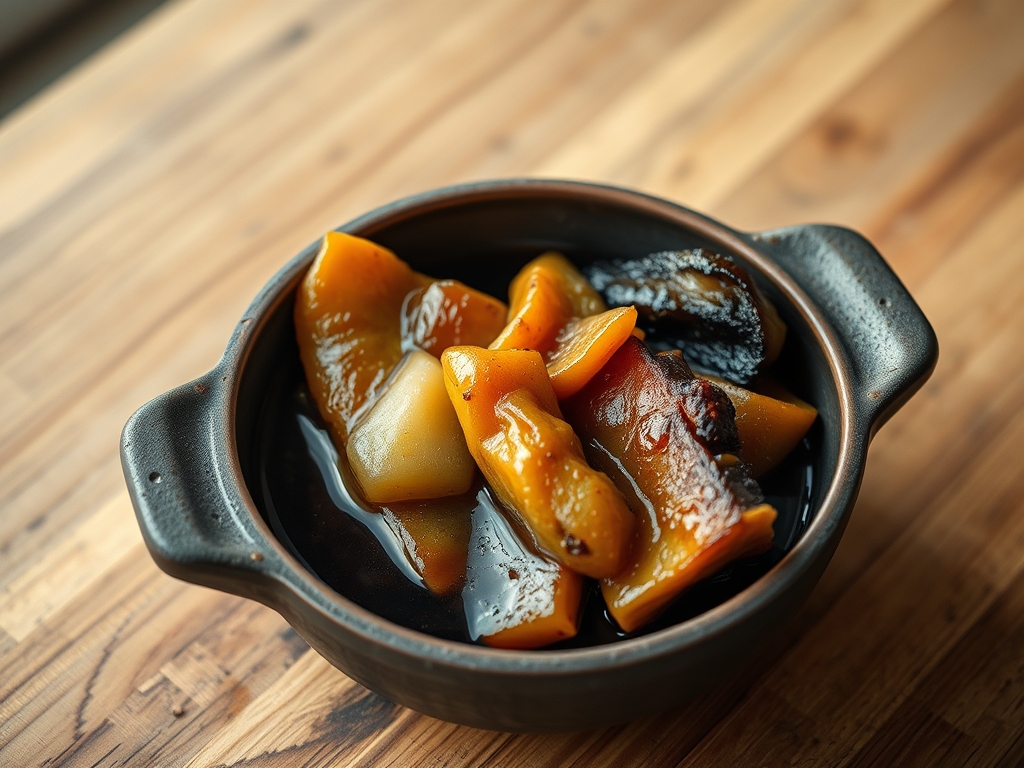
Forget everything you think you know about frying; we are entering the realm of the lipid bath where physics meets indulgence. This is not a frantic bubble in a deep fryer. This is a slow, methodical immersion in rendered gold. When we talk about Duck Confit Logic, we are discussing the strategic preservation of protein through the complete exclusion of oxygen and the gentle denaturation of collagen. It is a preservation technique born of necessity that evolved into a pinnacle of French gastronomy. You are not just cooking a leg; you are conducting a thermal audit of a biological system. The fat acts as a thermal regulator, ensuring that the poultry never touches the harsh, direct heat of the pan. Instead, it undergoes a transformation where the connective tissues melt into gelatin while the muscle fibers remain succulent. It is a high-stakes game of moisture management. If your fat is too hot, you are frying. If it is too cold, you are merely marinating. We aim for the sweet spot of 90 degrees Celsius where the magic happens.
THE DATA MATRIX
| Metric | Value |
|---|---|
| Prep Time | 24 Hours (Curing) |
| Execution Time | 4 to 6 Hours |
| Yield | 4 Servings |
| Complexity (1-10) | 7 |
| Estimated Cost per Serving | $12.50 |
THE GATHERS
Ingredient Protocol:
- 4 Duck Legs (approx. 1.2kg / 2.6 lbs)
- Rendered Duck Fat (1 liter / 4.2 cups)
- Kosher Salt (50g / 3.5 tbsp)
- Fresh Thyme (10g / 4 sprigs)
- Garlic Cloves, crushed (4 units)
- Black Peppercorns (5g / 1 tsp)
- Bay Leaves (2 units)
Section A: Ingredient Quality Audit:
If your duck legs appear pale or lack a significant fat cap, your render potential is compromised. Low-quality, water-chilled poultry will release excess moisture into the fat, leading to a "steaming" effect rather than a true confit. To fix this, increase your salt cure time by four hours to draw out additional water. If your duck fat has a cloudy appearance, it likely contains residual meat juices from a previous batch. Clarify it by heating it gently and passing it through a coffee filter before beginning the process. Using substandard, oxidized fat will result in a rancid aftertaste that no amount of garlic can mask. Always audit your lipids for a neutral, nutty aroma before the immersion begins.
THE MASTERCLASS
1. The Osmotic Cure
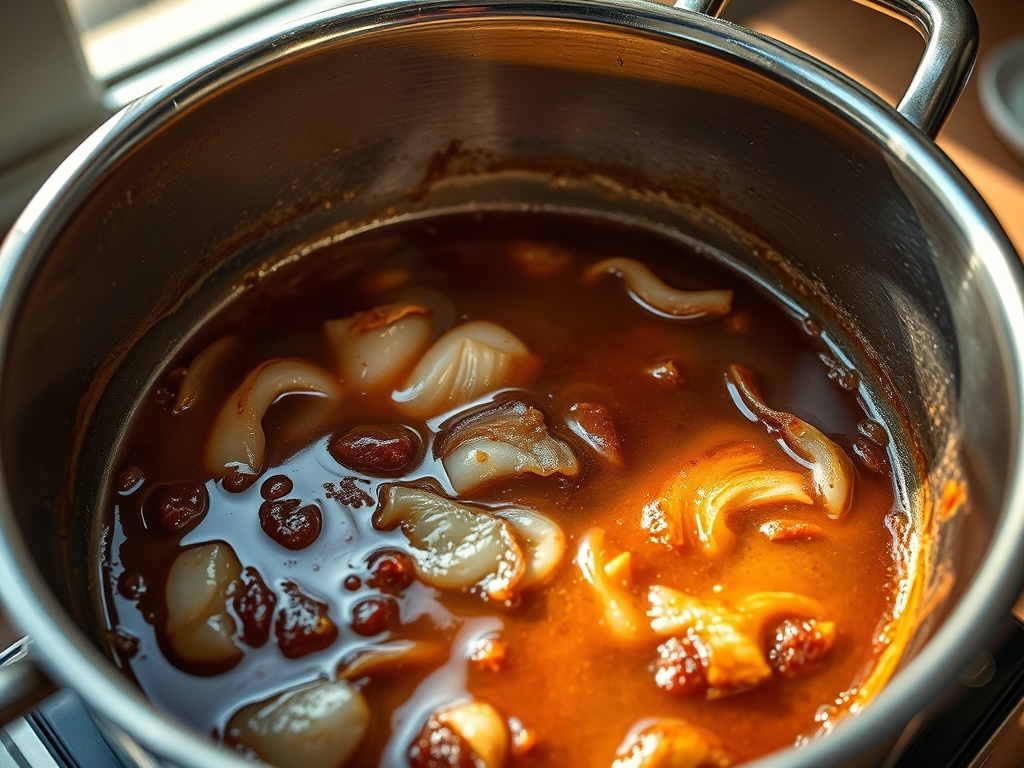
Rub the duck legs vigorously with salt, herbs, and aromatics. Place them in a non-reactive tray and refrigerate for 24 hours. This step is not just for flavor; it is a structural necessity to tighten the protein fibers and season the meat to the bone.
Pro Tip: Use a digital scale to ensure your salt ratio is exactly 2.5 percent of the meat weight. This prevents the "salt lick" effect while ensuring deep seasoning through osmotic pressure.
2. The Lipid Immersion
Rinse the cure off the legs and pat them bone-dry with paper towels. Submerge them in a heavy-bottomed saucier or Dutch oven filled with melted duck fat. The meat must be completely covered to prevent oxidation.
Pro Tip: Moisture is the enemy of the confit. Any residual water on the skin will cause the fat to splatter and create steam pockets, ruining the viscous environment required for a silky texture.
3. The Thermal Calibration
Place the vessel in an oven set to 90 degrees Celsius (195 degrees Fahrenheit). The fat should barely tremble; if you see vigorous bubbles, your temperature is too high. You are looking for a slow, gentle infuse of flavor over several hours.
Pro Tip: Use a probe thermometer to monitor the fat temperature. Maintaining a steady state ensures the collagen breaks down into gelatin without the muscle fibers tightening and squeezing out their internal juices.
4. The Maillard Activation
Once the meat is tender enough to pull away from the bone, remove the legs from the fat. Heat a cast-iron skillet over medium-high heat and place the legs skin-side down to deglaze the exterior and crisp the skin.
Pro Tip: Use a bench scraper to clean your searing surface between batches. This prevents burnt protein bits from sticking to the skin and ensures an even, golden-brown finish across the entire surface.
Section B: Prep & Timing Fault-Lines:
The most common failure in Duck Confit Logic is the "Rush Factor." Attempting to accelerate the process by increasing the heat will result in "confit-fried" duck, which is tough and dry. If you find the meat is still firm after four hours, do not raise the temperature; instead, extend the time. Another fault-line occurs during the cooling phase. If you do not cool the duck in its own fat, the meat will dry out instantly as it hits the air. Always allow the protein to reach room temperature while submerged to lock in the moisture.
THE VISUAL SPECTRUM
Section C: Thermal & Visual Troubleshooting:
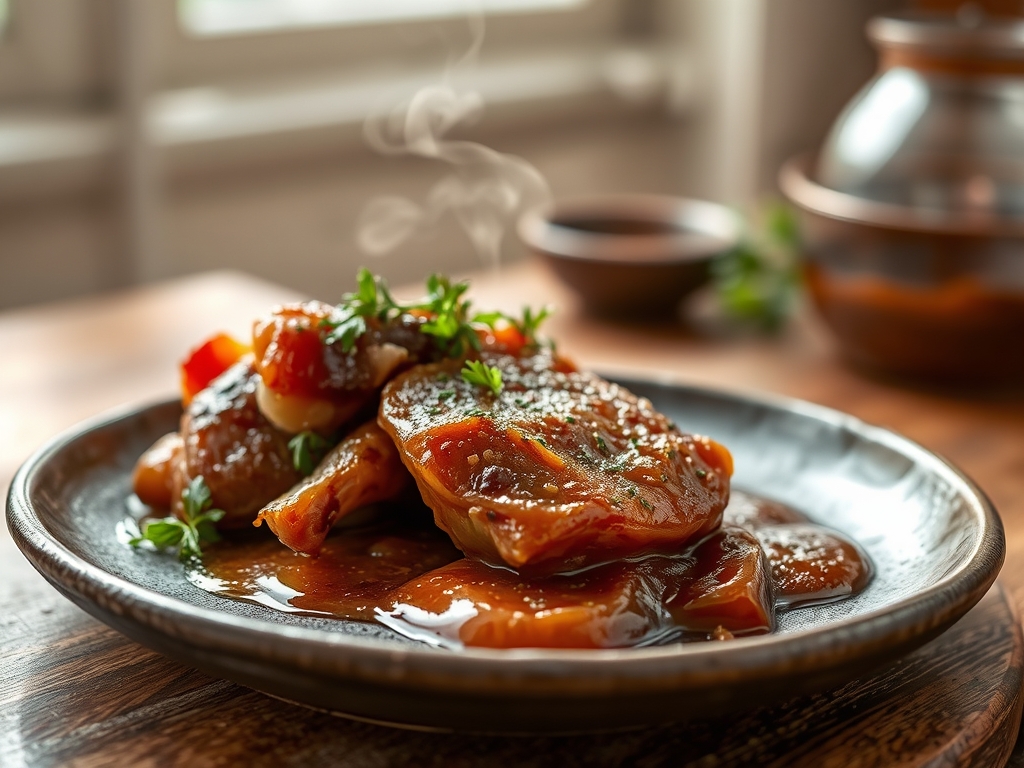
Observe the photo above. Notice the deep mahogany hue and the way the skin appears translucent yet brittle. If your duck looks grey or dull, you likely skipped the Maillard activation or failed to dry the skin properly before searing. If the meat is falling off the bone in a messy heap, you have over-cooked it, destroying the structural integrity. The ideal visual cue is a leg that holds its shape until touched with a fork, at which point it should flake away in succulent shards. If the fat appears "broken" or has dark sediment, your heat was too high, causing the proteins to burn at the bottom of the pot.
THE DEEP DIVE
Macro Nutrition Profile:
A single serving of duck confit is high in monounsaturated fats, similar to olive oil. It is a protein-dense powerhouse, providing roughly 25g of protein and 35g of fat. While calorie-heavy, it is exceptionally satiating.
Dietary Swaps:
- Vegan: Substitute duck with king oyster mushrooms or thick-cut celery root. Use a neutral oil like grapeseed infused with smoked salt to mimic the depth of animal fat.
- Keto: This dish is naturally keto-compliant. Serve with wilted greens to balance the richness.
- GF: Naturally gluten-free. Ensure your salt rub does not contain anti-caking agents that use wheat starch.
Meal Prep & Reheating Science:
Confit is the ultimate meal prep. Stored submerged in fat in the fridge, it lasts for weeks. To reheat, remove the leg from the cold fat and place it in a cold pan. Heat slowly to allow the internal fat to melt before cranking the heat to crisp the skin. This preserves the molecular structure and prevents the meat from becoming stringy.
THE KITCHEN TABLE
Why is my duck skin rubbery?
Rubbery skin results from insufficient rendering or moisture trapped under the surface. Ensure the duck is dried thoroughly after the cure and sear it starting in a cold pan to slowly melt the subcutaneous fat before browning.
Can I reuse the duck fat?
Absolutely. Filter the fat through a fine-mesh sieve or cheesecloth to remove impurities. Store it in the freezer. Each subsequent use will infuse the fat with more complexity, creating a "perpetual" confit base.
What if I do not have duck fat?
While Duck Confit Logic demands duck fat for the best flavor profile, high-quality lard or even extra virgin olive oil can be used. The technique remains the same; only the flavor nuances will shift toward the new lipid source.
How do I know when it is done?
The "Bone Test" is the industry standard. Gently twist the leg bone; if it moves freely and the meat begins to pull away with zero resistance, your thermal audit is complete. The meat should be tender, not mushy.