Imagine a living, breathing structural marvel that transforms humble legumes into a dense, nutty powerhouse of plant-based protein. This is not just a snack; it is a bio-engineered masterpiece of fungal architecture. When we discuss the infrastructure of fermented soy cakes, we are really talking about Tempeh Mycelium Binding. This is the process where the Rhizopus oligosporus mold weaves a complex, white filamentous web through every crevice of the substrate. It is a microscopic construction project that requires precise humidity, temperature, and airflow. When executed correctly, the mycelium acts as a biological mortar, fusing individual beans into a solid, sliceable slab with a clean, mushroom-like aroma. If the binding fails, you are left with a crumbly, uninspired pile of beans. If it succeeds, you achieve a texture that is firm, resilient, and ready to withstand the intense heat of a cast-iron sear. We are diving deep into the microscopic grid where biology meets gastronomy to ensure your fermentation infrastructure is rock solid.
THE DATA MATRIX
| Metric | Specification |
|---|---|
| Prep Time | 45 Minutes (Active) |
| Execution Time | 24 to 48 Hours (Incubation) |
| Yield | 1 kg / 2.2 lbs |
| Complexity (1-10) | 7 |
| Estimated Cost per Serving | $0.65 USD |
THE GATHERS
Ingredient Protocol:
- 600g / 3 cups Whole Organic Soybeans (Dried)
- 30ml / 2 tbsp White Distilled Vinegar
- 5g / 1 tsp Rhizopus Oligosporus Starter Culture
- 2L / 8 cups Filtered Water (for soaking)
- 5g / 1 tsp Cornstarch (optional carrier for starter)
Section A: Ingredient Quality Audit:
The most common failure point in Tempeh Mycelium Binding is the age and storage of the starter culture. If your Rhizopus spores have been exposed to moisture or extreme heat, they will be dormant or dead. Always store your starter in a vacuum-sealed container in the refrigerator. Another critical failure involves the beans themselves; if you use "old crop" soybeans, they may remain stubbornly hard even after a long boil. This prevents the mycelium from penetrating the center of the bean. To fix this, add a pinch of baking soda to the soaking water to help break down the hemicellulose in the bean skins. Finally, ensure your vinegar is at least 5% acidity. The vinegar is not for flavor; it is a chemical barrier that lowers the pH to 4.5, preventing the growth of "bad" bacteria like Bacillus subtilis while the Rhizopus takes hold.
THE MASTERCLASS

Step 1: Substrate Hydration and De-hulling
Soak the soybeans in a large bowl for at least 12 hours. Once hydrated, massage the beans vigorously with your hands to loosen the hulls. The hulls must be removed because they act as a physical barrier to the mycelium. Use a slotted spoon to skim the floating skins from the surface.
Pro Tip: Use a professional bench scraper to help agitate the beans against the bottom of the bowl. The science here is surface area; by removing the skins and slightly splitting the beans, you provide more "anchor points" for the mycelium to begin its colonization.
Step 2: Precision Boiling and Acidification
Drain the soaked beans and move them to a large pot. Cover with fresh water and boil for 30 to 45 minutes. You want the beans "al dente" rather than mushy. Five minutes before the end of the cook, stir in your white vinegar.
Pro Tip: Use a digital thermometer to monitor the water temperature. Over-cooking the beans releases too much starch, which creates a viscous sludge that can suffocate the mold. The vinegar ensures the pH level is optimized for fungal dominance.
Step 3: The Moisture Evaporation Protocol
This is the most critical step for successful Tempeh Mycelium Binding. Drain the beans and spread them onto a clean kitchen towel or a large baking sheet. Use a hair dryer on a cool setting or a vigorous fan to dry the surface of every single bean. They should be dry to the touch but moist inside.
Pro Tip: Use a digital scale to weigh the beans before and after drying. Excess surface moisture is the enemy; it leads to bacterial spoilage and "slippery" tempeh. The beans must be cooled to exactly 35 degrees Celsius (95 degrees Fahrenheit) before inoculation.
Step 4: Inoculation and Distribution
Sprinkle the Rhizopus culture over the cooled, dry beans. If your starter is very concentrated, mix it with a teaspoon of cornstarch first to ensure even distribution. Toss the beans thoroughly for at least two minutes to ensure every surface is coated with spores.
Pro Tip: Use a stainless steel mixing bowl to prevent any microbial cross-contamination. Even distribution of the starter ensures that the mycelium grows at a uniform rate, preventing "patchy" fermentation where some areas are dense and others are loose.
Step 5: Incubation and Airflow Management
Pack the beans into perforated plastic bags or a glass dish covered with vented foil. The layer should be about 1 inch thick. Place them in an incubator (or an oven with the light on) set to 30 to 32 degrees Celsius (86 to 90 degrees Fahrenheit).
Pro Tip: The fermentation process is exothermic, meaning the mold generates its own heat as it grows. Use a probe thermometer inserted into the center of the cake. If the internal temperature exceeds 35 degrees Celsius, you must reduce the external heat to prevent the mold from "cooking" itself.
Section B: Prep & Timing Fault-Lines:
Timing is everything in the world of fungi. If you pull the tempeh too early (before 24 hours), the binding will be weak and the cake will fall apart when sliced. If you leave it too long (over 48 hours), the mold will begin to sporulate, creating black spots and a strong ammonia smell. This is not necessarily "spoilage," but it indicates the flavor is becoming too pungent. The "sweet spot" is when the cake is completely covered in a thick, white, fuzzy mat that feels firm to the touch. If your incubator temperature fluctuates wildly, the mycelium will grow unevenly; use a PID controller or a steady heat source to maintain a flat line of thermal input.
THE VISUAL SPECTRUM
Section C: Thermal & Visual Troubleshooting:
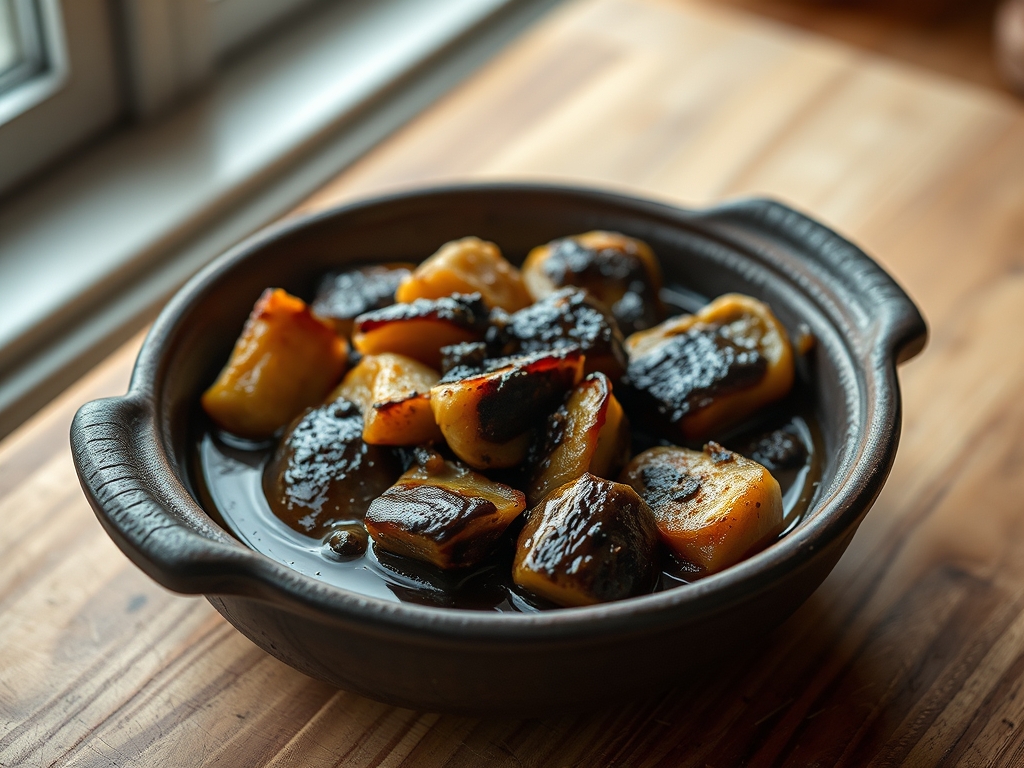
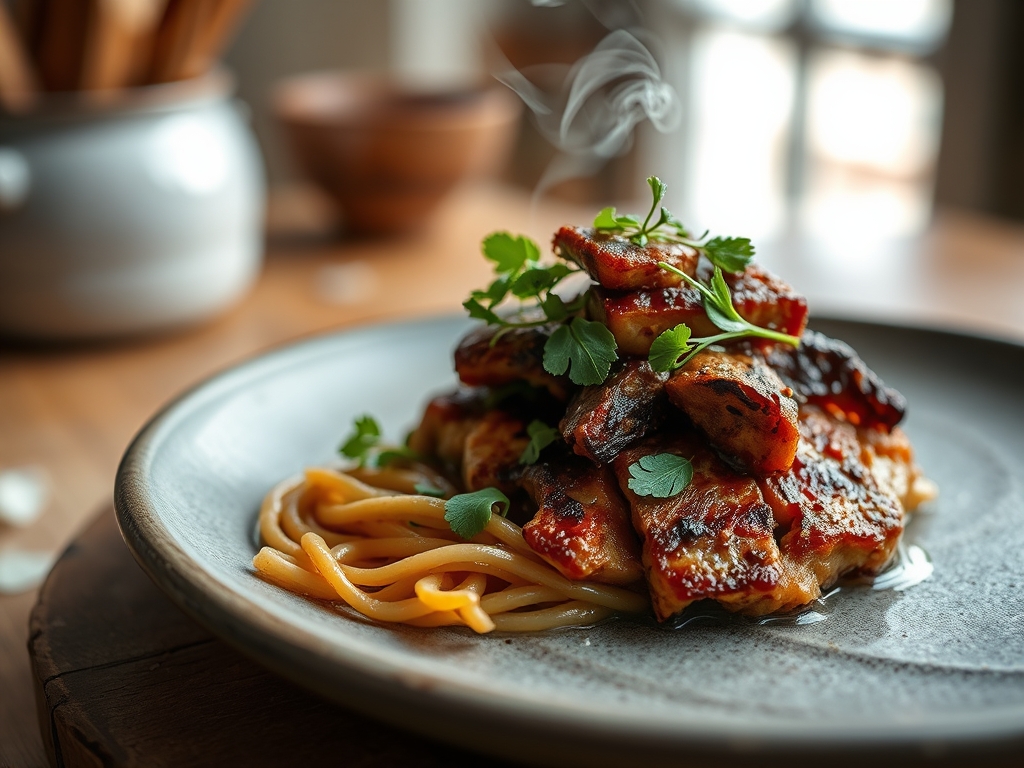
Referencing the Masterclass photo, your goal is a solid, opaque white block. If you see yellow or slimy patches, it indicates "wet spot" bacteria caused by poor drying in Step 3. If the cake looks dull or grey, the mycelium is likely struggling with a lack of oxygen; check your perforations. For the perfect golden-brown finish during cooking, you must utilize the Maillard reaction. Slice the tempeh into 1cm strips and sear in a heavy pan. Because the mycelium is rich in proteins and amino acids, it will render a savory, piquant crust quickly. If the tempeh looks "loose" or the beans are visible through the white fuzz, your incubation temperature was likely too low, preventing the mold from reaching full density.
THE DEEP DIVE
Macro Nutrition Profile:
A 100g serving of well-bound tempeh provides approximately 192 calories, 19g of protein, 11g of fat, and 9g of carbohydrates. It is a complete protein source containing all nine essential amino acids. The fermentation process also reduces phytic acid, making the minerals (iron, calcium, magnesium) more bioavailable.
Dietary Swaps:
- Keto: Soy tempeh is naturally low-carb; however, you can use lupin beans for an even lower glycemic index.
- GF: Tempeh is naturally gluten-free, but ensure your starter culture isn't processed on equipment shared with wheat.
- Soy-Free: You can apply the same mycelium binding techniques to chickpeas, black beans, or even sunflower seeds.
Meal Prep & Reheating Science:
To maintain the molecular structure of the mycelium, do not microwave tempeh on high power, as this can cause the fungal cell walls to collapse and become rubbery. Instead, infuse moisture back into the cake by steaming it for 5 minutes before pan-frying. This "double-cook" method ensures the interior remains tender while the exterior stays crisp. For long-term storage, tempeh can be frozen for up to 3 months; the freezing process actually helps break down some of the tough bean fibers.
THE KITCHEN TABLE
Why is my tempeh turning black in small spots?
Those are spores! It usually means the tempeh fermented a bit too long or got too warm. It is perfectly safe to eat, though the flavor might be slightly more intense and earthy.
Can I use apple cider vinegar instead of white?
Yes, any vinegar with 5% acidity works. The goal is to lower the pH of the beans to inhibit competing bacteria while the Rhizopus mold establishes its infrastructure.
My tempeh smells like ammonia. Is it ruined?
A faint whiff is normal toward the end of fermentation. However, a strong, pungent ammonia smell means it has over-fermented. If it is also slimy, discard it and audit your moisture control.
Why did my mycelium stop growing halfway through?
This is usually a "suffocation" issue. The mold needs oxygen to thrive. Ensure your fermentation vessel has enough air holes and that the beans weren't packed too tightly to allow airflow.