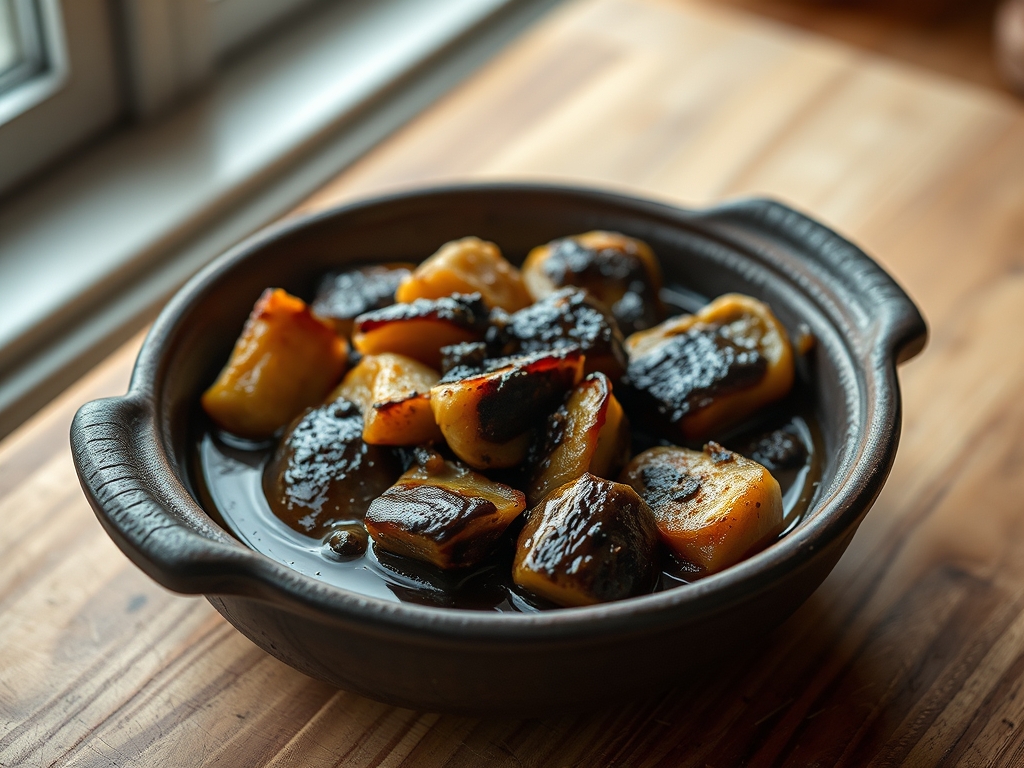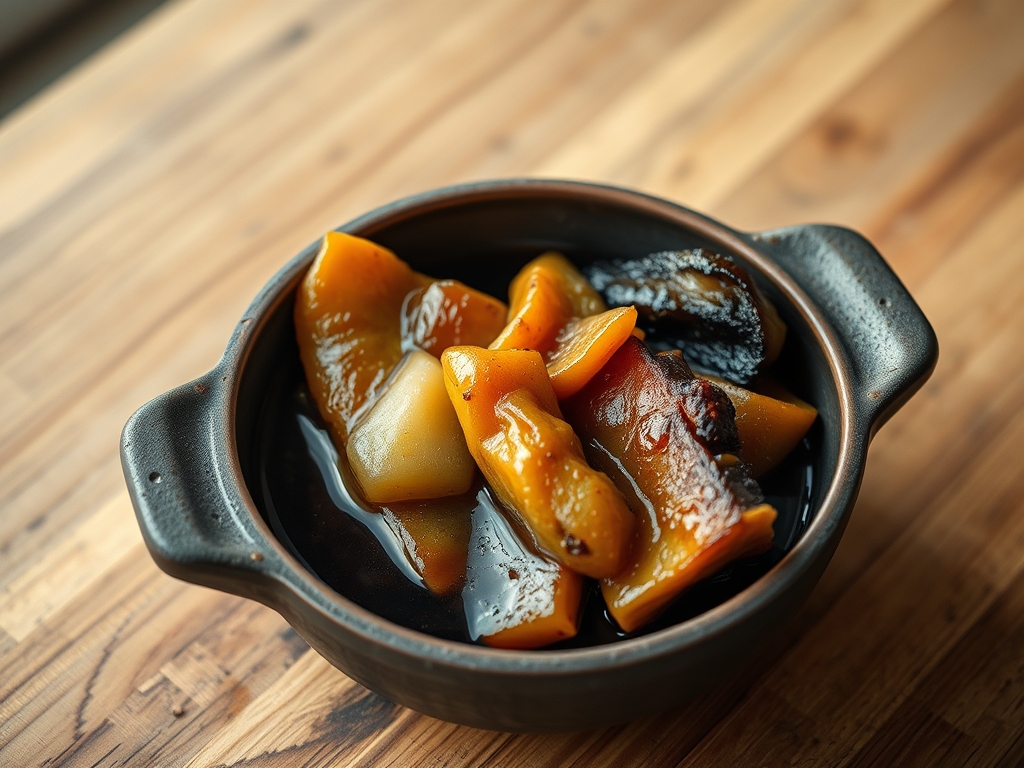
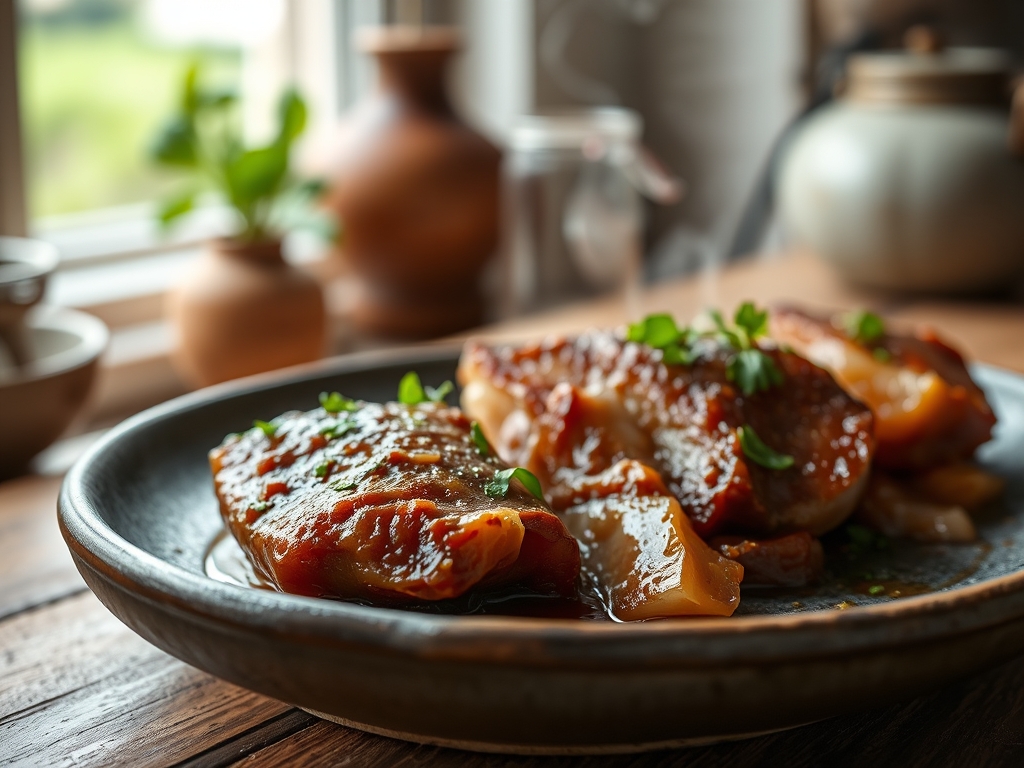
Forget everything you know about standard cuts of steak; we are entering the realm of extreme collagen management. We are talking about the tongue, a muscle that spends its entire existence in a state of high-intensity mechanical labor. It is a dense, fibrous slab of pure potential that, if treated with the casual indifference of a flank steak, will reward you with the texture of a recycled radial tire. But we are not here for mediocrity. We are here to execute a flawless Beef Tongue Boil. This is a technical audit of structural softening. We are going to take a formidable, intimidating piece of bovine anatomy and use thermal energy to force a total molecular surrender. Imagine a texture so tender it verges on the ethereal, yet remains structurally sound enough to hold a sear. The aroma is deep, primal, and unapologetically rich. By the time we finish this protocol, that tough exterior will yield to reveal a succulent, velvet-like interior that redefines the concept of savory indulgence. Strap in; it is time to optimize your protein.
THE DATA MATRIX
| Metric | Specification |
|---|---|
| Prep Time | 20 Minutes |
| Execution Time | 3.5 to 4 Hours |
| Yield | 6 to 8 Servings |
| Complexity (1-10) | 6 (Requires patience and tactile precision) |
| Estimated Cost per Serving | $4.50 – $6.00 |
THE GATHERS
Ingredient Protocol:
- 1 Beef Tongue (Approx. 1.4kg / 3 lbs)
- 2 Large Yellow Onions, halved (300g / 10.5 oz)
- 4 Large Carrots, rough chop (400g / 14 oz)
- 3 Stalks Celery, rough chop (150g / 5.3 oz)
- 6 Cloves Garlic, smashed (30g / 1 oz)
- 15g / 1 tbsp Whole Black Peppercorns
- 4 Dried Bay Leaves
- 30g / 2 tbsp Kosher Salt
- 4 Liters / 17 Cups Filtered Water (or enough to submerge)
- 60ml / 0.25 Cup Apple Cider Vinegar
Section A: Ingredient Quality Audit:
If your raw material arrives with a greyish hue or a slick, off-putting film, you are dealing with oxidation or bacterial bloom. A fresh tongue should be firm and pinkish-grey. If the meat feels overly flaccid, it lacks the structural integrity for a long-phase boil. To fix minor surface odors, perform a pre-scald. Submerge the tongue in boiling water for exactly three minutes, then drain and scrub the exterior with a stiff brush before starting the primary Beef Tongue Boil. This removes surface impurities and ensures the resulting stock is clean rather than muddy. If your aromatics are wilted, do not discard them; instead, infuse them into the cold water start to maximize the extraction of their remaining volatile oils.
THE MASTERCLASS
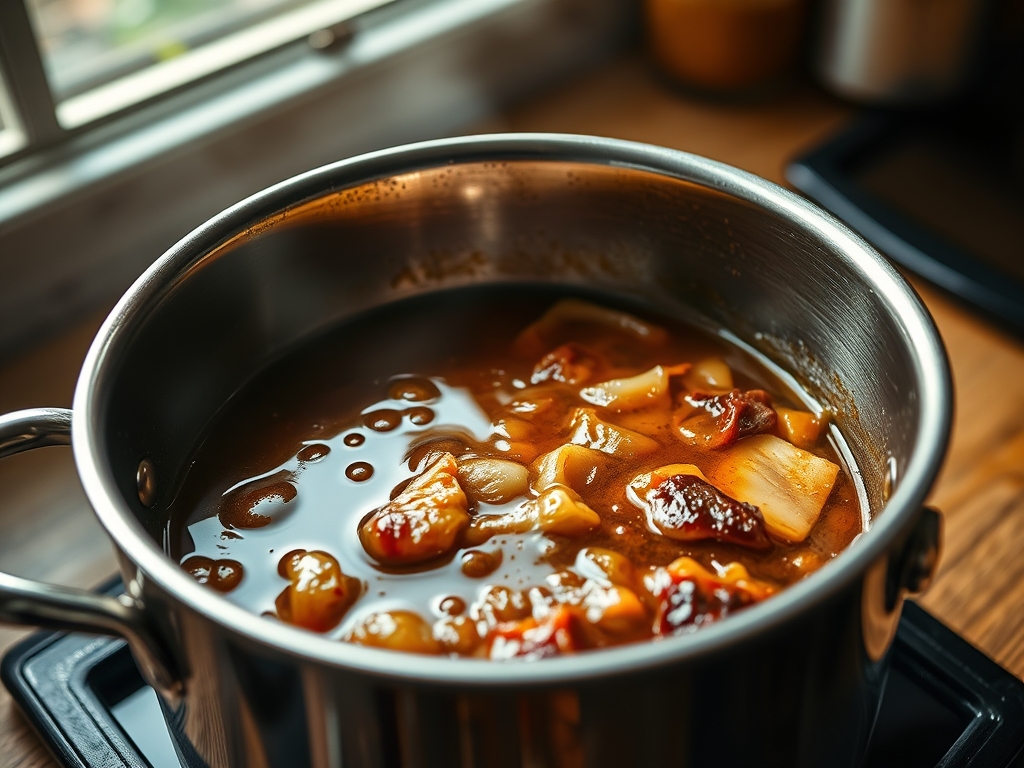
1. The Cold Start Submersion
Place the cleaned tongue into a heavy-bottomed stockpot or a large saucier. Add your aromatics, salt, and vinegar. Cover with cold, filtered water. Starting with cold water allows the proteins to heat gradually, preventing the exterior from seizing and trapping impurities.
Pro Tip: Use a digital scale to measure your salt precisely at 1.5 percent of the total water weight. This ensures the seasoning penetrates the dense muscle fibers to the core during the long simmer.
2. The Controlled Thermal Ascent
Bring the liquid to a gentle simmer over medium-high heat. Once the first bubbles break the surface, immediately reduce the heat to the lowest setting. You are looking for a "lazy bubble" every few seconds. Use a fine-mesh skimmer to remove the grey foam (denatured proteins) that rises to the top.
Pro Tip: Maintaining a temperature between 88C and 93C (190F-200F) is critical. Use an infrared thermometer to audit the surface temperature. Boiling too hard will agitate the muscle fibers, resulting in a stringy, dry texture rather than a succulent melt.
3. The Collagen Conversion Phase
Cover the pot with a tight-fitting lid to prevent evaporation. Let the Beef Tongue Boil proceed for 3 to 4 hours. The goal is to render the tough connective tissue into gelatin. The tongue is ready when a paring knife slides into the thickest part with zero resistance.
Pro Tip: Do not rely on time alone. Use a meat probe to check for "probe-tender" status. The internal temperature should hover around 96C (205F) for optimal structural softening.
4. The Thermal Shock and Peel
This is the most critical technical maneuver. Remove the tongue from the liquid and immediately submerge it in an ice-water bath for 2 minutes. While it is still warm but handleable, use a bench scraper or your fingers to peel away the thick, leathery outer skin.
Pro Tip: If the skin does not peel away in large, satisfying sheets, the collagen has not sufficiently broken down. Return it to the simmering liquid for another 30 minutes. Peeling while warm is mandatory; once cold, the skin re-bonds to the meat.
Section B: Prep & Timing Fault-Lines:
The most common failure in a Beef Tongue Boil is the "patience deficit." Pulling the meat too early results in a rubbery, inedible product. If you find yourself behind schedule, do not increase the heat. Instead, transition the entire pot to a pressure cooker for 45 minutes to accelerate the breakdown. Conversely, if you overcook the tongue, the fibers will aerate and fall apart. If this happens, shred the meat and emulsify it with a bit of the cooking liquid and fat to create a rustic rillette or taco filling.
THE VISUAL SPECTRUM
Section C: Thermal & Visual Troubleshooting:
Referencing the Masterclass photo, the finished product should exhibit a uniform, pale pink interior with a glistening, moist surface. If your meat looks dull or grey, it likely oxidized during the cooling process; keep it submerged in a small amount of broth to maintain vibrancy. If the exterior of the tongue appears jagged after peeling, your knife was likely dull or the meat was overcooked. Use a sharp carving knife for the final slices to ensure clean, professional edges. If the broth is cloudy, you skipped the skimming phase or allowed the liquid to reach a rolling boil, which emulsified the fats into the water. For a piquant finish, always slice against the grain to maximize tenderness.
THE DEEP DIVE
Macro Nutrition Profile:
Beef tongue is a caloric powerhouse, rich in healthy fats and high-quality protein. A 100g serving typically contains 270 calories, 15g of protein, and 22g of fat. It is exceptionally high in Vitamin B12, zinc, and iron, making it a nutrient-dense choice for metabolic support.
Dietary Swaps:
- Vegan: Replace the tongue with large, whole-peeled King Oyster mushroom stalks. Simmer in a kelp and soy-based broth to mimic the umami profile.
- Keto/GF: This recipe is inherently Keto and Gluten-Free. Ensure your apple cider vinegar is certified GF.
Meal Prep & Reheating Science:
To maintain the molecular structure, store the peeled tongue submerged in its own strained cooking liquid. This prevents the meat from drying out. When reheating, do not microwave. Instead, sear thick slices in a hot cast-iron pan to deglaze the exterior and create a Maillard crust, while the interior remains soft.
THE KITCHEN TABLE
How do I know if the tongue is done without a thermometer?
The "Pinch Test" is your best manual audit. If you can easily pinch through the thickest part of the tongue with two fingers and the meat yields completely, the collagen has successfully transitioned into gelatin.
Can I save the boiling liquid?
Absolutely. That liquid is a liquid gold mine of gelatin and marrow essence. Strain it through a fine-mesh sieve and use it as a base for a viscous French Onion soup or reduce it further to create a potent glace.
Why did my tongue turn out rubbery?
Rubbery texture is a symptom of undercooking. The Beef Tongue Boil requires sustained, low-level thermal energy to dissolve the heavy connective tissue. If it is tough, it simply needs more time in the "thermal bath" to reach total surrender.
Is it necessary to peel the skin?
Yes. The outer membrane is covered in taste buds and has a sandpaper-like texture that is biologically unpleasant to consume. Peeling is the non-negotiable final step of the structural audit to ensure a professional-grade mouthfeel.