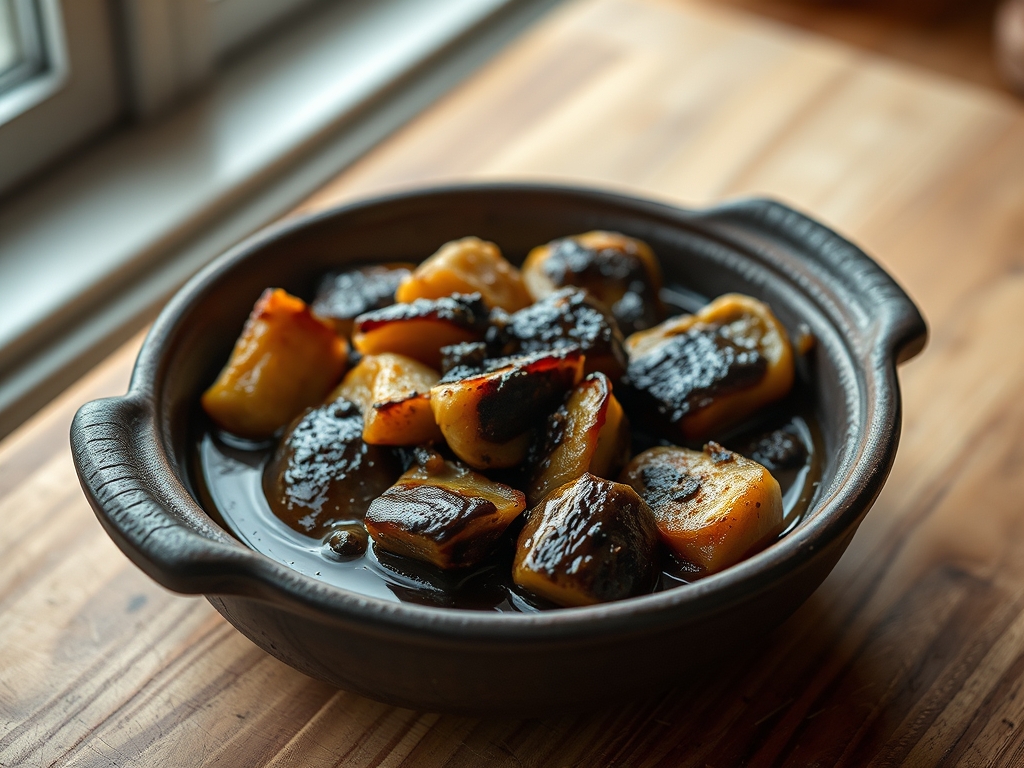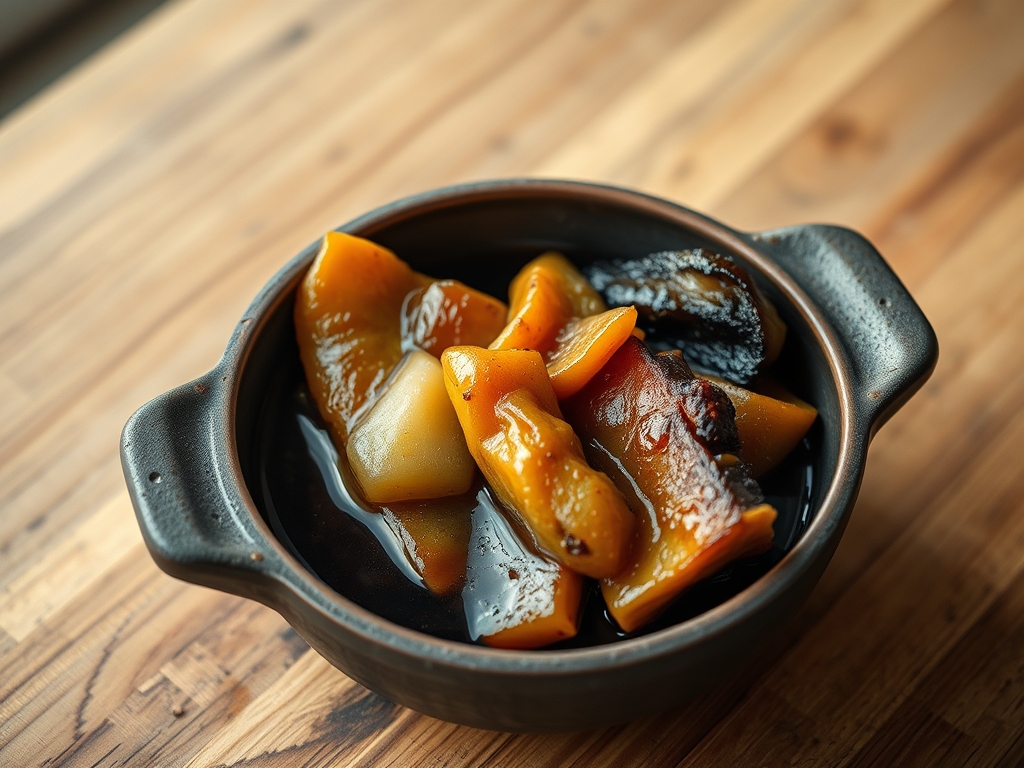
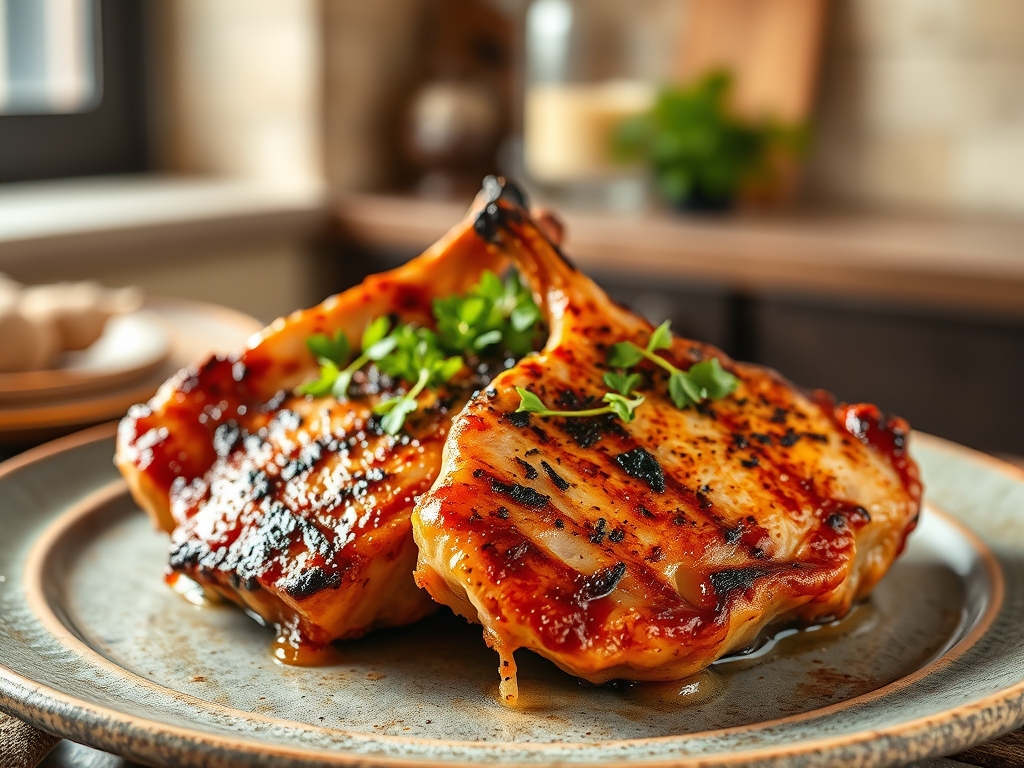
The cast iron skillet is the high-performance engine of the Cajun kitchen; it demands a specific thermal velocity to achieve perfection. When we talk about Blackened Pork Chops, we are not discussing a mere sear. We are discussing a controlled chemical combustion. The air in the kitchen should carry the piquant scent of toasted paprika and charred thyme, signaling that the Maillard reaction has transcended into the realm of the blackened crust. This technique, popularized in the heat of New Orleans, requires a fearless approach to temperature. You are looking for a deep, obsidian-hued exterior that protects a succulent, pearlescent interior. If your ventilation system is not humming and your smoke detector is not on high alert, you are likely not doing it right. This is culinary infrastructure at its most volatile and rewarding. We are engineering a barrier of spice that traps moisture, ensuring every bite delivers a rhythmic pulse of heat and salt. Prepare your station; we are about to calibrate your protein for maximum impact.
THE DATA MATRIX
| Metric | Specification |
|---|---|
| Prep Time | 15 Minutes |
| Execution Time | 12 Minutes |
| Yield | 4 Servings |
| Complexity (1-10) | 6 |
| Estimated Cost per Serving | $4.25 USD |
THE GATHERS
Ingredient Protocol:
- 4 Bone-in center-cut pork chops (approx. 2.5cm / 1 inch thick).
- 45g / 3 tbsp Smoked paprika.
- 15g / 1 tbsp Onion powder.
- 15g / 1 tbsp Garlic powder.
- 5g / 1 tsp Cayenne pepper (adjust for piquant intensity).
- 10g / 2 tsp Dried oregano.
- 10g / 2 tsp Dried thyme.
- 15g / 1 tbsp Kosher salt.
- 10g / 2 tsp Freshly cracked black pepper.
- 115g / 0.5 cup Unsalted butter, melted.
- 30ml / 2 tbsp Neutral oil (avocado or grapeseed).
Section A: Ingredient Quality Audit:
The primary failure point in this infrastructure is moisture. If your pork chops arrive in "enhanced" saline solutions, the excess water will steam the meat rather than sear it. Audit your protein: if the surface is tacky or wet, use a lint-free towel to desiccate the exterior. Another common vulnerability is stale spices. If your paprika is a dull brick red rather than a vibrant crimson, it has lost its volatile oils. To fix this, briefly "bloom" the spices in a dry saucier over low heat for 60 seconds before mixing. This will infuse the rub with renewed aromatic vigor. Finally, ensure your butter is high-fat European style; lower quality butter contains too much water, which causes violent splattering during the dip-and-sear phase.
THE MASTERCLASS
1. Thermal Calibration and Surface Prep
Begin by bringing your pork chops to room temperature. Use a digital scale to ensure your spice blend ratios are exact. Combine all dry ingredients in a wide, shallow bowl. Place your cast iron skillet over high heat until it begins to wisps of smoke appear.
Pro Tip: This is about thermal mass. A heavy cast iron skillet retains heat better than stainless steel, preventing the temperature drop that occurs when cold protein hits the pan. This ensures the spices char instantly rather than boiling in butter.
2. The Butter Encasement
Dip each pork chop into the melted butter, ensuring total coverage. Immediately dredge the chop into the spice mixture, pressing firmly so the rub adheres to the fat. Use a bench scraper to keep your workstation clean of excess spice clumps.
Pro Tip: The butter acts as a conductive medium and an adhesive. It allows the spices to undergo a rapid "flash fry" on the surface of the meat, creating the signature blackened crust that is distinct from a burnt surface.
3. The High-Heat Deployment
Add the neutral oil to the hot skillet. Lay the chops away from you to avoid oil splatter. Sear for 3 to 4 minutes per side. Do not move the meat once it hits the pan; you need uninterrupted contact to build the crust.
Pro Tip: Use a digital instant-read thermometer to monitor progress. You are aiming for an internal temperature of 63C / 145F. The high heat will render the edge fat, adding a viscous richness to the final mouthfeel.
4. The Deglaze and Rest
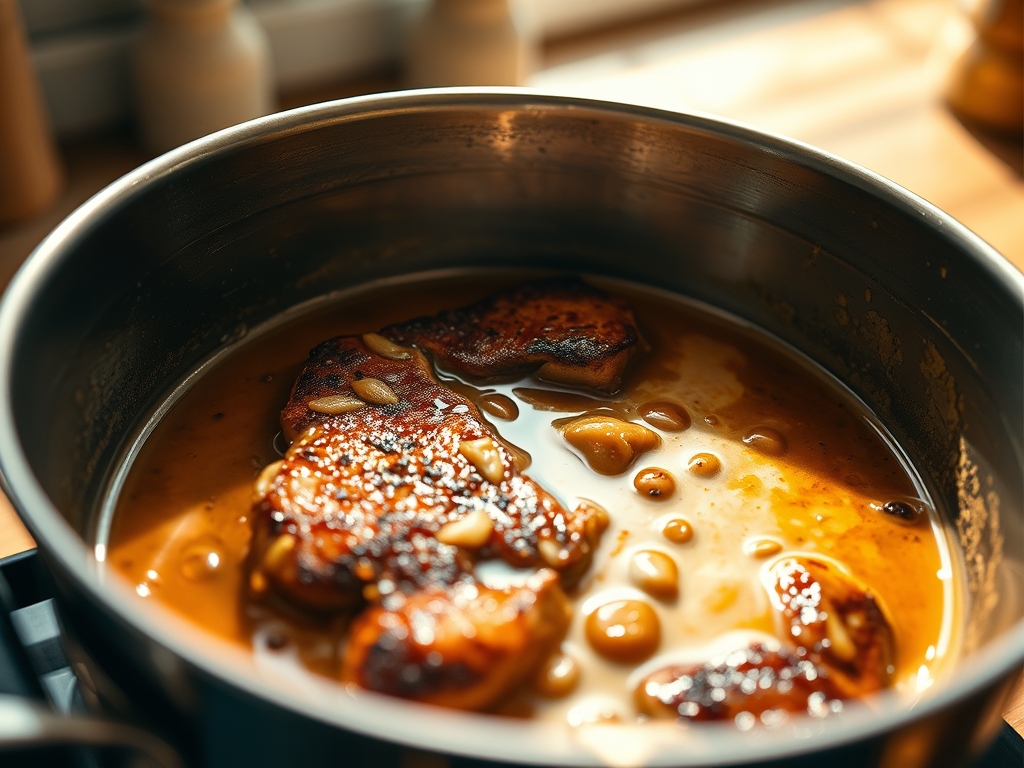
Once the chops reach 60C / 140F, remove them from the pan. The carry-over heat will finish the job. While the pan is still hot, add a splash of chicken stock or bourbon to deglaze the fond, creating a quick pan sauce if desired.
Pro Tip: Resting is non-negotiable. It allows the muscle fibers to relax and reabsorb the internal juices. If you cut too soon, the moisture will migrate to the plate, leaving you with a dry, fibrous chop.
Section B: Prep & Timing Fault-Lines:
The most frequent human error is "The Crowded Pan." If you attempt to cook four large chops in a small skillet, you will drop the surface temperature of the iron significantly. This leads to a grey, boiled appearance rather than a blackened one. Execute in batches if necessary. Another timing error involves the "Spice Burn." If the skillet is too hot (glowing red), the spices will turn bitter and acrid before the meat is cooked. If you see thick, yellow smoke, pull the pan off the heat immediately to recalibrate.
THE VISUAL SPECTRUM
Section C: Thermal & Visual Troubleshooting:
Referencing the Masterclass photo, your goal is a variegated surface. You should see deep mahogany, charcoal black, and flecks of vibrant red. If your chops look uniform and light brown, your heat was too low. If they are purely black with no red highlights, you likely used too much sugar in a pre-made rub or your heat was excessive. To fix uneven browning, use a heavy weight or a secondary skillet to press the pork chops flat against the cooking surface, ensuring the bone does not lift the meat away from the heat source. If the texture feels "mushy," you likely skipped the drying phase; use a digital scale to measure your salt accurately, as salt helps denature the surface proteins for a tighter, crispier crust.
THE DEEP DIVE
Macro Nutrition Profile
Each serving provides approximately 340 calories. The profile is protein-dominant: 38g Protein, 18g Fat, and 4g Carbohydrates. The majority of the fat is found in the butter coating and the natural marbling of the pork. For those tracking sodium, the Cajun rub is the primary contributor; consider a potassium-based salt substitute if necessary.
Dietary Swaps
- Vegan: Replace pork with thick-cut cauliflower steaks or firm tofu. Use vegan butter or coconut oil for the dredge.
- Keto: This recipe is naturally keto-compliant. Ensure your spice blend does not contain hidden cornstarch or sugar.
- GF: Naturally gluten-free. Audit your spices to ensure no cross-contamination or anti-caking agents containing gluten were used.
Meal Prep & Reheating Science
To maintain the molecular structure during reheating, avoid the microwave. The microwave agitates water molecules, which will steam the crust and turn it into a soggy paste. Instead, use an air fryer at 175C / 350F for 4 minutes. This will aerate the crust and crisp the exterior fat without overcooking the center.
THE KITCHEN TABLE
Why is my crust falling off the pork?
The surface was likely too wet before the butter dip. Ensure the meat is bone-dry. Additionally, do not flip the meat prematurely; the crust needs time to chemically bond to the protein fibers via the Maillard reaction.
Can I use boneless chops for this?
Yes, but decrease the cooking time by 20 percent. Bone-in chops provide a thermal buffer that prevents the meat from drying out as quickly under high heat, making them superior for the blackening technique.
How do I stop the kitchen from smoking?
Use a high-smoke-point oil like avocado oil. Ensure your exhaust fan is on its highest setting. Blackening is inherently a high-smoke process; if there is no smoke, you are simply pan-searing.
Is the black color actually burnt?
No. It is a combination of charred milk solids from the butter and toasted spices. True "burnt" meat tastes like ash; blackened meat tastes like toasted, concentrated spices with a savory, caramelized depth.