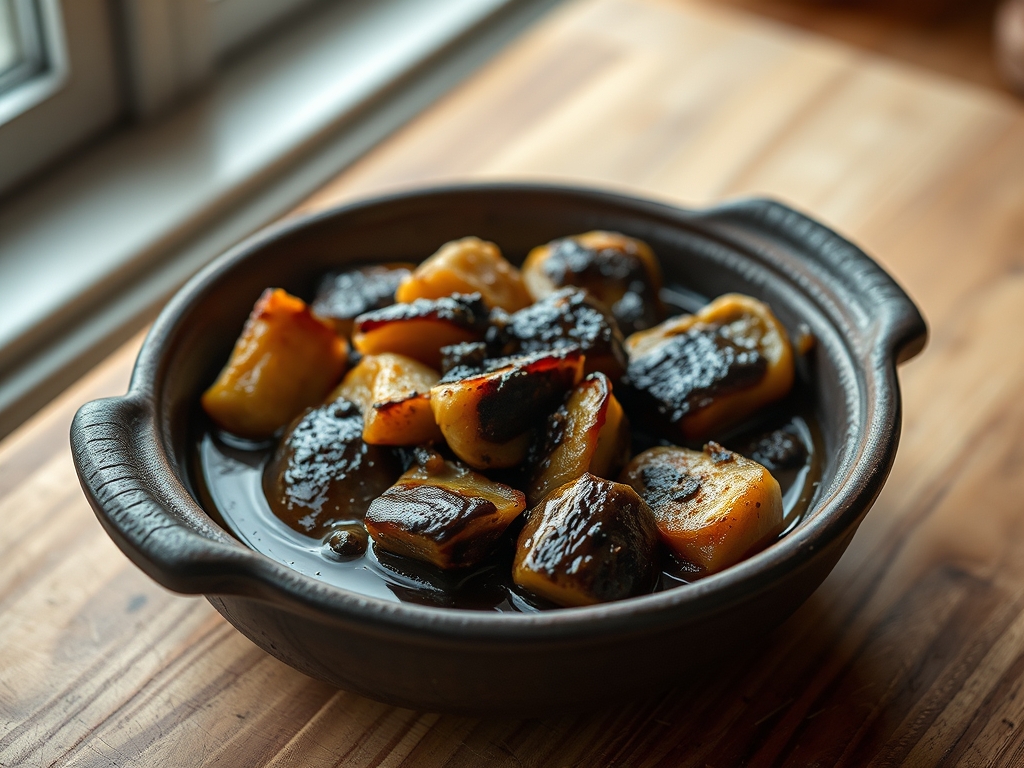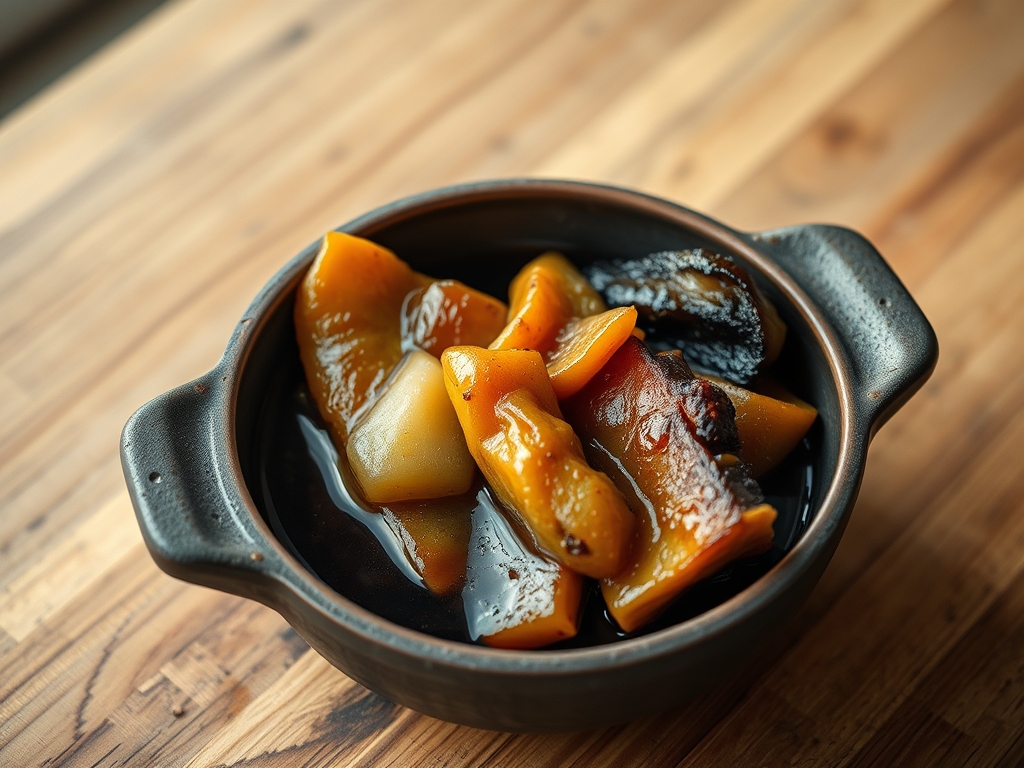
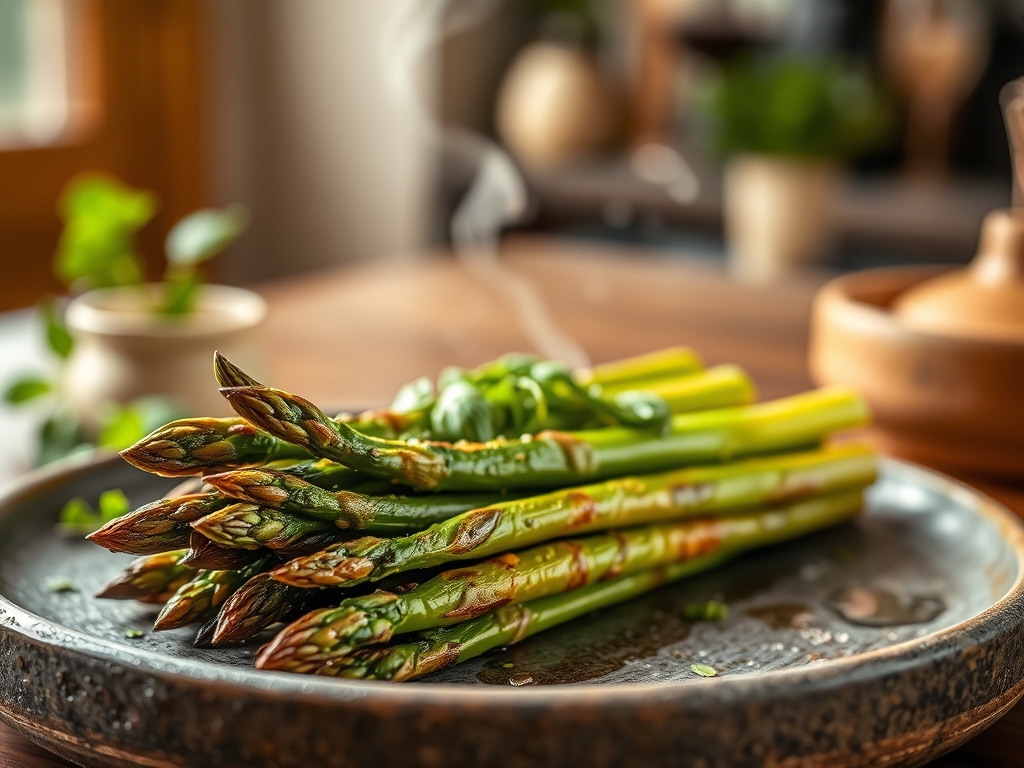
Listen to the sound of the cast iron screaming. That rhythmic, high-frequency hiss is the siren song of the Maillard reaction in its most aggressive form. We are not here to gently steam or timidly sauté. We are here to execute a high-velocity thermal transfer that transforms fibrous stalks into caramelized gold. Charred Asparagus Spears represent the ultimate test of longitudinal heat flow; the goal is a blistering exterior while maintaining a crisp, structural integrity at the core. If your vegetable drawer is home to limp, sad greens, you are failing the audit. We demand snap. We demand smoke. We demand a finish so vibrant it looks like it was plucked from a high-contrast editorial spread. This process requires precision timing and a total disregard for the fear of smoke detectors. When the sugars in the plant cell walls begin to break down and recombine with amino acids, you aren't just cooking; you are performing molecular restructuring. Get your tongs ready; we are going in hot.
THE DATA MATRIX
| Metric | Specification |
|---|---|
| Prep Time | 8 Minutes |
| Execution Time | 6 Minutes |
| Yield | 4 Servings |
| Complexity | 3/10 |
| Estimated Cost per Serving | $1.75 USD |
THE GATHERS
Ingredient Protocol:
- 500g / 1.1 lbs Fresh Asparagus (Standard diameter, approximately 1cm)
- 30ml / 2 tbsp Extra Virgin Olive Oil (High smoke point preferred)
- 5g / 1 tsp Flaky Sea Salt
- 2g / 0.5 tsp Freshly Cracked Black Pepper
- 15ml / 1 tbsp Fresh Lemon Juice
- 30g / 0.25 cup Shaved Parmigiano-Reggiano
- 10g / 2 tsp Toasted Pine Nuts
Section A: Ingredient Quality Audit:
Sub-par raw materials will compromise the structural integrity of your Charred Asparagus Spears. If the tips are mushy or "flowering," the moisture content is too high for a clean sear; you will end up with a soggy mess rather than a crisp char. Technical fix: Shock the spears in an ice bath for three minutes to restore turgor pressure, then dry them obsessively with a lint-free kitchen towel. If the stalks are excessively woody, do not merely snap them. Use a vegetable peeler to remove the outer epidermis of the bottom third of the stalk. This exposes the tender parenchyma cells, ensuring even heat penetration across the entire longitudinal axis.
THE MASTERCLASS
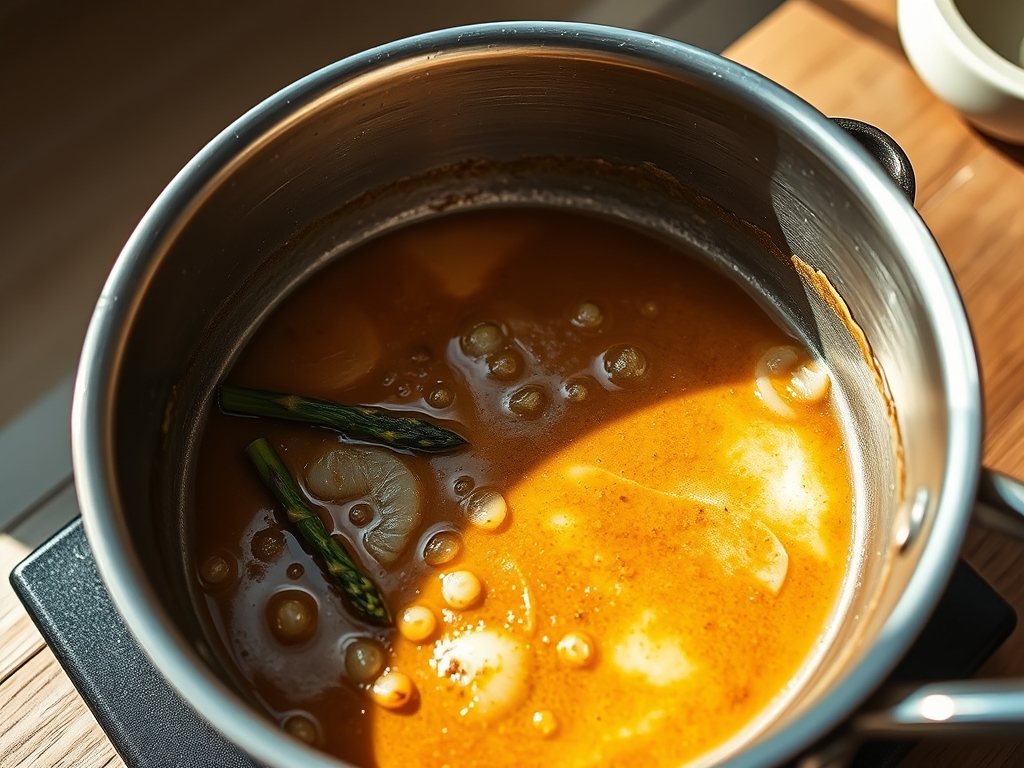
Step 1: The Mechanical Trim
Place the spears on a heavy-duty wooden cutting board. Use a sharp chef's knife or a bench scraper to align the ends. Slice off the bottom 2 inches to ensure uniform length. This is not just for aesthetics; uniform length ensures that the heat distribution remains consistent across the pan surface.
Pro Tip: Use a digital scale to ensure your bundles are equal in weight. This allows for predictable thermal absorption, preventing one spear from overcooking while its neighbor remains raw.
Step 2: Lipid Coating and Emulsification
In a stainless steel mixing bowl, toss the spears with the olive oil, salt, and pepper. You want a viscous coating that clings to every crevice of the tips. Do not over-oil; an excess of lipids will lead to deep-frying rather than searing, which ruins the localized charring effect we desire.
Pro Tip: Use your hands to massage the oil into the buds. The tips are highly porous and will infuse with the seasoning more effectively than the smooth stalks.
Step 3: High-Velocity Thermal Application
Heat a heavy-bottomed saucier or cast iron skillet over medium-high heat until it reaches approximately 425 degrees Fahrenheit. Place the spears in a single layer. Do not crowd the pan. If you hear the sizzle drop in pitch, you have overloaded the heat sink and the vegetables will steam in their own juices.
Pro Tip: Use a heavy press or another pan to weigh down the spears for the first 60 seconds. This maximizes surface area contact, forcing a rapid render of surface moisture and accelerating the browning process.
Step 4: The Deglaze and Finish
Once the spears show dark, localized blistering, add the lemon juice. The liquid will immediately aerate and turn to steam, providing a final burst of heat that softens the interior without compromising the exterior char. Move the spears to a warm platter immediately.
Pro Tip: Use a microplane to grate the Parmigiano-Reggiano directly over the hot spears. The residual heat will slightly melt the cheese, creating a piquant crust that adheres to the charred skin.
Section B: Prep & Timing Fault-Lines:
The most common failure in this audit is "Thermal Lag." If you take the spears out of the refrigerator and put them directly into the pan, the core temperature will remain too low while the exterior burns. Always allow your produce to reach room temperature for at least 15 minutes. Furthermore, if your lemon juice is added too early, the acid will break down the chlorophyll, turning your vibrant green spears into a dull, military drab. Timing the acid hit is critical for visual impact.
THE VISUAL SPECTRUM
Section C: Thermal & Visual Troubleshooting:
Analyze the reference photo. You are looking for "Leopard Spotting," which are localized areas of intense carbonization contrasted against a bright, verdant green. If your spears are a uniform brown, you have cooked them too long at too low a temperature. If they are bright green but lack black spots, your pan was not hot enough. To fix a dull color, ensure you are using enough salt during the initial toss; sodium ions help stabilize the chlorophyll molecules during heat exposure. If the tips look burnt but the stalks are raw, your heat source is too concentrated in the center of the pan; move the stalks toward the heat and keep the delicate tips toward the cooler periphery.
THE DEEP DIVE
Macro Nutrition Profile:
A standard serving of these Charred Asparagus Spears provides approximately 120 calories, 9g of healthy fats, 4g of fiber, and 5g of protein. It is a micronutrient powerhouse, loaded with Vitamin K and folate, making it an essential component of a high-performance diet.
Dietary Swaps:
- Vegan: Replace the Parmigiano-Reggiano with nutritional yeast or toasted breadcrumbs tossed in garlic oil.
- Keto: This dish is naturally keto-compliant. Increase the pine nut count for additional healthy fats.
- GF: Naturally gluten-free. Ensure your "toasted" additions are processed in a gluten-free environment.
Meal Prep & Reheating Science:
To maintain molecular structure during reheating, avoid the microwave at all costs. The microwave excites water molecules, which will turn your crisp spears into rubber. Instead, use a toaster oven at 400 degrees Fahrenheit for 4 minutes. This flashes the exterior oils, crisping the skin back up while keeping the interior from becoming mushy.
THE KITCHEN TABLE
Why is my asparagus stringy?
You likely missed the woody ends during the trim. Next time, use the "snap test" to find the natural breaking point of the fiber, or use a peeler to remove the tough outer skin of the lower stalk.
Can I use frozen asparagus?
Negative. Frozen asparagus has undergone cell wall rupture due to ice crystallization. It will never achieve the necessary structural integrity for a high-heat char; it will simply collapse into a watery puree.
How do I get that smoky flavor without a grill?
The secret is a dry cast iron pan and a high-smoke-point oil. Let the pan get hot enough that the oil just begins to shimmer and smoke before adding the spears to trigger rapid carbonization.
What if I don't have pine nuts?
Slivered almonds or crushed walnuts are excellent substitutes. The goal is to provide a textural contrast to the tender-crisp spear. Ensure you toast them separately to control the browning level perfectly.