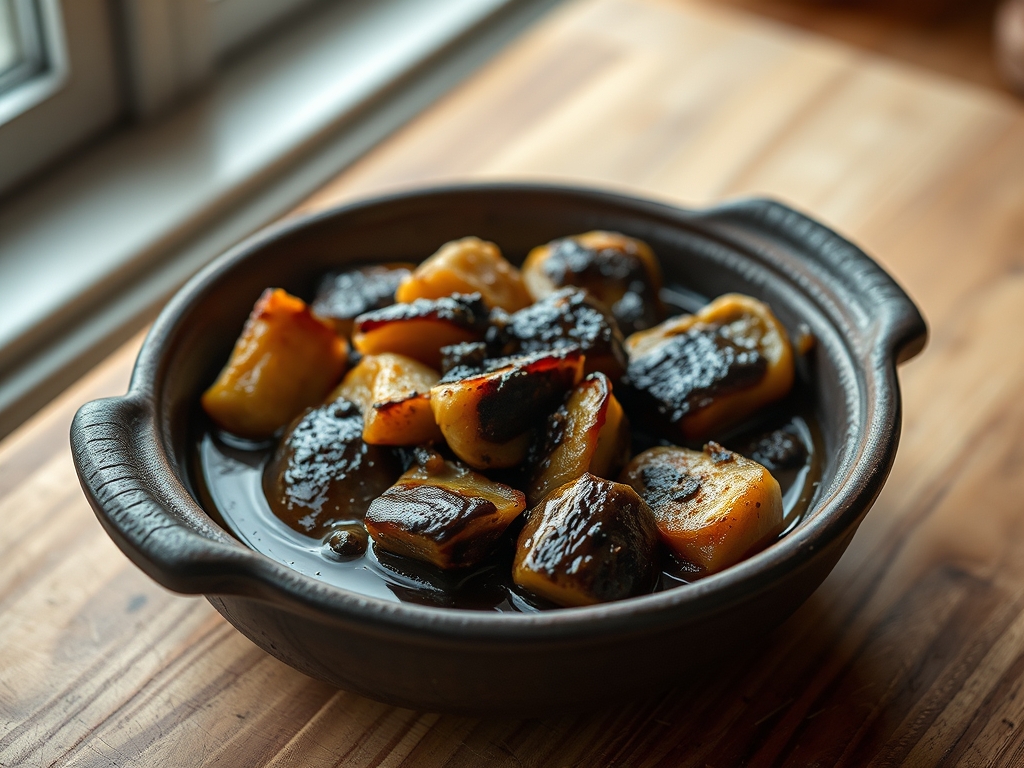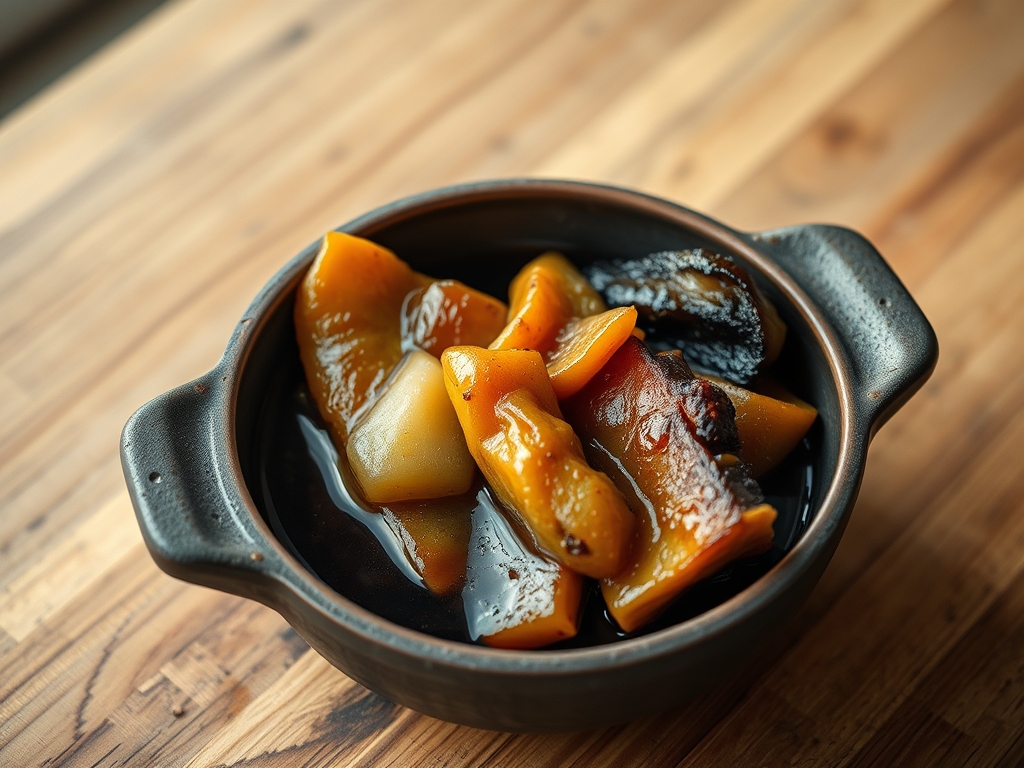
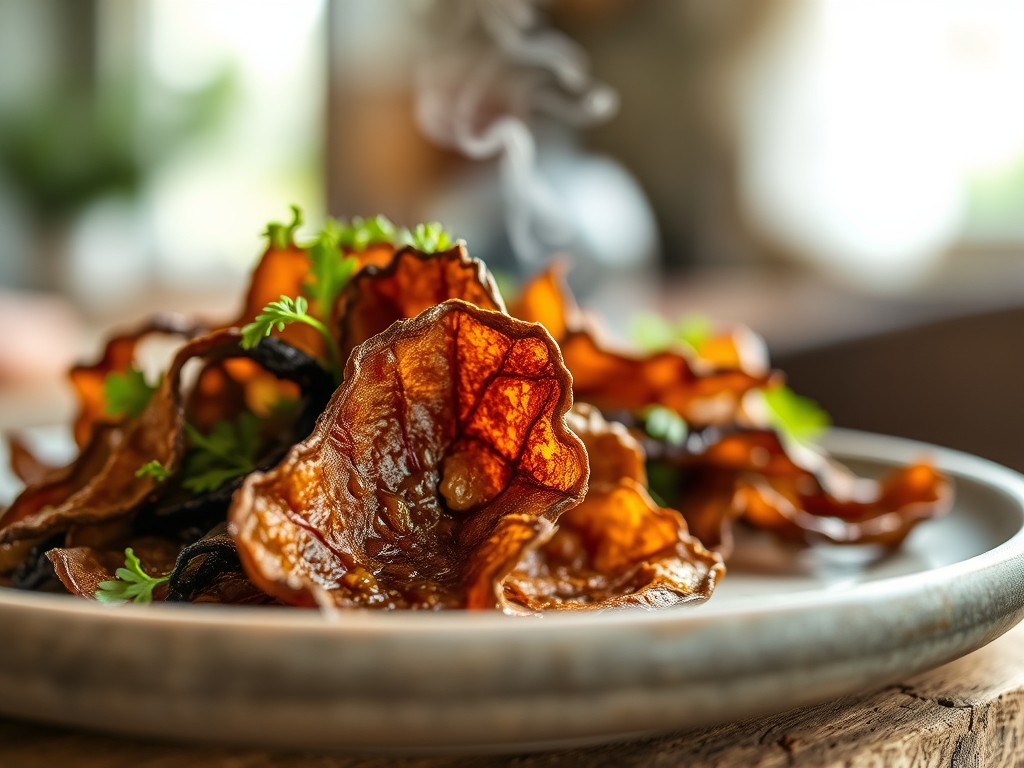
Forget everything you know about traditional cured meats because we are about to re-engineer the ocean's most versatile red algae into a crispy, umami-dense masterpiece. We are diving deep into the infrastructure of Dulse Seaweed Chips; the culinary world's answer to smoky, salty bacon without the porcine baggage. Dulse is not just a snack; it is a structural marvel of fibrous polysaccharides and mineral salts that, when subjected to the correct thermal application, undergoes a transformative crisping process. As an auditor of culinary efficiency, I demand perfection in every frond. We are looking for that specific "sea bacon" profile: a delicate balance of marine saltiness, smoky depth, and a shatter-crisp texture that resonates through the cranium. When you drop these deep-purple leaves into a shimmering pool of oil, you are not just frying; you are executing a precision-engineered dehydration protocol. The goal is a snack so addictive and nutrient-dense that it renders traditional potato chips obsolete. Prepare your station; we are about to optimize your snack game with mathematical precision.
THE DATA MATRIX
| Metric | Specification |
|---|---|
| Prep Time | 5 Minutes |
| Execution Time | 3 Minutes |
| Yield | 4 Servings |
| Complexity (1-10) | 3 |
| Estimated Cost per Serving | $1.25 |
THE GATHERS
Ingredient Protocol:
- 56g / 2 oz Whole Leaf Dried Dulse (ensure leaves are intact)
- 30ml / 2 tbsp Neutral High-Smoke Point Oil (Avocado or Grapeseed)
- 2g / 0.5 tsp Smoked Paprika (for that authentic bacon profile)
- 1g / 0.25 tsp Garlic Powder (to enhance savory depth)
- 0.5g / 0.125 tsp Black Pepper (freshly cracked for piquant notes)
Section A: Ingredient Quality Audit:
The primary failure point in this protocol is the moisture content of the raw dulse. If your seaweed feels limp or leathery before it even hits the pan, the cellular structure has already absorbed atmospheric humidity. To fix this, place the dulse in a dehydrator or a low oven at 65C / 150F for ten minutes to aerate and remove residual water. Furthermore, if your dulse is excessively salty, do not rinse it; water is the enemy of the crisp. Instead, use a dry pastry brush to vigorously remove excess salt crystals from the surface. If using oil with a low smoke point, such as extra virgin olive oil, you risk imparting a bitter, scorched flavor that masks the delicate marine umami. Always audit your fats for thermal stability before beginning the render.
THE MASTERCLASS
1. Leaf Selection and Sizing
Before the heat is applied, you must audit the physical dimensions of your raw material. Use a bench scraper or sharp kitchen shears to divide the large dulse fronds into uniform 3-inch strips. Uniformity is the cornerstone of consistent heat distribution.
Pro Tip: Use a digital scale to ensure each batch is identical in mass. This prevents overcrowding in the pan, which would lead to steaming rather than frying. The science here is surface-to-volume ratio; smaller, flatter pieces dehydrate faster and more evenly.
2. Calibrating the Thermal Environment
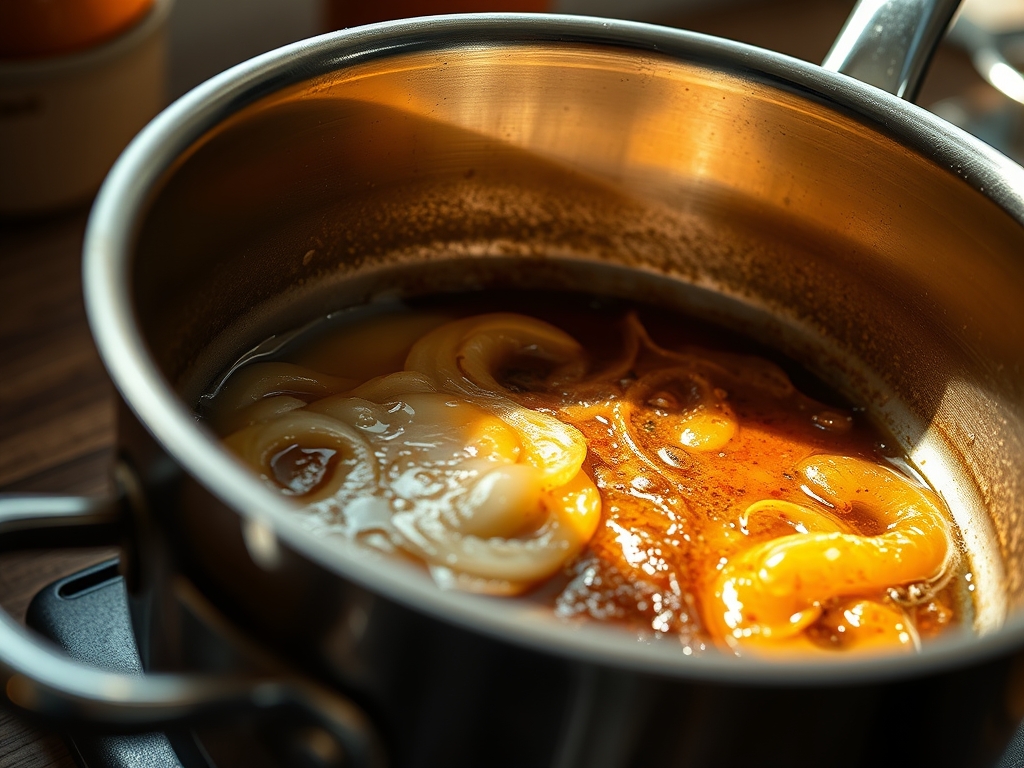
Place a heavy-bottomed saucier or cast-iron skillet over medium-high heat. Add your chosen oil and wait until it reaches a shimmering state, approximately 175C / 350F. You are looking for a light viscous flow across the pan surface.
Pro Tip: Drop a tiny fragment of dulse into the oil. If it sizzles and expands instantly, the kinetic energy is sufficient. This rapid evaporation of surface moisture creates the micro-pockets of air that result in a light, "bacony" crunch.
3. The Flash Fry Execution
Working in small batches, lay the dulse strips into the hot oil. They will change color almost instantly from deep purple to a translucent forest green. This process takes roughly 15 to 30 seconds per side. Use stainless steel tongs to flip them with surgical precision.
Pro Tip: The Maillard reaction is minimal here, but the caramelization of trace sugars in the seaweed occurs rapidly. If the dulse turns brown or black, the volatile oils have oxidized, and the flavor will be ruined. Speed is your primary tool.
4. Infusion and Drainage
Immediately transfer the hot chips to a wire cooling rack set over a sheet pan. While the surface oil is still viscous, dust them lightly with your smoked paprika and garlic powder mixture. This allows the spices to adhere to the molecular surface of the chip.
Pro Tip: Avoid draining on paper towels. Paper towels trap steam against the bottom of the chip, leading to localized rehydration and "soggy bottom" syndrome. A wire rack allows air to circulate, locking in the crystalline structure.
Section B: Prep & Timing Fault-Lines:
The most common human error in this audit is "thermal overshoot." If the oil is too hot, the dulse will incinerate before the moisture is fully expelled. Conversely, if the oil is too cool, the seaweed will absorb the fat, resulting in an oily, heavy texture rather than a crisp one. Use an infrared thermometer to monitor the pan floor. Another fault-line is the "stacking error." If you pile the finished chips while they are still warm, the residual heat will create a micro-climate of steam, destroying the structural integrity of the entire batch. Spread them out; give them space to breathe.
THE VISUAL SPECTRUM
Section C: Thermal & Visual Troubleshooting:
Referencing the Masterclass photo above, observe the vibrant, semi-translucent green hue. This indicates a perfect fry. If your chips appear opaque and dark, you have overcooked them; reduce your fry time by five seconds. If the edges are curled excessively, your heat was too high, causing the fibers to contract too violently. A perfect Dulse Seaweed Chip should be relatively flat with a slight "blistering" on the surface, similar to the texture of fried pork skin. If you notice white spotting, this is likely un-dissolved salt or mineral deposits; ensure your dry-brushing phase is more thorough next time. The goal is a glass-like sheen that shatters upon impact.
THE DEEP DIVE
Macro Nutrition Profile:
Dulse is a nutritional powerhouse. A single serving provides approximately 40 calories, 2g of protein, 0g of fat (excluding frying oil), and 4g of fiber. It is exceptionally high in Iodine, Potassium, and Vitamin B12, making it a critical asset for plant-based metabolic support.
Dietary Swaps:
- Vegan/Keto/GF: This recipe is inherently compliant with all three. To further optimize for Keto, use MCT oil for the fry.
- Flavor Profiles: To infuse a different vibe, swap paprika for nutritional yeast (cheesy) or wasabi powder (sharp/nasal).
Meal Prep & Reheating Science:
To maintain molecular structure, store finished chips in an airtight glass container with a desiccant packet. Do not refrigerate; the humidity will compromise the crispness. If they lose their snap, a quick 60-second "flash" in a 180C / 350F air fryer will re-dehydrate the fibers and restore the original texture.
THE KITCHEN TABLE
Why is my dulse bitter?
Bitterness usually indicates overcooking or using an oil that has gone rancid. Dulse contains delicate pigments that turn acrid if scorched. Keep your fry time under thirty seconds and ensure your oil is fresh and high-quality.
Can I bake these instead of frying?
Yes, but the texture will be more "leathery" than "crispy." To bake, toss in oil and spread on a parchment-lined sheet at 190C / 375F for 5-7 minutes. It lacks the immediate "shatter" of the pan-fried method.
Do I need to wash the seaweed first?
Absolutely not. Introducing water to dried dulse triggers a rehydration cycle that makes achieving a crisp texture nearly impossible in a pan-fry scenario. Use a dry cloth or brush to remove any visible sand or excess salt.
How long do these stay crispy?
In a low-humidity environment and an airtight container, they will remain structurally sound for 3 to 5 days. However, for peak sensory impact, consumption within 24 hours of the "thermal event" is highly recommended by this auditor.