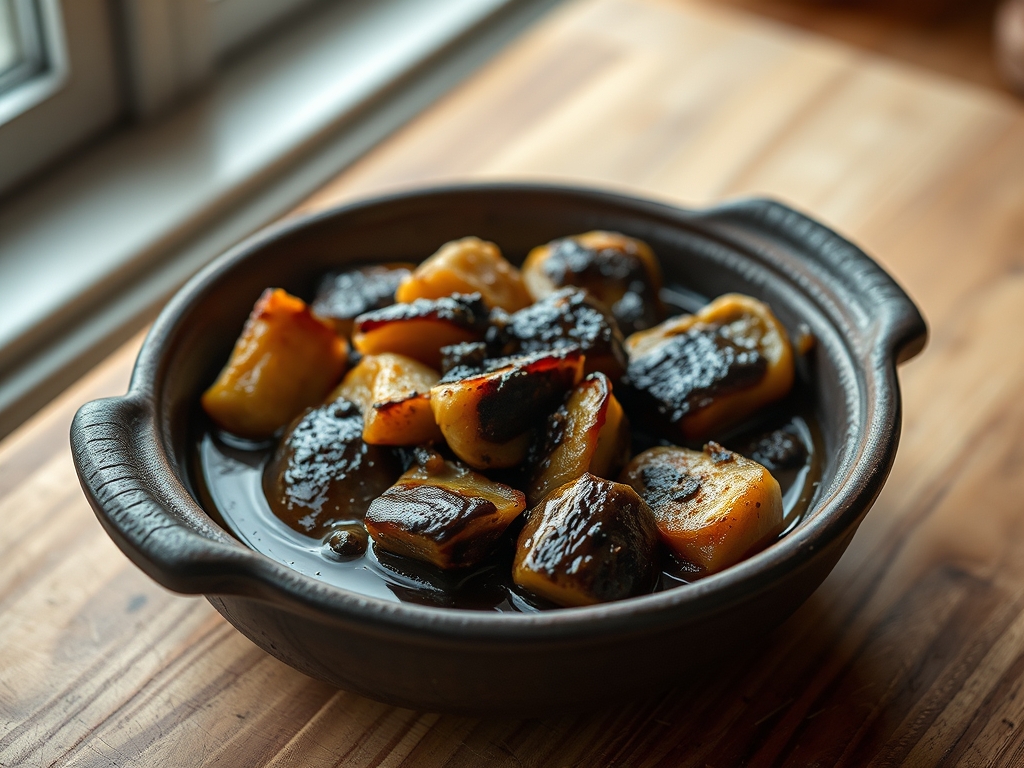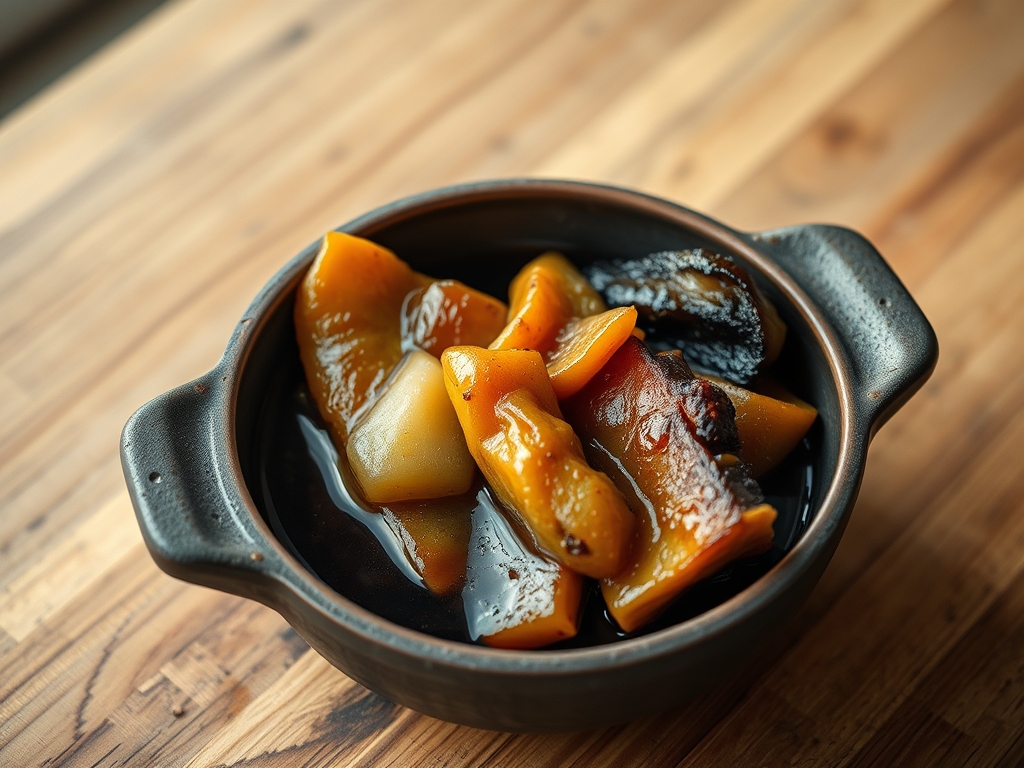
Stop treating your produce like a side dish and start treating it like a structural engineering project. We are not just making a dip; we are executing a high-stakes extraction of moisture and flavor from the nightshade family. The goal is a definitive Charred Eggplant Purée that defies the soggy, lackluster versions found in mediocre delis. We want smoke. We want depth. We want a texture so silky it borders on the scandalous. To achieve this, we must subject the eggplant to a thermal assault that triggers the Maillard reaction while simultaneously collapsing the internal cellular matrix. When the skin blisters into carbonized flakes, the flesh transforms into a concentrated essence of umami. This is about managing the transition from a rigid vegetable to a viscous, piquant masterpiece. If you are looking for a gentle roast, look elsewhere. We are here to incinerate the exterior to save the soul of the interior. Strap in; your kitchen is about to become a laboratory of smoke and silk.
THE DATA MATRIX
| Metric | Specification |
|---|---|
| Prep Time | 15 Minutes |
| Execution Time | 45 Minutes |
| Yield | 500ml (Approx. 2 Cups) |
| Complexity (1-10) | 4 |
| Estimated Cost per Serving | $0.85 USD |
THE GATHERS
Ingredient Protocol:
- 2 Large Globe Eggplants (approx. 1kg / 2.2 lbs)
- 60ml / 1/4 cup Premium Tahini (Look for high oil separation)
- 45ml / 3 tbsp Fresh Lemon Juice
- 3 Large Garlic Cloves (grated into a paste)
- 5g / 1 tsp Smoked Paprika
- 10g / 2 tsp Sea Salt (Adjust to taste)
- 60ml / 1/4 cup Extra Virgin Olive Oil (Cold-pressed)
- 5g / 1 tbsp Fresh Parsley (Finely minced for garnish)
Section A: Ingredient Quality Audit:
If your eggplant feels light and spongy, it is likely over-mature with a high seed count. This leads to a bitter profile. To fix this, slice the fruit and salt it heavily for twenty minutes to draw out the bitter alkaloids through osmotic pressure; then pat dry before charring. If your tahini is a solid, chalky mass at the bottom of the jar, do not use it as-is. Emulsify it in a small bowl with a teaspoon of warm water and a whisk until it regains a creamy, pourable consistency. Using substandard, oxidized olive oil will ruin the finish; always taste your oil first. If it tastes like cardboard, discard it and use a fresh bottle to ensure the final purée has a bright, grassy finish.
THE MASTERCLASS
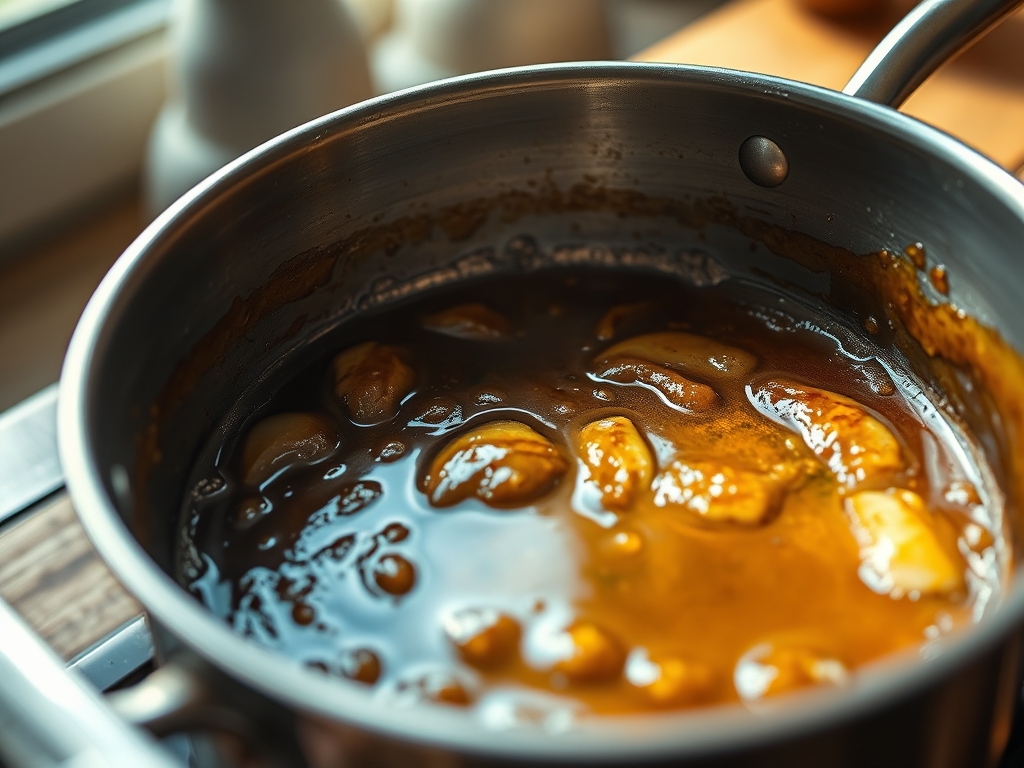
Step 1: The Thermal Assault
Place your eggplants directly over an open gas flame or under a high-intensity broiler. Use metal tongs to rotate the vegetables every five minutes until the skin is completely blackened and the structure collapses.
Pro Tip: This stage is about pyrolysis. The carbonization of the skin imparts a chemically complex smokiness that cannot be replicated by liquid smoke. Use a digital scale to ensure your eggplants are of similar weight for even cooking times across the batch.
Step 2: The Steam Chamber
Immediately transfer the charred eggplants into a stainless steel bowl and cover tightly with plastic wrap or a heavy lid. Let them rest for ten minutes.
Pro Tip: This creates a steam-rich micro-environment that loosens the bond between the charred skin and the internal flesh. A bench scraper is excellent here for cleaning your workstation of the inevitable carbon flakes that will scatter during the transfer.
Step 3: Moisture Extraction and Deseeding
Slit the eggplants lengthwise and scoop the flesh into a fine-mesh strainer set over a saucier or bowl. Let the excess bitter liquid drain for at least fifteen minutes.
Pro Tip: Removing this liquid prevents a "weeping" purée. We want to render the eggplant down to its most concentrated flavor. Use the back of a spoon to gently press the flesh, accelerating the drainage without pulverizing the fibers too early.
Step 4: The Emulsification Phase
In a large mixing bowl, combine the eggplant flesh, tahini, garlic paste, and lemon juice. Use a stiff whisk or a fork to vigorously beat the mixture until the tahini and olive oil aerate and incorporate into the eggplant.
Pro Tip: Avoid using a high-speed blender if you want a traditional texture. A hand-mixed approach preserves small pockets of eggplant fiber, providing a superior mouthfeel. If you require a perfectly smooth finish, a food processor on low pulse is the professional choice.
Step 5: The Final Seasoning Audit
Fold in the sea salt and smoked paprika. Taste and adjust acidity with extra lemon juice if the tahini feels too heavy on the palate.
Pro Tip: Salt does more than season; it unlocks the aromatic compounds of the garlic and lemon. Use your digital scale to track your salt input if you are scaling this recipe for a large event to ensure consistency.
Section B: Prep & Timing Fault-Lines:
The most common failure is pulling the eggplant off the heat too early. If the neck of the eggplant is still firm, the interior will be stringy rather than creamy. Ensure the entire fruit is "slumped." Temperature control is also vital; if you mix the tahini into eggplant that is still steaming hot, the tahini may break and become oily. Wait until the flesh is warm to the touch, not scalding. If your garlic is too pungent, "mellow" it by letting the minced cloves sit in the lemon juice for five minutes before adding the other ingredients. This acid-bath denatures the enzyme alliinase, reducing the harsh "bite."
THE VISUAL SPECTRUM
Section C: Thermal & Visual Troubleshooting:
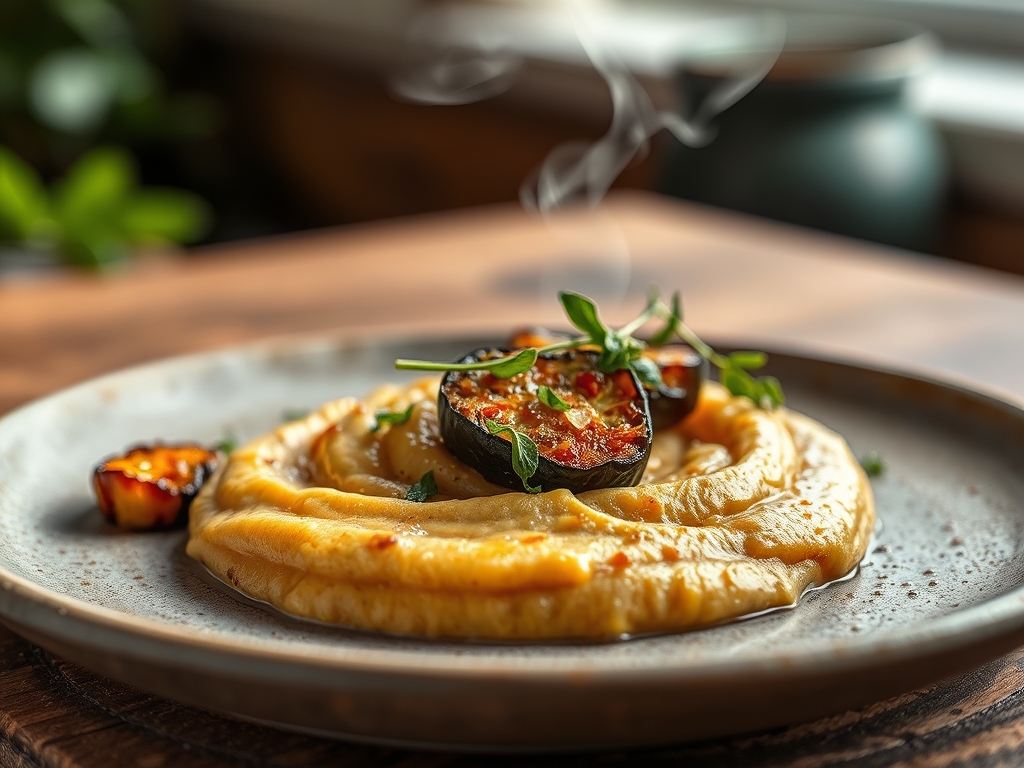
Referencing the Masterclass photo, your Charred Eggplant Purée should exhibit a pale, creamy tan hue with visible flecks of carbonized skin. If your purée looks grey or muddy, you likely over-processed the charred skin into the mix; be more selective when peeling. If the texture looks "broken" or oily, your emulsion has failed. To fix this, whisk in a tablespoon of warm water to re-bind the fats. A dull appearance usually indicates a lack of acid or finishing oil. A final drizzle of high-quality olive oil will provide that glossy, reflective surface seen in professional food photography, signaling a high fat-to-fiber ratio that promises a luxurious mouthfeel.
THE DEEP DIVE
Macro Nutrition Profile:
Per 100g serving, this purée is a powerhouse of healthy fats and fiber. You are looking at approximately 120 calories, 9g of fat (mostly monounsaturated from tahini and olive oil), 8g of carbohydrates, and 4g of fiber. It is a low-glycemic index option that provides sustained energy without insulin spikes.
Dietary Swaps:
- Vegan: Naturally compliant.
- Keto: This is a keto superstar. To further lower carbs, reduce the amount of garlic and ensure your tahini has no added sugars.
- GF: Naturally gluten-free. Ensure your tahini is processed in a certified facility if sensitivity is high.
Meal Prep & Reheating Science:
The molecular structure of this purée holds up well for 3 to 5 days in the refrigerator. Do not freeze it; the ice crystals will rupture the delicate emulsion, resulting in a grainy, watery mess upon thawing. When reheating, do so gently on the stovetop or bring to room temperature naturally. If the mixture has tightened too much in the cold, whisk in a splash of warm water to infuse moisture back into the tahini matrix.
THE KITCHEN TABLE
Why is my purée bitter?
Bitterness usually stems from undercooked eggplant or using old, oxidized tahini. Ensure the eggplant is completely soft and always taste your tahini before adding it. If it is already bitter, add a pinch of sugar or extra lemon.
Can I use a blender?
You can, but proceed with caution. High-speed blending can turn the eggplant starch into a gummy, glue-like consistency. Use short pulses to maintain some structural integrity, or stick to a whisk for the best artisanal texture.
How do I get more smoke flavor?
If the gas flame isn't enough, you can infuse the oil with a tiny drop of high-quality liquid smoke or, better yet, add a piece of glowing charcoal to the bowl of eggplant for two minutes before mixing.
Why did my purée turn dark?
Oxidation is the culprit. Eggplant flesh browns quickly when exposed to air. To prevent this, move quickly and incorporate the lemon juice (an antioxidant) as soon as the eggplant is peeled and drained.
What is the best eggplant variety?
Globe eggplants are standard, but Italian or Graffiti eggplants offer a sweeter flesh and thinner skin. Avoid Thai or Japanese varieties for this specific purée, as they lack the necessary bulk and moisture content.